Community Dining Zurich: Food Collectives Redefining Hospitality
Zurich's shared dining movement transforms how the city eats. Discover cooperative restaurants and communal spaces reshaping local food culture around connection.
Zurich's shared dining movement transforms how the city eats. Discover cooperative restaurants and communal spaces reshaping local food culture around connection.
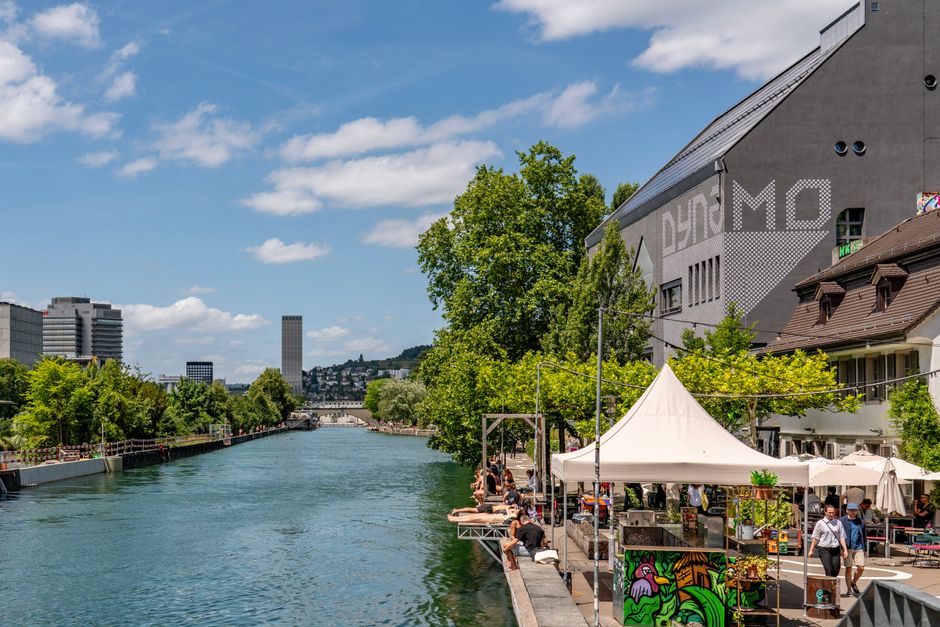
Walk into Kraftfeld on Gerbergasse on any Thursday evening and you'll find long wooden tables filled with strangers who've become regulars, sharing family-style meals prepared by rotating community members. This isn't fine dining—it's a deliberate rejection of it. The space epitomizes a quiet but unmistakable movement reshaping Zurich's restaurant culture: a turn toward collective dining experiences driven by younger residents who view eating as an act of community building, not mere transaction.
This shift reflects something deeper than culinary fashion. According to a 2025 survey by the Zurich Chamber of Commerce, 68% of diners under 35 now prioritize venues emphasizing local sourcing and shared spaces over traditional restaurant hierarchies. The numbers tell a story: while Michelin-starred establishments have remained stable, cooperative dining venues and neighbourhood kitchen collectives have grown by nearly 40% since 2023, predominantly in Wiedikon, Aussersihl, and along the Limmatquai.
The movement's DNA traces to organizations like Tischlein, a non-profit that coordinates community-led suppers across the city, and the emergence of kitchen-share platforms enabling neighbours to cook together. On Kanzleistrasse in Kreis 4, Sihlfeld Kitchen operates as a membership-based commons where residents rent preparation space and organize collective meals, generating revenue while fostering social bonds fractured by decades of atomized urban living.
What distinguishes this from nostalgic localism is its explicitly social infrastructure focus. These aren't Instagram-friendly gastropubs; they're functional spaces designed around conversation and equity. Prices typically range from 15–25 francs per person—dramatically undercutting conventional restaurants—making fine dining accessible beyond Zurich's wealthiest neighbourhoods.
Established restaurateurs have noticed. Several traditionally upscale venues, including a notable cluster near Bellevue, have adapted by introducing communal seating sections and prix-fixe collective menus. The Zurich Gastro Association acknowledged this trend at their spring conference, recognizing that isolation—both social and economic—has become the city's defining dining problem.
Yet tensions persist. Real estate pressures continue displacing grassroots spaces; last year saw three community kitchens relocate due to rising rents. Still, the movement persists, driven by a generation that inherited economic precarity and responded by inventing their own social infrastructure. In a city historically defined by individual prosperity, Zurich's newest dining revolution centers something older: the radical notion that eating together matters more than eating well alone.
This article was compiled by AI and screened before publishing. See our editorial standards.
How does this story make you feel?
Spread the word
About this article
Published by The Daily Zurich
Daily brief
Free, in your inbox before 7am. Weekdays.
More in culture