Contemporary Art Galleries Zurich: A Creative Renaissance
Zurich's art scene is transforming. Discover how the Kunsthaus expansion and Wiedikon's emerging galleries are reshaping Swiss contemporary art.
Zurich's art scene is transforming. Discover how the Kunsthaus expansion and Wiedikon's emerging galleries are reshaping Swiss contemporary art.
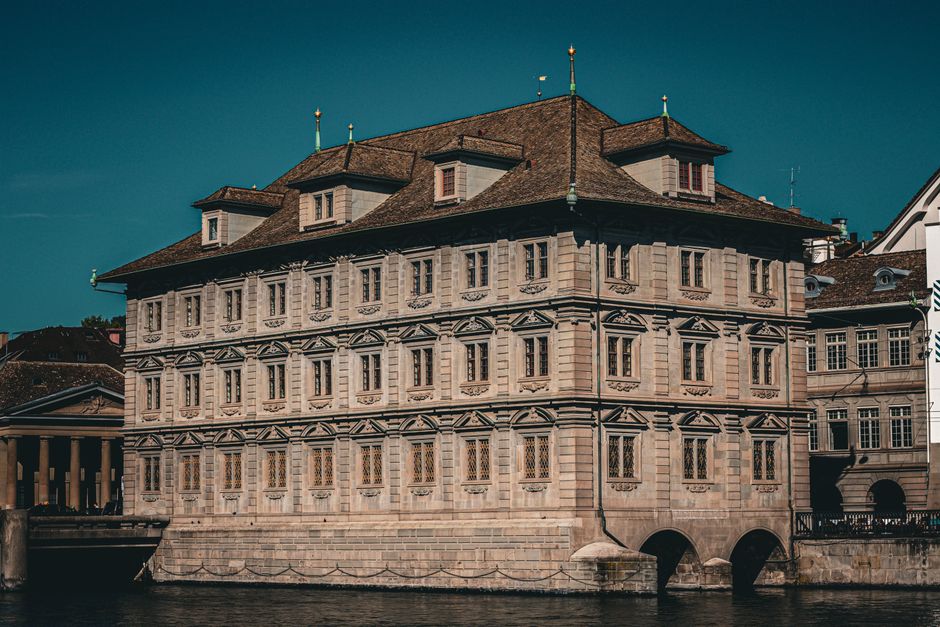
Zurich's creative identity has long been defined by precision and pragmatism—the hallmarks of a global financial centre. Yet over the past five years, a quieter revolution has unfolded across the city's gallery and museum landscape, one that challenges this conventional image and asserts Zurich as a serious player in contemporary art discourse.
The transformation is visible in numbers first. The Kunsthaus Zurich's 2024 expansion added 3,000 square metres of exhibition space, while attendance figures climbed to 550,000 annual visitors—a 40 percent increase since 2019. But numbers alone don't capture the shift. What's changed is the kind of work being shown and celebrated. The Kunsthaus now dedicates substantial programming to contemporary Swiss and international artists whose work engages explicitly with migration, climate anxiety, and post-pandemic social fragmentation—themes that resonate far beyond the traditional art-world circuit.
The real spark, however, ignites in neighbourhoods like Wiedikon and along Rämistrasse, where independent galleries have proliferated. Spaces like Meyer Kainer, known for championing emerging voices in digital and performative art, sit alongside smaller initiatives operating from converted warehouses and artist-run collectives. These venues are deliberately small—many holding only 200 visitors comfortably—and deliberately scrappy. Their aesthetic rejects the sterile minimalism associated with old-money Zurich.
This decentralisation matters culturally. The Museum Haus Konstruktiv and the relatively new programming at Shedhalle (the city's experimental performance space) have created a circuit where work circulates and cross-pollinates. A video installation at one venue sparks a discussion series at another. Artists based in Zurich increasingly stay here to develop their practices, rather than migrating to Berlin or Vienna—a reversal of the brain drain that plagued Swiss cultural institutions a decade ago.
Zurich's galleries also function as political and philosophical spaces in ways that reflect global anxieties. Recent exhibitions have grappled with Switzerland's relationship to neutrality, its banking legacy, and its immigration policies—conversations once taboo in institutional contexts. Museum entry fees (typically 18–25 CHF) remain accessible, and free hours on select evenings have become social anchor points.
What's emerging is a Zurich creative identity distinct from financial power: one grounded in critical inquiry, experimental risk-taking, and the belief that art institutions can be laboratories for thinking through contemporary crises. The galleries and museums aren't accessories to the city's wealth anymore. They're becoming central to how Zurich understands itself.
This article was compiled by AI and screened before publishing. See our editorial standards.
How does this story make you feel?
Spread the word
About this article
Published by The Daily Zurich
Daily brief
Free, in your inbox before 7am. Weekdays.
More in culture