Experimental Restaurants in Zurich Redefining Local Food Culture
Discover how underground supper clubs in Wiedikon and innovative dining spaces across Zurich are reshaping the city's creative identity through immersive culinary experiences.
Discover how underground supper clubs in Wiedikon and innovative dining spaces across Zurich are reshaping the city's creative identity through immersive culinary experiences.
Walk through Zurich's restaurant quarter on any given evening, and you'll witness something that would have seemed improbable a decade ago: the city's culinary landscape has become its most vital creative space. Not in the rarefied realm of Michelin stars—though three establishments maintain that distinction—but in the grassroots movements that are reshaping how Zurich thinks about itself.
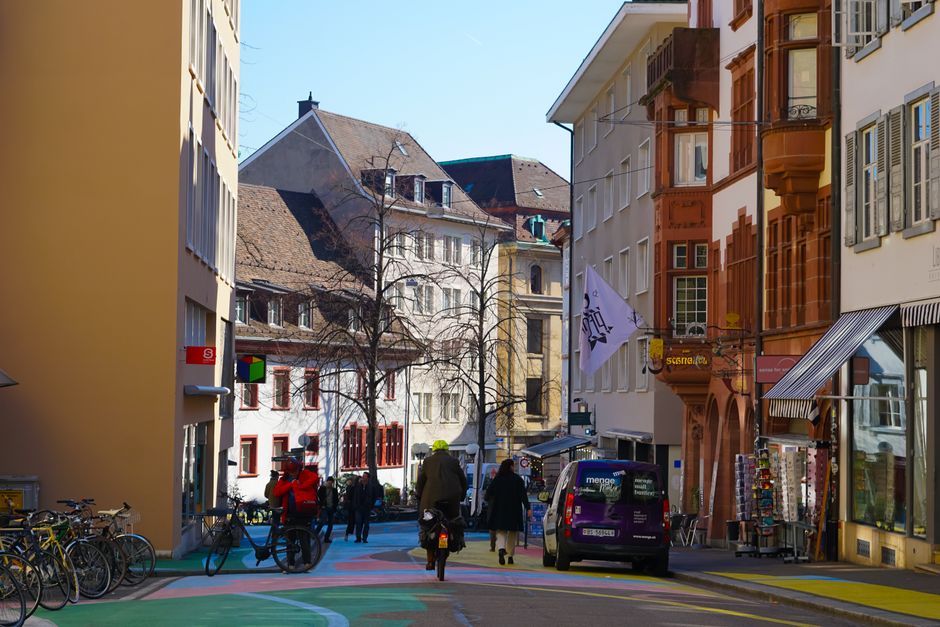
The transformation is most visible in traditionally working-class neighbourhoods. Wiedikon, long dismissed as peripheral, has emerged as ground zero for experimental dining. Underground supper clubs operate in converted industrial spaces along Badenerstrasse, where young chefs partner with visual artists and musicians to create immersive experiences that dissolve the boundary between meal and installation. Similarly, Aussersihl's Langstrasse corridor now hosts a thriving ecosystem of casual eateries—Vietnamese pho vendors, natural wine bars, family-run Turkish kitchens—that reflect both the neighbourhood's multicultural reality and a deliberate rejection of sterile gastronomy.
This isn't merely nostalgia for authenticity. It represents a fundamental shift in how creative professionals see themselves within the city. According to a 2025 survey by the Zurich Creative Industries Forum, nearly 40 percent of working artists and designers cite dining culture—both as participants and occasional collaborators—as essential to their practice. The intersection of food, design, and community has become as important as traditional gallery spaces.
The economics tell a story too. While fine dining establishments spend CHF 250–400 per person, the thriving mid-range sector—typified by venues on Limmatquai and around Helvetiaplatz—operates at CHF 35–80, making creative community-building sustainable for those without inherited wealth. Pop-up collectives have pioneered a model where restaurant spaces operate by day for locals, transforming into performance venues by night.
What distinguishes Zurich's current moment is the explicit linking of food culture to civic identity. The city's recent push toward supporting independent hospitality—including tax incentives for neighbourhood establishments—reflects recognition that restaurants are no longer peripheral to cultural life. They're central to it. Zurich's international reputation for precision and efficiency once overshadowed its creative potential. Now, the messy, convivial reality of shared tables and experimental menus offers something the financial sector never could: a public space where identity is negotiated, not prescribed.
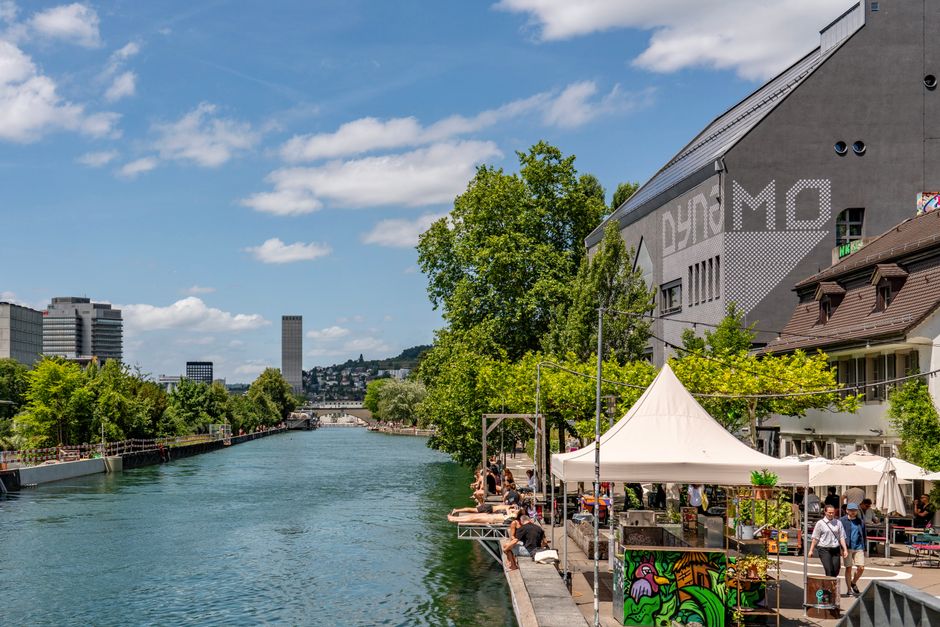
As the summer season accelerates, watch the terraces along the Limmat and in Kreis 4 neighbourhoods. You're not just observing dining culture. You're witnessing Zurich's quiet redefinition of itself.
This article was compiled by AI from the sources linked above and screened before publishing. See our editorial standards.
How does this story make you feel?
Spread the word
About this article
Published by The Daily Zurich
Daily brief
Free, in your inbox before 7am. Weekdays.
More in culture