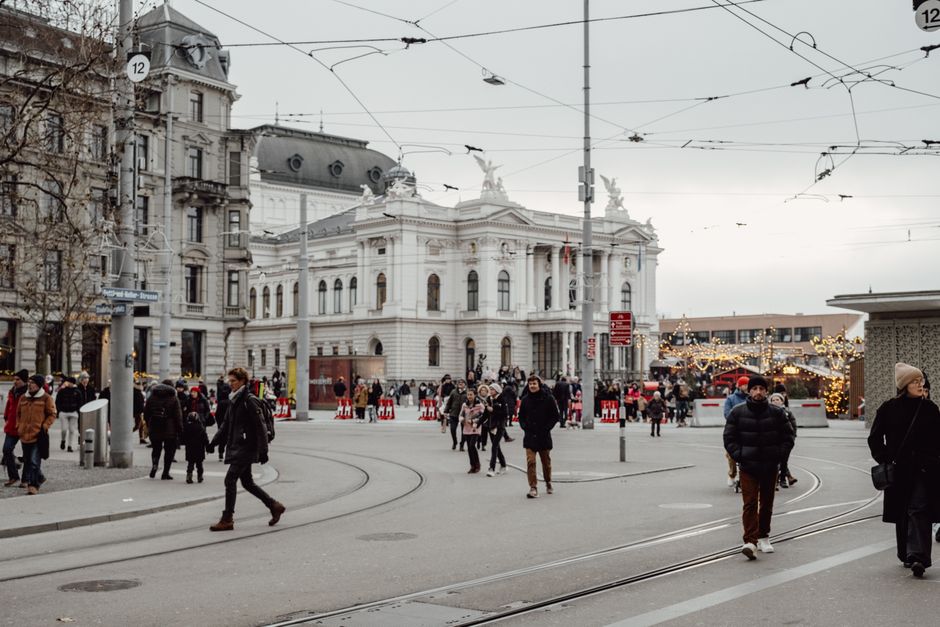
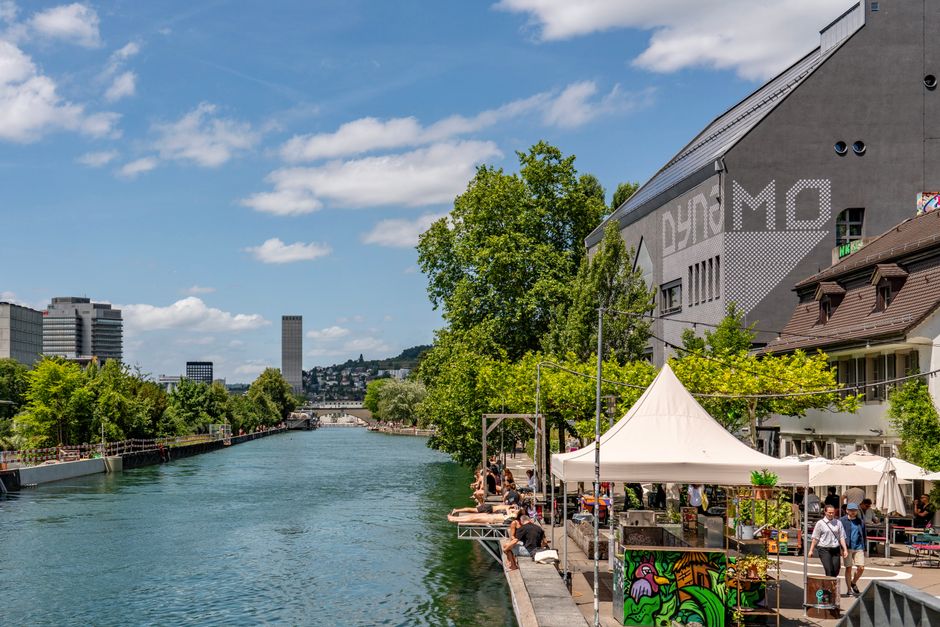
Walk through Zurich's streets in late June, and you'll notice something shifting. The corporate veneer that long defined this city of 400,000—the banks on Bahnhofstrasse, the precision watches, the wealth—is being temporarily replaced by something messier, louder, more alive. Festival banners hang from Europaplatz to the Kunsthaus, and the city's creative class is claiming territory.
This summer is proving to be a watershed moment for how Zurich sees itself culturally. The Zurich Theatre Spectacle, running through August across multiple venues in the industrial Aussersihl district, has already drawn over 8,000 attendees to experimental productions that would have seemed unmarketable a decade ago. Meanwhile, the Lake Zurich Festival—featuring electronic and indie acts at Mythenquai—is attracting 30,000+ daily visitors during peak weekends, transforming the waterfront into something closer to Berlin's Spree Valley than the orderly Swiss lakeshore of postcards.
What's remarkable isn't the festivals themselves, but what they signal about Zurich's evolving self-image. For generations, this city positioned itself as a place of wealth management and cultural refinement—world-class museums, yes, but within a framework of quiet sophistication. Today's festival calendar suggests something different: Zurich is actively courting risk, experimentation, and the kind of creative messiness that comes with genuine cultural vitality.
The numbers back this shift. The City of Zurich's culture budget has increased 23% since 2020, with festivals receiving a disproportionate share. Venues like the Rohstofflager in Wiedikon and the Rote Fabrik in Wollishofen—once squatter spaces, now semi-institutionalized cultural hubs—are hosting 40+ events weekly through August. Ticket prices remain deliberately low (CHF 15-35 for most events), a calculated move to position these festivals as democratic rather than exclusive.
Perhaps most tellingly, the narrative around these festivals has changed. Marketing materials no longer emphasize Zurich as a destination city where visitors come to consume culture. Instead, they frame festivals as something Zurich *does*—an expression of how the city actually functions. The annual Zurich Showcase, which begins July 10th, explicitly positions local artists and emerging creatives alongside international acts, a deliberate inversion of past hierarchies.
This doesn't mean Zurich is abandoning its identity overnight. The banking sector remains dominant, and many residents still prefer quiet efficiency to creative chaos. But the festival calendar is creating space for a competing narrative—one where artistic risk-taking, experimental collaboration, and cultural cross-pollination matter as much as financial returns. In a city historically defined by what it controls, the summer festivals are defining it increasingly by what it creates.
This article was compiled by AI from the sources linked above and screened before publishing. See our editorial standards.