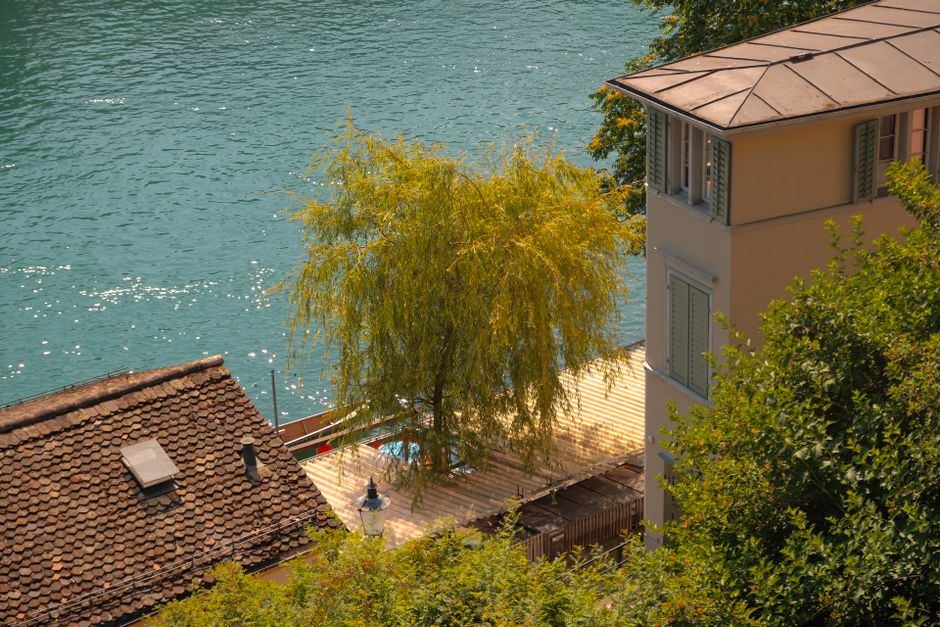
Walk along the Limmat these days and you'll notice something that would have seemed unthinkable five years ago: the riverbanks are thriving. The recent completion of the Limmatpromenade project, which wrapped up early this year, has created nearly 2.5 kilometres of contiguous waterfront access with improved cycling paths, expanded seating areas, and native plantings that have transformed what was once fragmented public space into a genuinely walkable destination.
"People are spending more time outdoors simply because the infrastructure finally supports it," says the Zurich City Parks department, noting that visitor numbers to the Limmat zones have increased by roughly 40 percent since the promenade's opening. The shift reflects a broader pattern across the city's neighbourhoods.
In Wiedikon and Aussersihl, two traditionally overlooked western districts, the expansion of community gardens and pocket parks has been particularly transformative. The newly renovated Areal Hunold—a once-industrial space near Wördestrasse—now features permanent market stalls, children's play areas, and shaded rest zones. Weekend afternoons see hundreds of residents, many young families, taking advantage of what is effectively a new neighbourhood gathering point that barely existed two years ago.
The Zürichberg district has also seen significant investment. The refurbishment of paths and viewpoints in this elevated area, completed last autumn, has made the forest more accessible while protecting sensitive ecosystems. New information panels and improved lighting mean residents—particularly older adults—feel safer accessing these spaces year-round.
What's driving this shift? City officials have channelled increased funding into green infrastructure as part of a broader sustainability agenda, allocating roughly 85 million francs over a five-year cycle for park development. But equally important is a cultural change. The pandemic fundamentally altered how Zurichers think about public space, and that appetite for outdoor living hasn't faded.
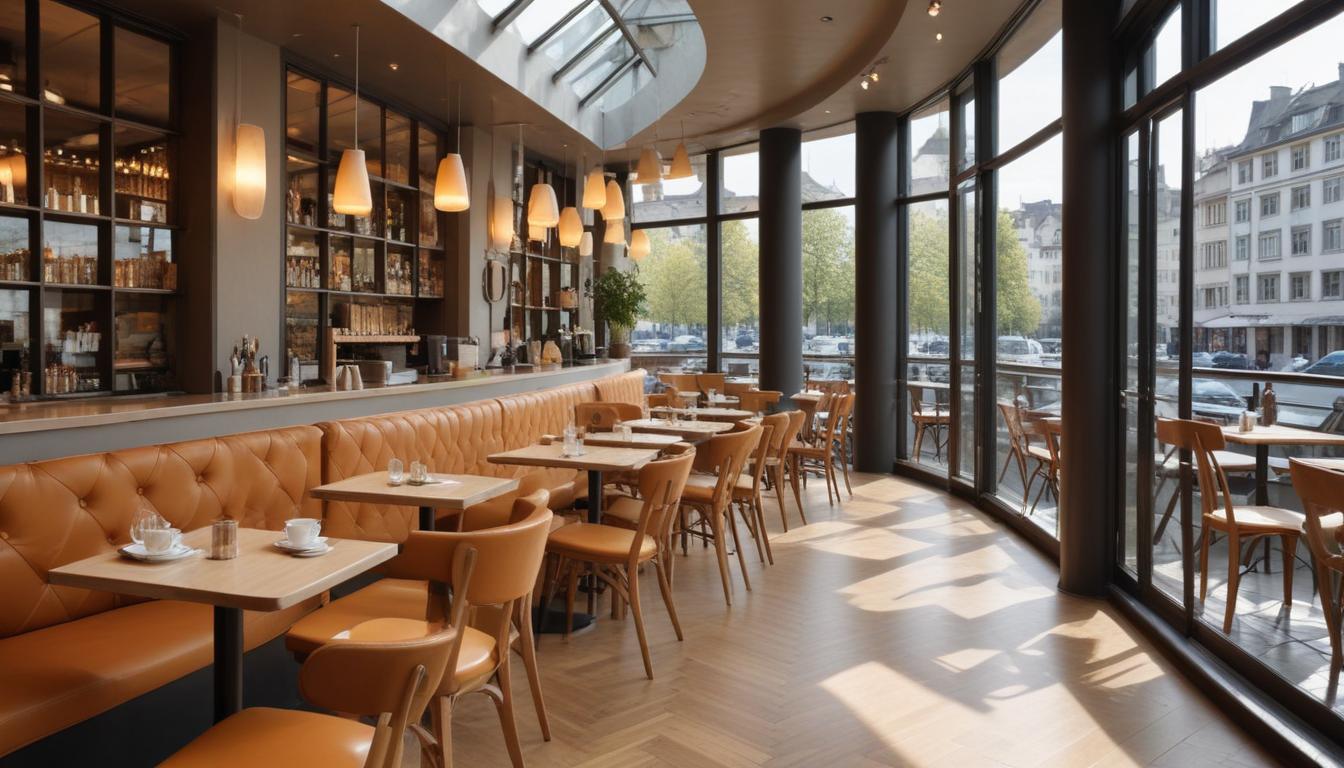
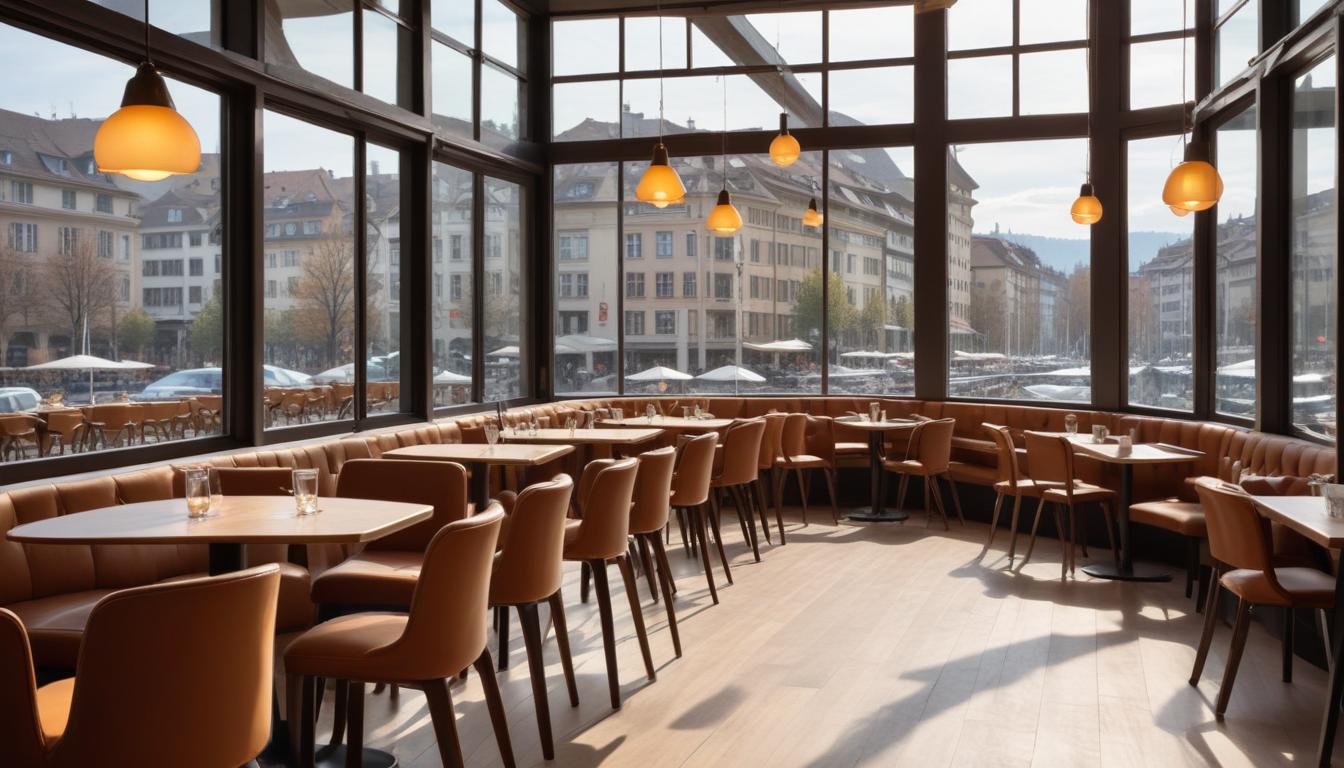
Local café culture has evolved to match. Establishments around the Europaplatz and along Seefeldstrasse have expanded outdoor seating substantially, with many now operating spring through autumn rather than reluctantly closing down in colder months. Rental costs for outdoor tables remain competitive—typically 400–600 francs monthly for premium waterfront locations—making year-round outdoor hospitality economically viable.
"It's a virtuous cycle," observes one frequent visitor to the renovated spaces. More investment attracts more users, which encourages local businesses to engage, which in turn draws municipal support for further improvements. For a city sometimes stereotyped as grey and corporate, Zurich's green spaces have become genuinely liveable—and locals are finally noticing.
This article was compiled by AI from the sources linked above and screened before publishing. See our editorial standards.