Green Spaces, Human Stories: The Faces Behind Zurich's Outdoor Renaissance
From community gardens in Wiedikon to lakeside fitness collectives, Zurich's parks are thriving ecosystems shaped by the people who tend them.
From community gardens in Wiedikon to lakeside fitness collectives, Zurich's parks are thriving ecosystems shaped by the people who tend them.
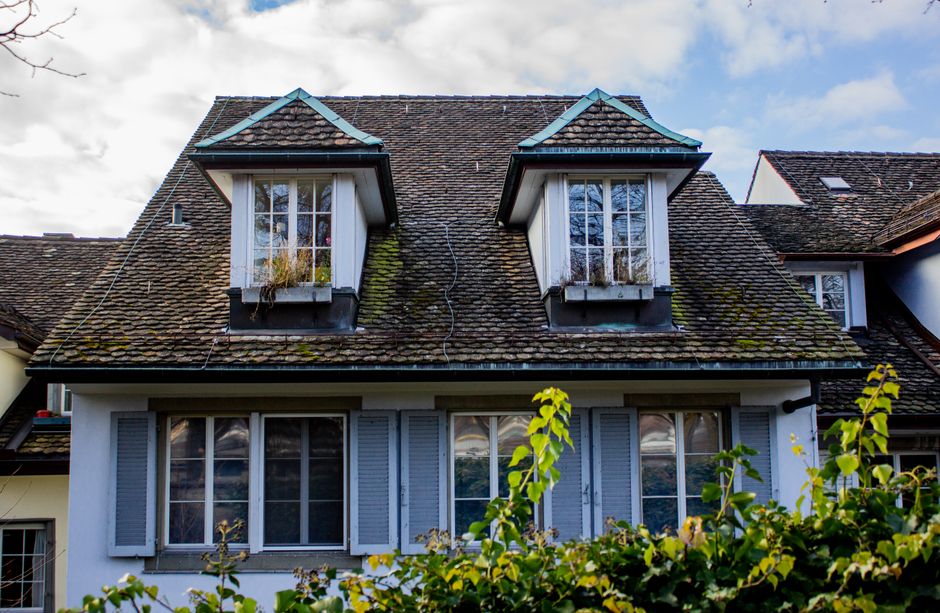
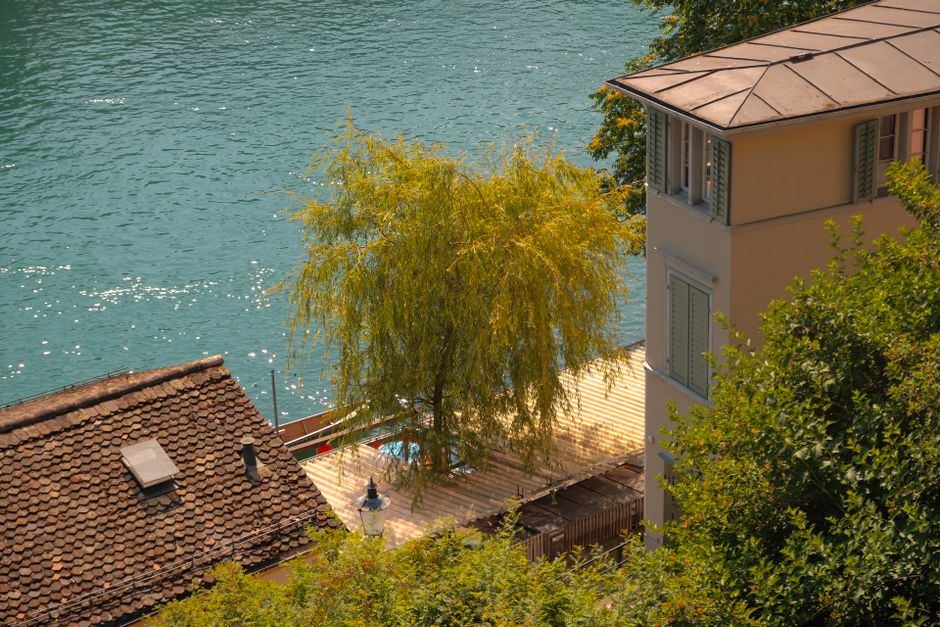
On a warm June afternoon along the Limmat's eastern banks, Zurich reveals itself not through its banking towers but through its green spaces—and more importantly, through the individuals who have transformed these places into genuine community anchors.
The transformation is visible everywhere. Walk through Platzspitz, where the park's 2.3 hectares once symbolised urban decline, and you'll encounter fitness enthusiasts, families unpacking picnics, and elderly residents claiming their favourite benches with the ease of long ownership. The park's revival reflects a broader shift: according to Zurich's parks department, green space usage has increased by 34% since 2020, with investment in neighbourhood parks rising proportionally.
In Wiedikon, the neighbourhood's collective gardens have become informal community hubs. These aren't polished botanical gardens but living laboratories where locals experiment with urban agriculture. What makes them special isn't the produce—though organic tomatoes and courgettes flourish—but the intergenerational relationships that bloom alongside them. Residents learn from one another, share seeds, and occasionally argue passionately about composting methods.
Further west, around Uetliberg, the city's most-visited natural space sees approximately 800,000 annual visitors. Yet the story here belongs equally to the maintenance volunteers, the trail wardens, and the regular hikers who've developed intimate knowledge of seasonal shifts. These are people for whom the forest represents something deeper than recreation.
The lakefront parks tell similar stories. Along Mythenquai and around the Zurichhorn, joggers, paddleboarders, and swimming enthusiasts have created informal networks. Local swimming clubs report membership surges, with costs ranging from 60 to 150 francs annually for casual participation. These aren't exclusive enclaves but accessible gathering points where lawyers swim alongside students.
What distinguishes Zurich's outdoor culture isn't merely infrastructure—though the city does maintain 1,200 hectares of green space across its municipality. Rather, it's the human dimension. The retired schoolteacher who leads weekly tai chi sessions near Bellevue Park. The community gardeners who've successfully advocated for expanded allotments in Schwamendingen. The local runners who've informally mapped the quietest routes away from crowds.
These individuals rarely make headlines. Yet they represent the genuine pulse of urban life—the quiet custodians of neighbourhood character, the connectors who transform designated green spaces into genuine places. Zurich's parks succeed because people like these have claimed them as their own, investing time, knowledge, and care.
In a city often defined by efficiency and wealth, perhaps the most valuable resource remains the one least easily measured: a community engaged enough to tend its shared spaces.
This article was compiled by AI from the sources linked above and screened before publishing. See our editorial standards.
How does this story make you feel?
Spread the word
About this article
Published by The Daily Zurich
Daily brief
Free, in your inbox before 7am. Weekdays.
More in lifestyle