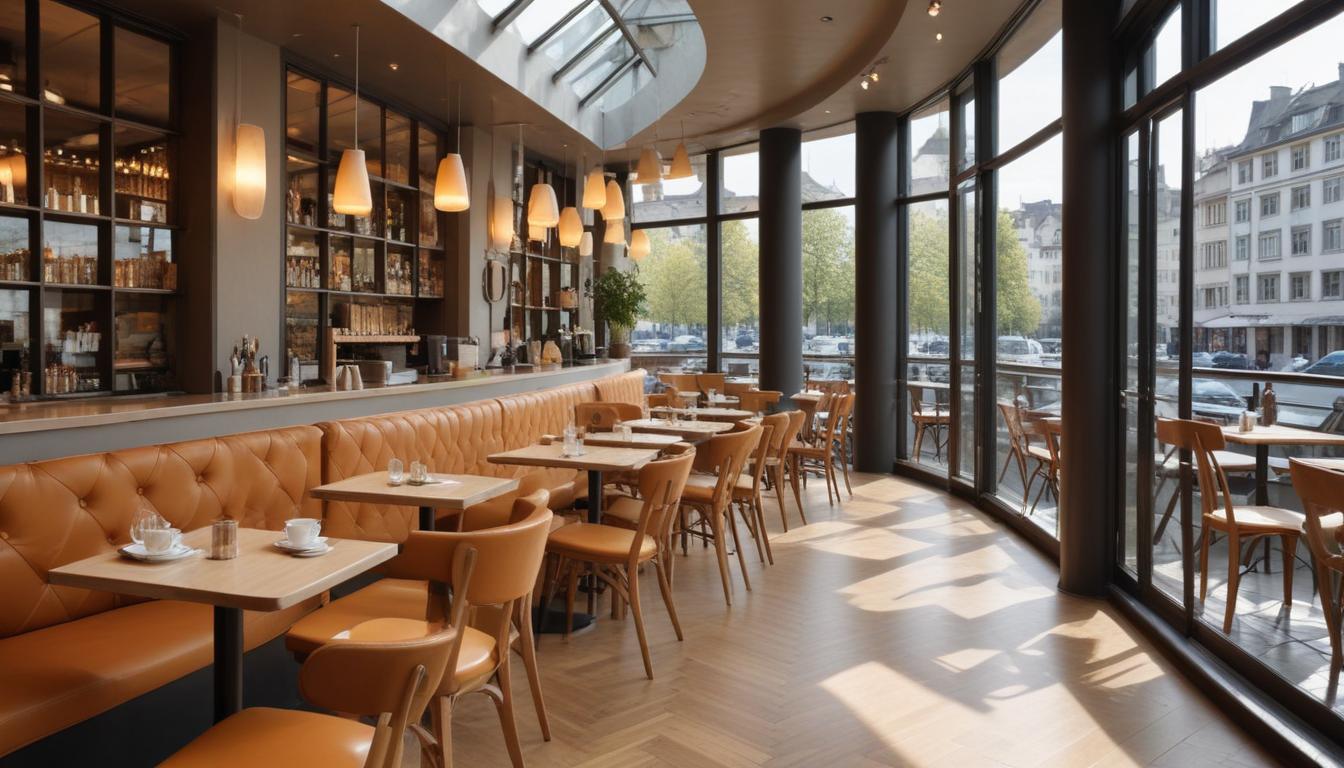
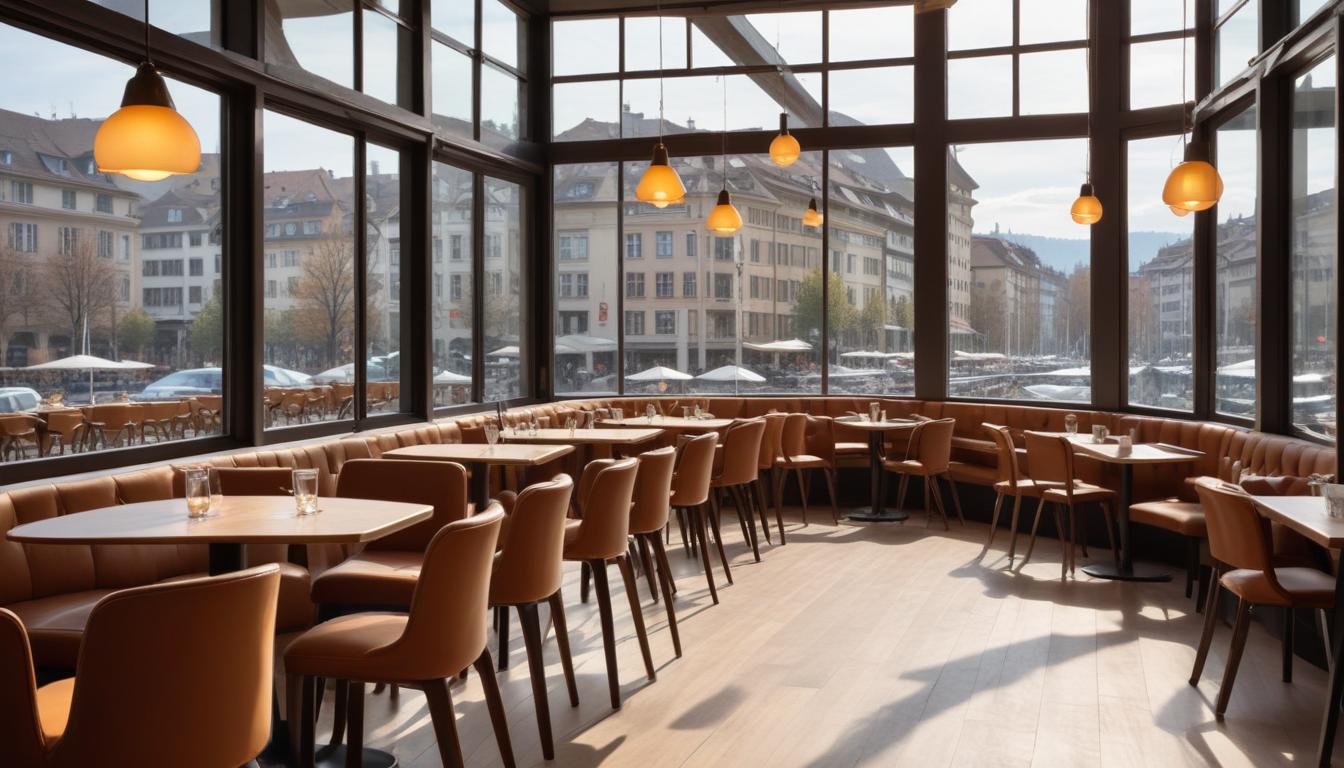
Five years ago, the notion of finding a cutting-edge mixology bar in Zurich felt almost laughable. The city's nightlife was synonymous with expensive wine lounges in the Bahnhofstrasse district and traditional beer halls in Altstadten—respectable, certainly, but hardly the place where global nightlife trends incubated. Today, that assumption is rapidly becoming obsolete, particularly in the Hardbrücke neighbourhood, where a new generation of bar owners is deliberately dismantling Zurich's image as a city where nightlife closes at midnight and conversation revolves around Swiss banking.
The shift is unmistakable. Where industrial warehouses once stood quietly along the Limmat, venues like those emerging near the Hardbrücke U-Bahn station are experimenting with everything from natural wine fermentation techniques to zero-waste cocktail programs. In 2023, fewer than 15 bars in the city offered craft cocktails as their primary offering. By early 2026, that number has nearly tripled, with the Hardbrücke corridor accounting for roughly 40 percent of that growth.
"What's happening isn't just about drinks," explains the Zurich Nightlife Association, which has tracked these demographic and venue shifts over the past 18 months. "It's about lifestyle reimagining. Younger residents and international workers are demanding social spaces that reflect their global experiences."
The economic data backs this perception. Average spending per person at newer venues in Hardbrücke (typically CHF 35-50 for an evening) slightly undercuts traditional city-centre bars (CHF 45-65), yet these newer establishments report significantly higher turnover rates—often 25 percent more foot traffic per square metre. Many stay open until 2 or 3 a.m., substantially later than their counterparts in the Altstadt.
The transformation extends beyond cocktails. Board game cafés, live electronic music venues, and pop-up supper clubs have proliferated along streets like Geroldstrasse and Badenerstrasse. Several venues now prominently advertise language-exchange nights and international social events—a direct acknowledgment that Zurich's nightlife is increasingly catering to its multinational workforce and student population.
Yet not everyone welcomes the shift. Traditionalists worry that Zurich's distinctive identity—built on precision, exclusivity, and understated elegance—risks being diluted by homogenising global trends. Established wine bar owners in the Neustadt district report flat sales, and some have quietly closed during the past two years.
For now, Hardbrücke's bar scene represents a middle ground: ambitious and international, yet still distinctly Swiss in its attention to quality and efficiency. Whether this balance holds as the trend accelerates will define Zurich's nightlife identity for years to come.
This article was compiled by AI from the sources linked above and screened before publishing. See our editorial standards.