How Zurich Really Gets Around: Tips and Honest Recommendations from Locals Who Live It Daily
From the Limmat valley to Wiedikon, we asked daily commuters how they navigate Switzerland's most expensive city—and where they actually save money.
From the Limmat valley to Wiedikon, we asked daily commuters how they navigate Switzerland's most expensive city—and where they actually save money.
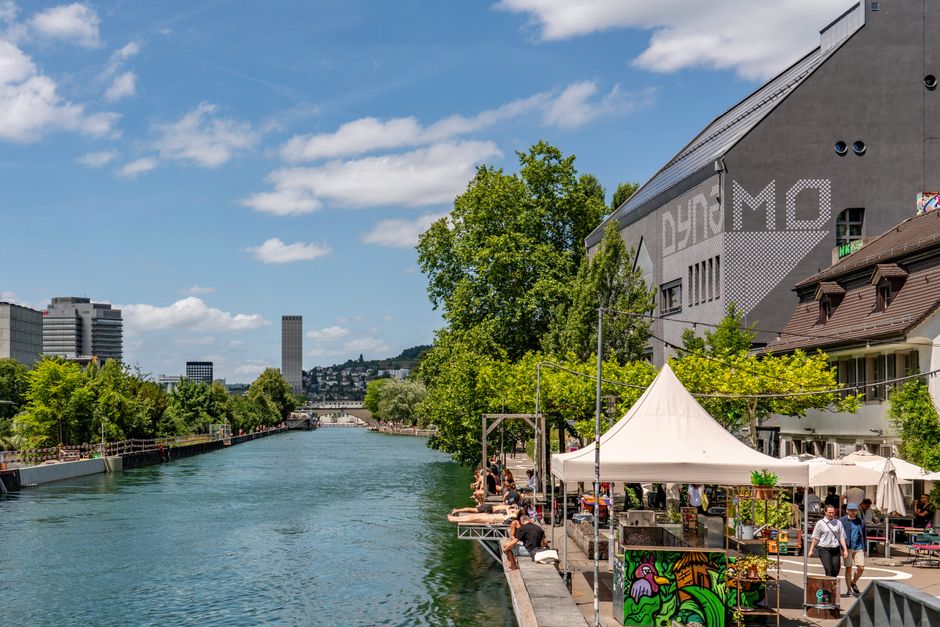
Ask ten Zurichers how they get to work, and you'll get ten different answers. But ask them what they *wish* they'd known when they started commuting? That's where the real insights emerge.
"The GA is obvious for anyone staying longer than a few months," says one regular traveller between Hauptbahnhof and the lakeside offices near Bellevue. At 4,050 CHF annually, a General Abonnement—the all-in-one train, tram and bus pass—seems steep until you calculate that a single journey in Zone 100 costs 4.60 CHF. Yet locals often mention a hidden strategy: combining a half-price GA with employer subsidies. Many Zurich companies cover 50–75 percent of transport costs, making the investment negligible. The ZVV's official data confirms roughly 60 percent of commuters use season passes rather than day tickets.
Bike culture remains the genuine shock for newcomers. The investment stings—a reliable single-speed runs 400–800 CHF—but regulars swear by it for the Wiedikon-to-Kreis 5 commute, avoiding tram delays entirely. One consistent note: buy a sturdy lock (200+ CHF), or expect to visit the Polizeiposten Wiedikon frequently. Bike theft on Langstrasse is practically seasonal.
Tram timing rewards consistency. The 7 and 13 lines serve the city's north-south artery reliably; locals who time their Europaplatz departure for 7:47 rather than 7:45 often catch an earlier connection near Stadelhofen. These micro-patterns aren't published—they're learned through repetition.
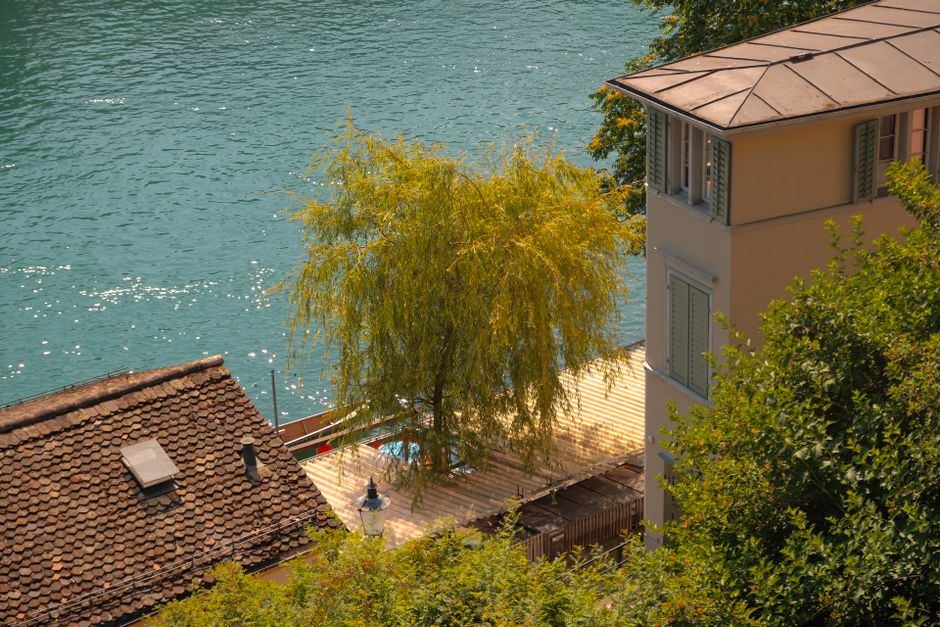
For those near the Limmat valley, evening boats offer an alternative that's neither faster nor cheaper but psychologically valuable. A summer commute along the Zürichsee by ferry costs the same as transit but feels restorative. It's why transport in Zurich isn't purely functional.
The honest advice from experienced commuters centres on flexibility. A mixed strategy—bike for good weather, tram during winter, occasional taxi (Uber averages 18–25 CHF across the inner city) for time-critical mornings—beats strict adherence to one method. Zurich's density makes almost everywhere reachable within 25 minutes.
Real cost-saving doesn't come from choosing between systems. It comes from understanding that Zurich's transport ecosystem—whether ZVV trams, SBB regional trains, or your own two wheels—works best when you stop treating commuting as a problem and start treating it as pattern-recognition. The locals who seem least stressed aren't those with the fastest routes; they're those who've accepted their journey as part of their day.
This article was compiled by AI from the sources linked above and screened before publishing. See our editorial standards.
How does this story make you feel?
Spread the word
About this article
Published by The Daily Zurich
Daily brief
Free, in your inbox before 7am. Weekdays.
More in lifestyle