Why Zurich Stands Apart: What Global Relocators Need to Know About This City
From direct democracy to Alpine access, discover the defining qualities that set Switzerland's largest city apart from other global metropolises.
From direct democracy to Alpine access, discover the defining qualities that set Switzerland's largest city apart from other global metropolises.
Moving to a new city can feel like learning a new language—and in Zurich's case, you might be doing exactly that. But what truly sets this lakeside metropolis apart from London, Singapore, or New York isn't just the multilingual environment or the Alpine backdrop. It's a distinctly Swiss philosophy woven into daily life that most international relocators only appreciate after several months of living here.
Start with direct democracy. Unlike most global cities, Zurich operates under a system where residents regularly vote on local matters—from infrastructure projects to social policies. This means your voice carries tangible weight. The annual citizens' assemblies and frequent referenda create a sense of civic engagement rarely found elsewhere. It's governance that feels personal, not distant.
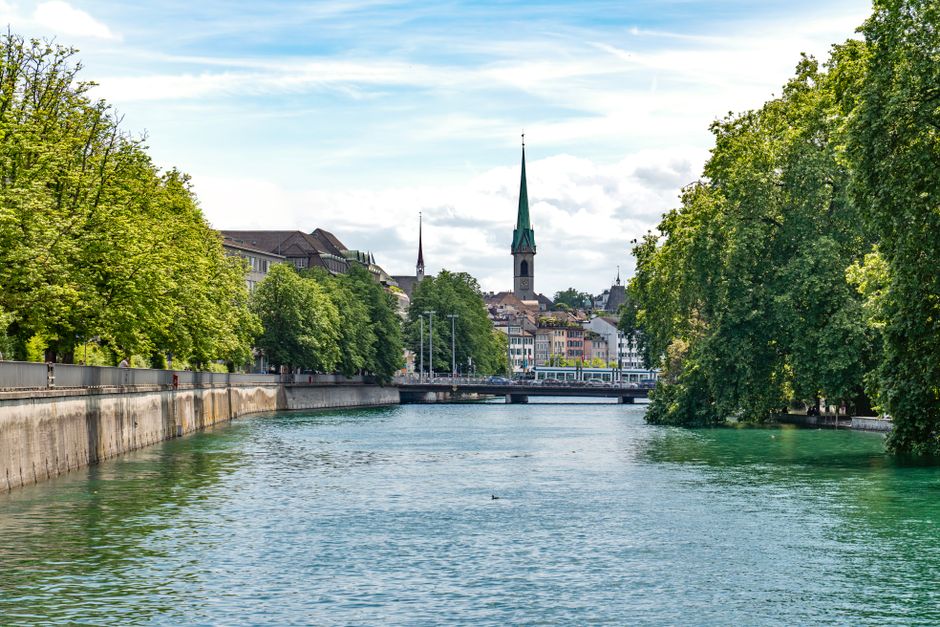
Then there's the efficiency paradox. Yes, Zurich ranks among the world's most expensive cities—a one-bedroom apartment in Wiedikon or Aussersihl averages 2,400 CHF monthly. Yet this cost reflects something often invisible to newcomers: a social contract built on quality of life rather than pure consumption. Public transport runs with Swiss precision; the Limmat riverfront is genuinely accessible; social safety nets are robust. You're paying for systems that actually work.
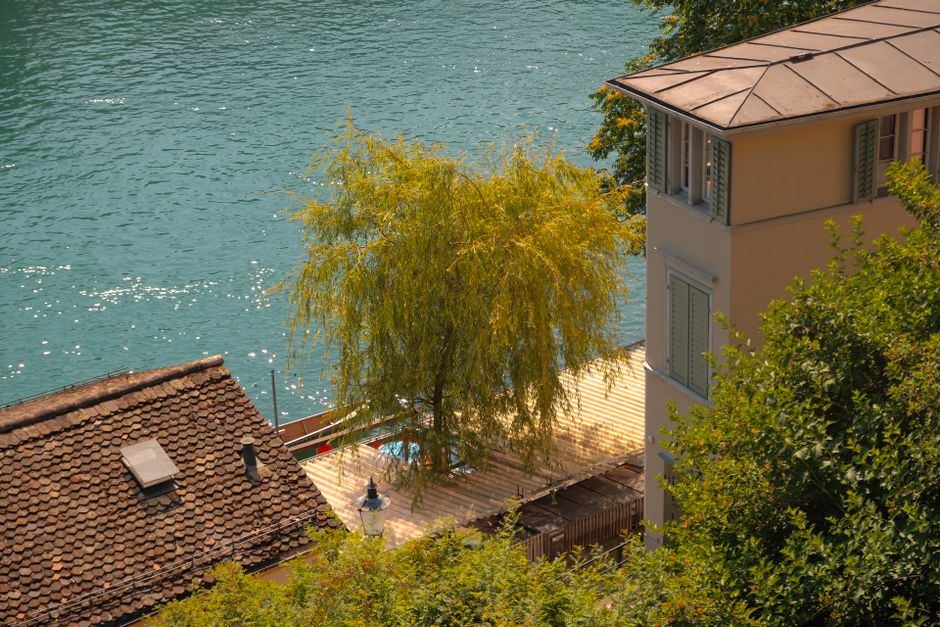
The outdoor culture deserves emphasis. Within 45 minutes, you can hike into the Uetliberg hills or jump on a train heading toward Appenzell's rolling countryside. This isn't a selling point; it's infrastructure. Unlike coastal cities or sprawling metropolitan regions, Zurich refuses to sacrifice nature for urban density. Lake Zurich's public beaches—free, clean, and integrated into the city—serve as communal gathering spaces in ways Central Park or Hyde Park cannot.
Networking here follows different rules. Professional connections matter, certainly, but they're built through established channels: industry associations, alumni networks, and community organizations like the International Women's Forum Zurich or the Zurich Intercultural Forum. Cold networking feels less transactional than in London or New York. Relationships develop slowly but tend to stick.
Perhaps most distinctly Swiss: the integration expectation. Unlike more transient global hubs, Zurich assumes you're staying. Language integration—particularly Swiss German—remains important socially and professionally. The city rewards this effort with genuine community belonging, though the learning curve can be steep.
For relocators from other major cities, Zurich offers something increasingly rare: a place where economic success doesn't require sacrificing livability, where civic participation isn't performative, and where natural beauty remains genuinely integrated into urban life. It's not for everyone. But those who embrace its particular rhythms find something most global cities have lost.
This article was compiled by AI from the sources linked above and screened before publishing. See our editorial standards.
How does this story make you feel?
Spread the word
About this article
Published by The Daily Zurich
Daily brief
Free, in your inbox before 7am. Weekdays.
More in lifestyle