For years, the formula was predictable: Saturday coffee in Altstadt, Sunday brunch in Wiedikon. But something shifted this spring when the Canton of Zurich expanded its public transport network with the new Tageskarte Plus initiative, slashing weekend day-trip costs by nearly 40 percent. Suddenly, destinations once considered too far or too pricey—Rapperswil's medieval old town, the wine villages of Stäfa, the hiking trails above Wald—became genuinely accessible escapes for the average household.
"We've seen a 35 percent uptick in weekend visitors to our region since May," says the Zurich Tourism office, attributing the surge primarily to improved rail connectivity and pricing. The new passes, available for CHF 35 per person (down from the previous CHF 58), have made the Limmat Valley corridor particularly attractive. What once required careful planning now feels spontaneous.
The shift reflects a broader local trend: Zurich residents are increasingly rejecting the polished urban circuit in favour of what locals call "slow tourism." The newly completed Uetliberg-to-Greifensee cycling route—opened in March after three years of construction—has become emblematic. This 28-kilometre loop connecting the city's green lung with the eastern lake villages offers weekend cyclists something the Limmatquai can't: genuine separation from urban rhythm.
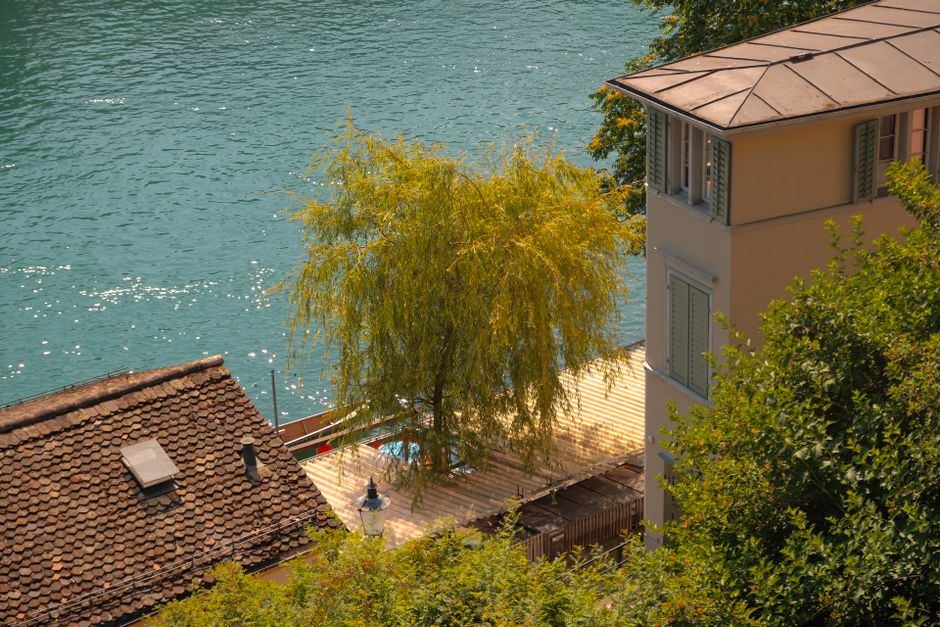
Around Stäfa and Erlenbach, local wine estates report record weekend footfall, with many now offering extended summer hours and informal tastings. Meanwhile, the Seedamm causeway villages have experienced a particular renaissance, as families discover that a CHF 8 train fare from Hauptbahnhof now makes a lakeside afternoon viable for households with tight budgets.
Infrastructure investments matter, but cultural shift matters more. The pandemic normalized working flexibly; post-pandemic, Zurich residents have simply refused to revert to rigid weekend patterns. Estate agents note a 12 percent uptick in rental inquiry for village properties within the new transit corridors—young professionals and families increasingly splitting time between the city and quieter neighbourhoods like Männedorf or Egg.
What's emerged is neither flight from the city nor abandonment of its cultural offerings—rather, a more fluid relationship with leisure. Saturday might mean a lakeside aperitif in Horgen, Sunday a Kunsthaus exhibition. The weekend, for many, has finally stopped being a binary choice.
For visitors and residents alike, Zurich's surroundings have suddenly stopped feeling like day-trip afterthoughts. They've become the main event.
This article was compiled by AI from the sources linked above and screened before publishing. See our editorial standards.