On any given Saturday afternoon, Zurich's parks tell a story far more nuanced than postcard perfection. Walk along the Limmatquai during summer months, and you'll witness the city's neighbourhoods literally converging—traders from the Wiedikon district mingling with Altstadt residents, families from Hongg cycling down for picnics on the carefully maintained lawns. These aren't merely recreational spaces; they're the beating heart of neighbourhood identity.
The Uetliberg forest, sprawling across 1,000 hectares above the city, draws a particular crowd. You'll find investment bankers from the Bahnhofstrasse sharing hiking trails with multi-generational immigrant families, the park's accessibility via the Uetlibergbahn making it genuinely democratic. Local cycling clubs log more than 50,000 visitors monthly during peak season, yet the green canopy somehow absorbs the activity without feeling crowded.
But the real neighbourhood character emerges in smaller, fiercer-protected spaces. In Wiedikon, around the Werdmüller Centre, community groups have transformed scrubland into pocket gardens—informal, intimate spaces where Zurich's working-class roots still grip. The neighbourhood association fiercely defends these spots from commercial encroachment, hosting monthly gardening workshops that draw regulars from surrounding streets. A modest coffee stand nearby (roughly CHF 5 for an espresso) has become the unofficial headquarters.
Kreisräte—district councils—have invested substantially in neighbourhood green initiatives. The 2024-2026 Grünflächeninitiative allocated CHF 18 million across twelve districts for park improvements and new plantings. In Altstetten, these funds created dedicated play zones integrated with community seating areas, where Turkish, Italian, and Swiss families gather in visible, intentional proximity.
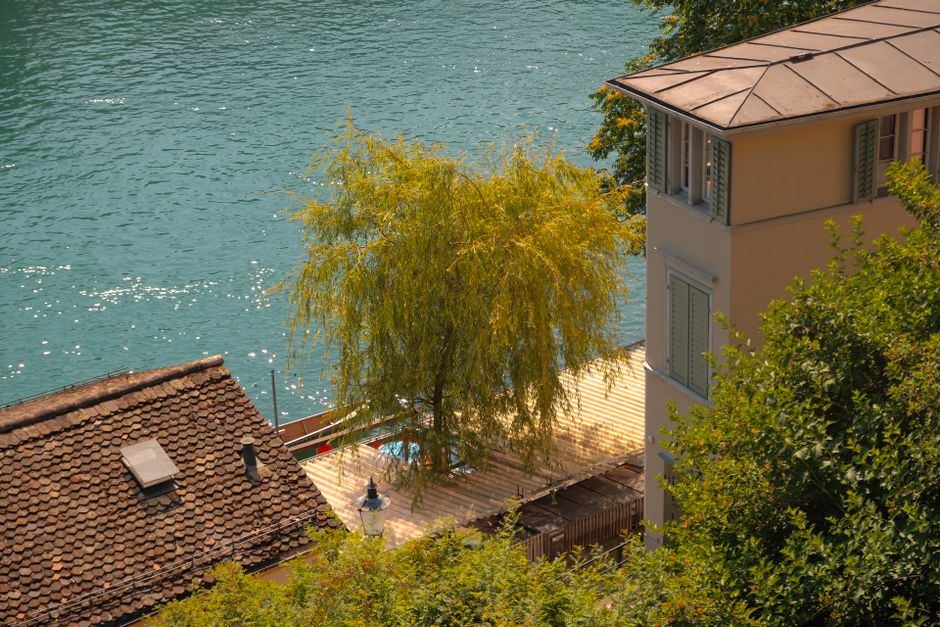
Seefeld Park, skirting Lake Zurich's east side, offers a different vibe entirely. The neighbourhood's relative affluence shows in the manicured borders and expensive cycling gear, yet the public beach remains genuinely accessible—proof that Zurich's geography still allows for cross-class interaction around water and trees.
What distinguishes Zurich's park culture from comparable European cities is how earnestly neighbourhoods protect their character through these spaces. They're not trophy installations or Instagram backdrops, but genuine expressions of how different communities want to live together. Visit on a June evening like this one, and you'll see the distinction: not pristine isolation, but purposeful congregation—neighbours becoming just that, neighbours, because the grass and trees gave them somewhere to be.
This article was compiled by AI from the sources linked above and screened before publishing. See our editorial standards.