Why Zurich's Neighbourhoods Stand Apart: A Global Comparison
From medieval charm to cutting-edge sustainability, Zurich's districts offer a living model of urban life that few cities worldwide can match.
From medieval charm to cutting-edge sustainability, Zurich's districts offer a living model of urban life that few cities worldwide can match.
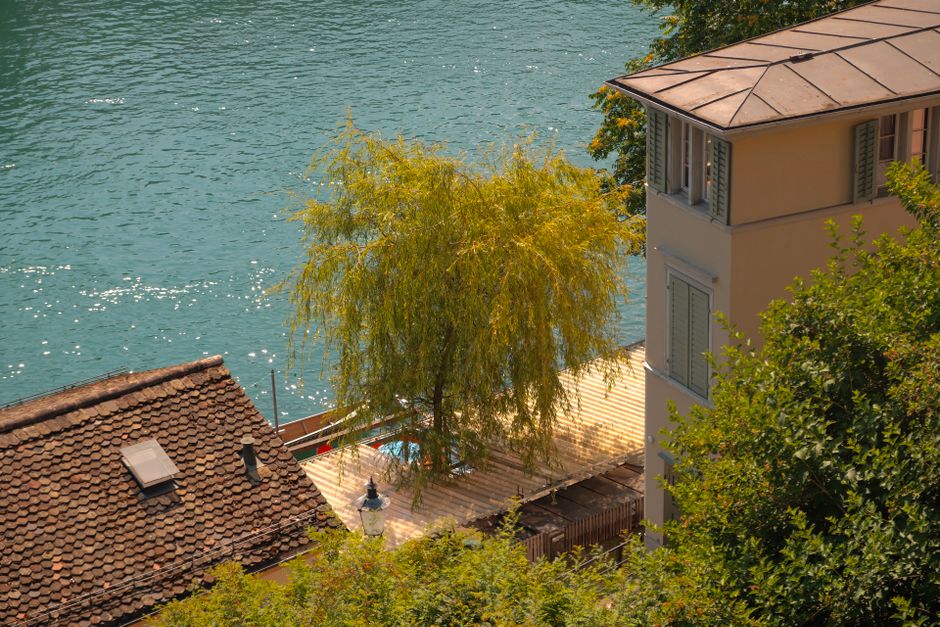
Walk through the Altstadt on a summer evening, and you'll notice something absent from many world capitals: silence punctuated by conversation, not traffic chaos. This is quintessentially Zurich—a city that has engineered neighbourhood life around human scale rather than automobile dominance.
Compared to London's sprawling boroughs or New York's density-driven neighbourhoods, Zurich's 34 districts maintain distinct identities while remaining intimately connected. The Wiedikon neighbourhood, traditionally working-class and increasingly gentrified, pulses with independent shops along Gerbergasse and Militärstrasse, where a coffee costs CHF 5–7 and locals still greet shopkeepers by name. This social fabric—where neighbourhood commercial streets remain viable against e-commerce pressures—is increasingly rare globally.
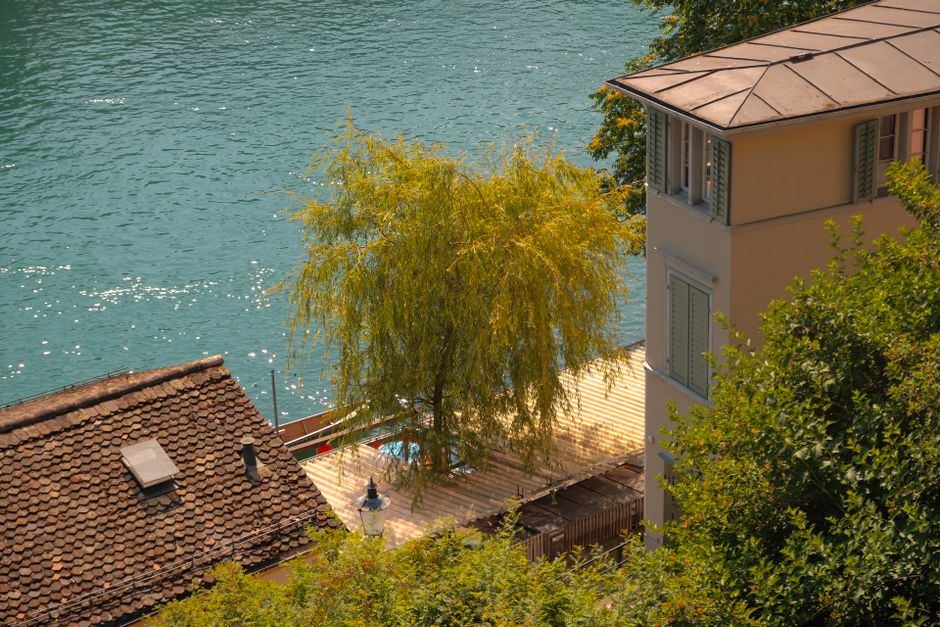
What genuinely sets Zurich apart is its environmental integration into daily life. The Sihl River, which bisects the city, isn't hidden behind industrial zones like many urban waterways worldwide; instead, it's lined with accessible parks and bathing spots. Aussersihl residents regularly swim in designated zones during summer, a public health feature more common in Central Europe but virtually absent from major Anglo-American cities.
The city's commitment to public transit fundamentally reshapes neighbourhood dynamics. With the ZVV network connecting all districts via tram, bus, and train, car ownership becomes optional rather than essential. Compare this to sprawling metropolitan areas like Los Angeles or even Berlin, where neighbourhood isolation without personal transport remains a genuine challenge. A family in Altstetten or Hongg can access city-centre amenities within 20 minutes without owning a vehicle.
Zurich's neighbourhood shopping culture also defies global trends. While high streets elsewhere hollow out, Zurich's Bahnhofstrasse and neighbourhood equivalents remain commercially vital—though at a premium. Average rents in central districts range from CHF 2,500–3,500 for a two-bedroom apartment, pricing many out, yet the neighbourhood structure itself remains resilient.
Perhaps most distinctively, Zurich maintains neighbourhood-level democratic participation through its district assemblies and local referenda. Citizens in Kreis 6 or Kreis 10 don't merely absorb decisions from distant city hall; they actively shape neighbourhood policy. This civic engagement model, rooted in Swiss federalism, creates accountability that transcends most global city governance structures.
The result? Neighbourhoods that feel neither anonymous nor insular—accessible yet distinctive, profitable yet community-conscious. In an era when global cities increasingly homogenise, Zurich's districts remain stubbornly, deliberately local.
This article was compiled by AI from the sources linked above and screened before publishing. See our editorial standards.
How does this story make you feel?
Spread the word
About this article
Published by The Daily Zurich
Daily brief
Free, in your inbox before 7am. Weekdays.
More in lifestyle