The Faces Behind Zurich's Neighbourhoods: Meet the People Making These Streets Home
From Wiedikon's creative rebels to Hongg's quiet gardeners, we explore the human stories that transform Zurich's districts from postcards into living communities.
From Wiedikon's creative rebels to Hongg's quiet gardeners, we explore the human stories that transform Zurich's districts from postcards into living communities.
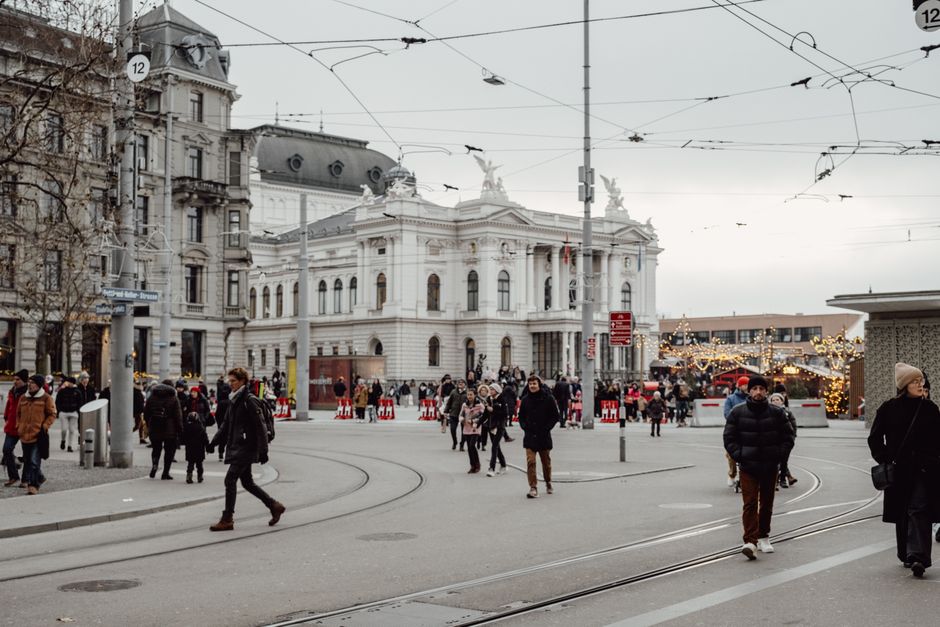
Walk along Gerbergasse in the Altstadt on any Saturday morning, and you'll witness a microcosm of what makes Zurich tick—not the banking towers or the manicured parks, but the people who've chosen to build their lives here, street by street.
Wiedikon has undergone a remarkable transformation over the past decade. What was once dismissed as rough around the edges is now a creative heartland where young families, artists, and entrepreneurs have invested both money and meaning. The neighbourhood's Freitag Tower—a converted shipping container structure—symbolizes this reinvention, but it's the smaller stories that matter: the community gardens on Sihlquai, where residents grow vegetables in raised beds and share harvests; the independent bookshops and vintage clothing stores clustering aroundItems and Militärstrasse; the 30-something founders who've chosen 900-franc monthly rents over sterile developments.
In Hongg, a quieter northwest district where property prices hover around 7,800 francs per square metre, a different narrative unfolds. Here, multi-generational families tend allotments and maintain strong social bonds forged over decades. The Hongg Community Centre remains a genuine gathering point—not Instagram-ready, but genuinely functional. Elderly residents teach younger neighbours how to preserve plums. Children play in streets where neighbours know each other's names.
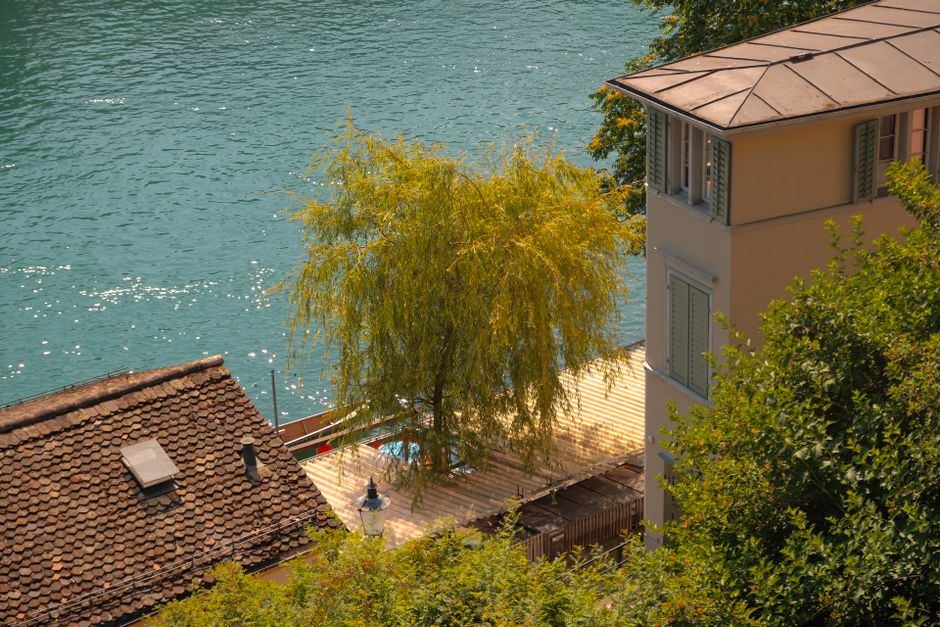
Wollishofen tells yet another story. This lakeside neighbourhood attracts young professionals drawn by the Zürichhorn park and the 2.3-kilometre lakefront promenade. Yet beneath the gleaming apartment conversions and café culture exists a tighter weave of residents who volunteer with local integration initiatives, helping newer arrivals navigate Swiss bureaucracy and community norms. The Wollishofen Library hosts regular conversation circles where speakers of different languages connect.
What distinguishes these neighbourhoods isn't wealth or demographics alone—Zurich's median rent of 2,100 francs ensures diversity remains economically challenging—but rather the individuals who actively invest in street-level community. They're the gallery owners on Zurich West's Europaallee who host emerging artists; the shopkeepers on Langstrasse who've resisted chain-store homogenization; the volunteers running the Quartier Festivals that close streets for music, food, and conversation every summer.
As Zurich continues evolving—new developments reshape skylines monthly—these neighbourhoods remind us that cities remain fundamentally human endeavours. The faces matter more than the facades. The stories sustain the streets. That's what separates a postcard from a home.
This article was compiled by AI from the sources linked above and screened before publishing. See our editorial standards.
How does this story make you feel?
Spread the word
About this article
Published by The Daily Zurich
Daily brief
Free, in your inbox before 7am. Weekdays.
More in lifestyle