Zurich's weekend character emerges not from glossy tourism brochures, but from the rhythms of its neighbourhoods—where locals breakfast at corner bakeries, antiquarians browse vintage markets, and lakeside paths fill with runners and cyclists seeking respite from the city's famously intense work culture.
The Zurich lifestyle landscape has shifted markedly in recent years. Kreis 4, once industrial, now pulses with creative energy. The neighbourhood around Langstrasse hosts independent galleries, vintage shops, and street art that transforms brick walls into open-air galleries. Saturday mornings draw crowds to the Bürkliplatz farmers market, where local producers sell everything from Appenzell cheese to hand-roasted coffee. The vibe is decidedly unpretentious—flannel shirts and canvas totes outnumber designer handbags by a comfortable margin.
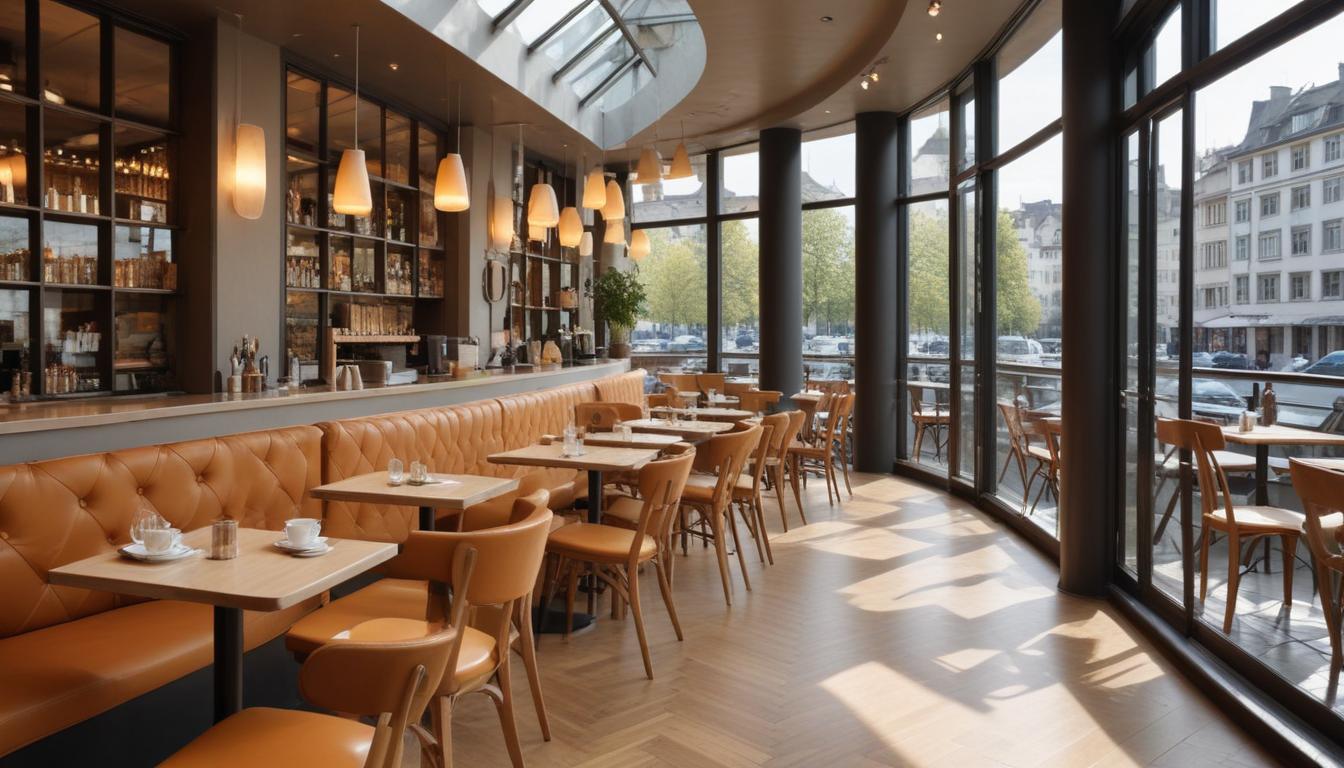
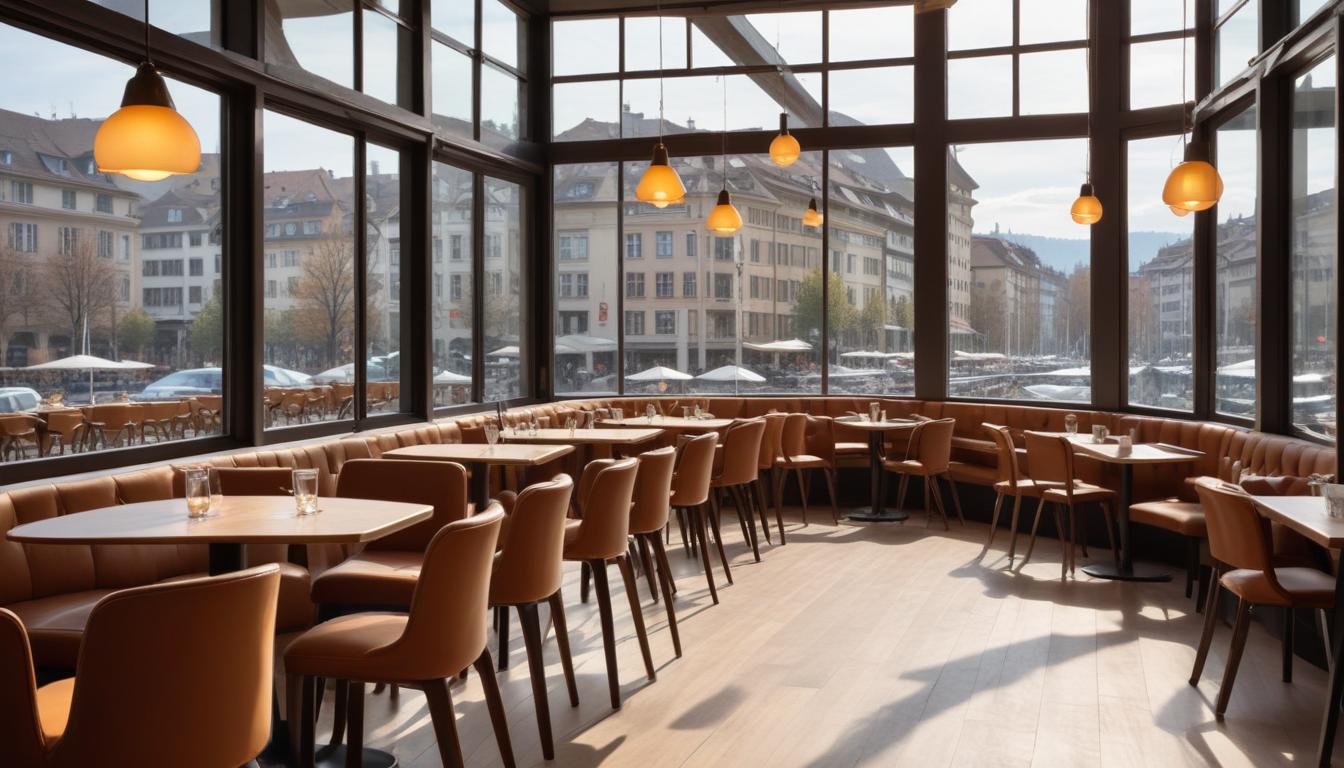
Meanwhile, Wiedikon maintains its quieter, more introspective character. The neighbourhood bordering the Sihl River offers a counterpoint to the city's frenetic energy. Villa gardens overflow onto Seestrasse, where independent cafés like the ones dotting the street offer a slower pace. The proximity to Uetliberg—accessible by tram or a 45-minute hiking trail—means weekend mornings often begin with forest walks rather than shopping expeditions. This neighbourhood attracts families and professionals seeking balance; a one-bedroom apartment here costs roughly 2,200 francs monthly, reflecting its desirability without the premium pricing of the lakeside elite districts.
The Zurich lifestyle report from 2025 revealed that 68 per cent of residents prioritise weekend outdoor activities over cultural venues—a telling statistic that explains why the Limmat river paths and lakefront promenades transform into open-air meeting points come Saturday afternoon. The community character here stems partly from Switzerland's ingrained outdoor culture, but also from Zurich's deliberate curation of public spaces that encourage informal gathering.
Neighbourhood identity solidifies through micro-communities. The Zurich Bike Collective in Kreis 5 hosts repair workshops attracting environmental advocates and cyclists. Community gardens in Hongg welcome newcomers seeking connection to the earth and each other. Local sports clubs—rowing clubs dotting the lake, running groups assembling at Bellevue—function as informal neighbourhood anchors.
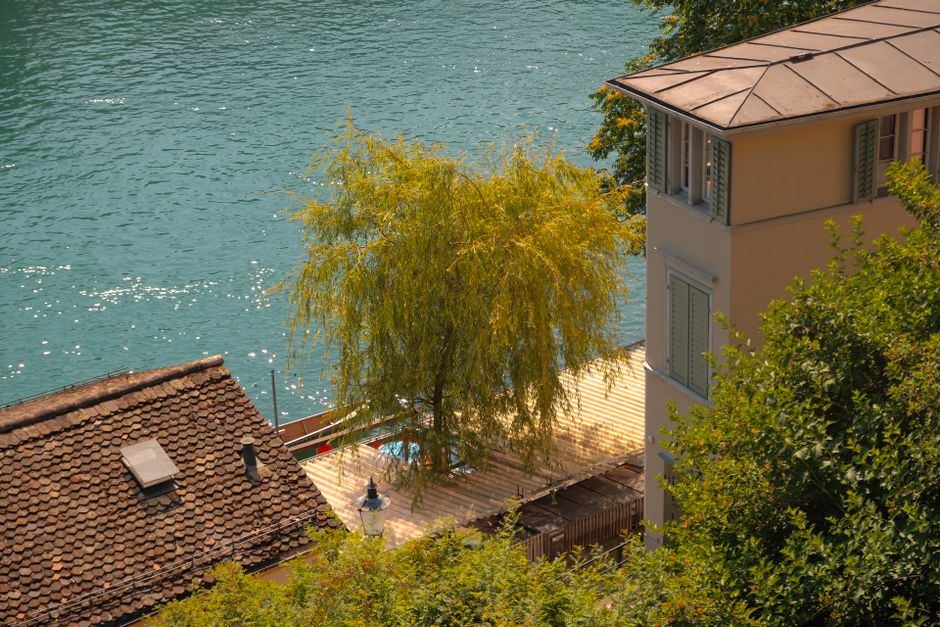
What distinguishes Zurich's weekend leisure culture is its democratic accessibility. A morning at the public Stadelhofen beach costs nothing; a lakeside walk from Zurichhorn to Tiefenbrunnen is free. Yet these experiences reveal the neighbourhood soul more authentically than any guided tour. The character emerges through observation: how locals interact with shopkeepers, which parks fill first on sunny Sundays, where conversation naturally pools into community.
This article was compiled by AI from the sources linked above and screened before publishing. See our editorial standards.