There's a moment most newcomers experience within their first month in Zurich: standing at Hauptbahnhof, watching a tram depart exactly on schedule while a cyclist glides past without breaking rhythm, and realizing they've entered a city built on principles rather than chaos. For expats relocating from London, Singapore, or New York, Zurich's defining characteristic isn't what it has—it's what it has eliminated.
The mathematics of daily life here operate differently. Take transport: the integrated system connecting trams, buses, trains and boats is so seamlessly coordinated that the average commute from Wiedikon to the financial district takes 22 minutes. Compare this to London's unpredictable Underground or Bangkok's gridlock, and you understand why relocation specialists cite "time recovery" as a primary quality-of-life gain. A monthly pass costs CHF 116, covering the entire canton.
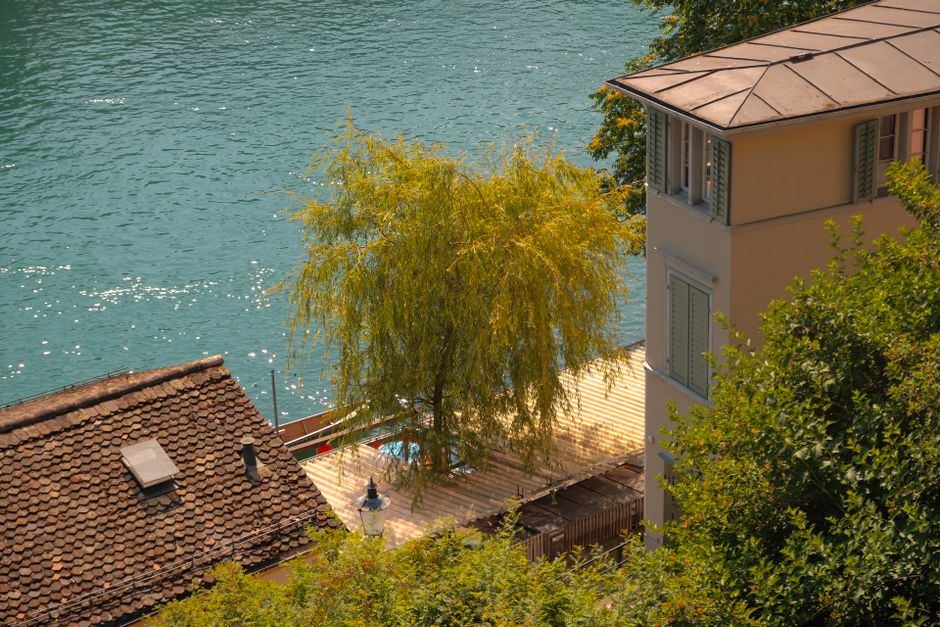
But efficiency alone doesn't explain Zurich's magnetism for global professionals. The city's relationship with nature sets it apart fundamentally. Within 20 minutes of the city center, you can swim in the Limmat or hike the Uetliberg's forested trails—something no Manhattan resident can claim. This isn't recreational luxury; it's woven into the urban fabric. Zurich's 1,700 kilometers of hiking paths and 50 public beaches create an outdoor culture that transforms how expats think about work-life balance.
The financial ecosystem also operates with unusual transparency. Yes, Zurich hosts 120 banks and is synonymous with wealth management, but unlike Singapore's opaque corporate hierarchies or London's old-boys networks, professional advancement here follows documented meritocratic pathways. Salaries typically exceed other European cities by 30-40%, though cost of living—CHF 2,800-3,500 monthly for a one-bedroom apartment in Kreis 7—reflects this premium.
Perhaps most distinctly Zurich is its cultural paradox. The city balances cosmopolitanism (40% of residents are foreign-born) with Swiss reserve—a combination that prevents the transient superficiality of Dubai or the exhausting competitiveness of Hong Kong. Neighborhoods like Zurich West have transformed into creative hubs with galleries, restaurants and independent shops, yet maintain quiet residential streets where neighbors actually know each other's names.
For expats accustomed to compromise, Zurich initially feels impossibly high-maintenance: everything costs more, rules matter genuinely, and small-talk remains genuinely small. But that precision—in trains, salaries, environmental standards, and civic engagement—creates something rarer than luxury. It creates a city where moving here feels less like relocation and more like leveling up.
This article was compiled by AI from the sources linked above and screened before publishing. See our editorial standards.