Raising Kids in Zurich: Tips and Honest Recommendations from Locals Who Live It Daily
We asked parents across the city's neighbourhoods what actually works—and what the glossy brochures don't tell you.
We asked parents across the city's neighbourhoods what actually works—and what the glossy brochures don't tell you.
Zurich's reputation as a pristine, orderly city extends to its approach to child-rearing, but parents here will tell you the reality is messier, more human, and far more interesting than the stereotype suggests. We spoke with families across different neighbourhoods to gather their hard-won wisdom on schools, community spaces, and the practical realities of raising children in Switzerland's most expensive city.
The school question looms largest for newcomers and locals alike. While Swiss public schools (Volksschulen) are excellent and tuition-free, the cantonal system means significant variation between districts. Parents in Wiedikon and Aussersihl report strong community engagement but warn that popular schools fill quickly—registration typically opens in October for the following August. International families often gravitate toward English-medium schools like the Zurich International School in Adliswil, though fees exceed 30,000 CHF annually. Local consensus: visit multiple schools, don't rely on rankings alone, and factor in commute time realistically.
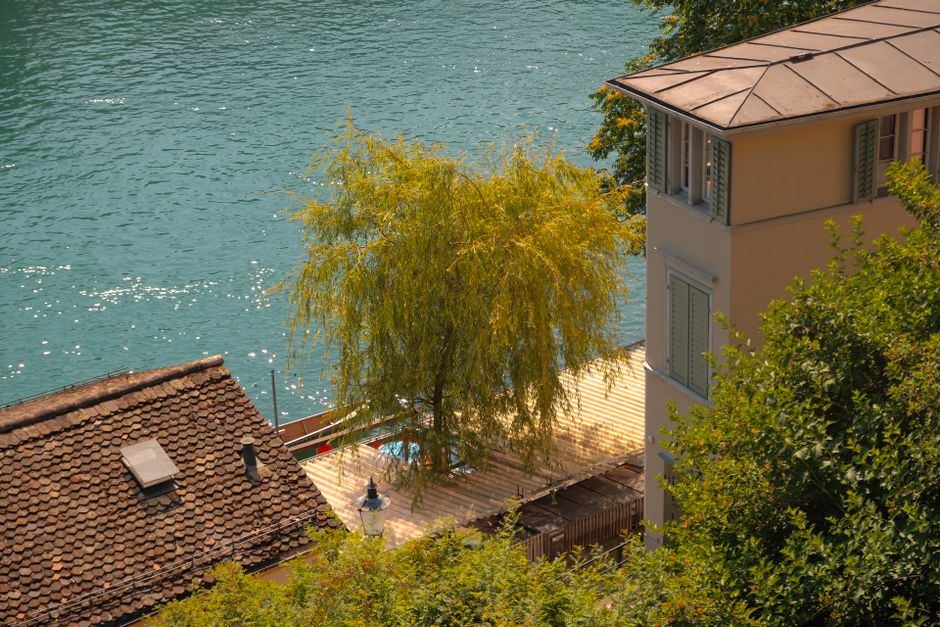
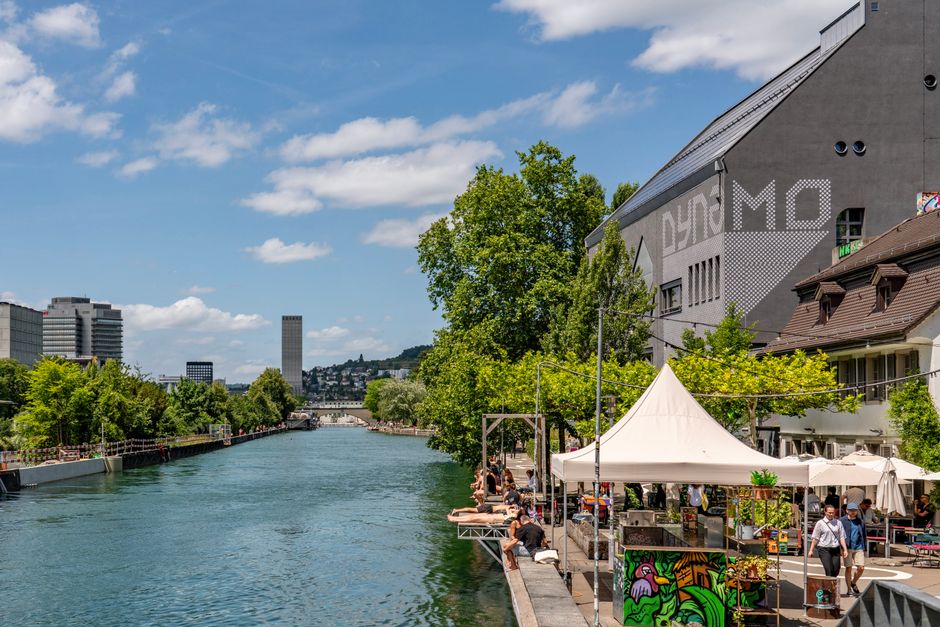
Beyond academics, locals highlight the city's exceptional network of outdoor spaces. The Uetliberg offers accessible hiking even with toddlers, while the Limmat riverbanks provide free recreation year-round. Less obvious: the Flussbad swimming culture. Facilities like Barfüsserplatz and Schanzenbach are affordable (around 8 CHF per visit) and genuinely social—where parents connect while children play.
Childcare costs are brutal, with full-time Kita spots running 2,500–3,500 CHF monthly. Parents advise registering at municipal waiting lists (Stadt Zürich) as early as pregnancy allows. However, many recommend exploring Tagesfamilien (family daycare providers) through organisations like Kibesuisse, which often offer more flexibility and are slightly less expensive.
The Kreis 6 and Kreis 9 neighbourhoods—Hongg, Altstetten—are where many young families cluster, citing more affordable rents and genuinely mixed communities. Spielplätze (playgrounds) are plentiful everywhere, but locals stress that Swiss playgrounds expect parental supervision; the free-range model has limits.
A recurring theme: take advantage of subsidised parent-child classes (Mütter-Väter Beratung offers programmes across districts). These cost minimal fees and provide both structure and community during isolating early years. Similarly, library services through Stadt Zürich libraries offer storytimes in multiple languages.
Finally, parents emphasise patience with the bureaucratic side. Kindergarten placements, visa considerations for expat families, and childcare subsidies require advance planning and documentation. But once you navigate it, many say Zurich offers stability, safety, and genuine community—if you know where to look.
This article was compiled by AI from the sources linked above and screened before publishing. See our editorial standards.
How does this story make you feel?
Spread the word
About this article
Published by The Daily Zurich
Daily brief
Free, in your inbox before 7am. Weekdays.
More in lifestyle