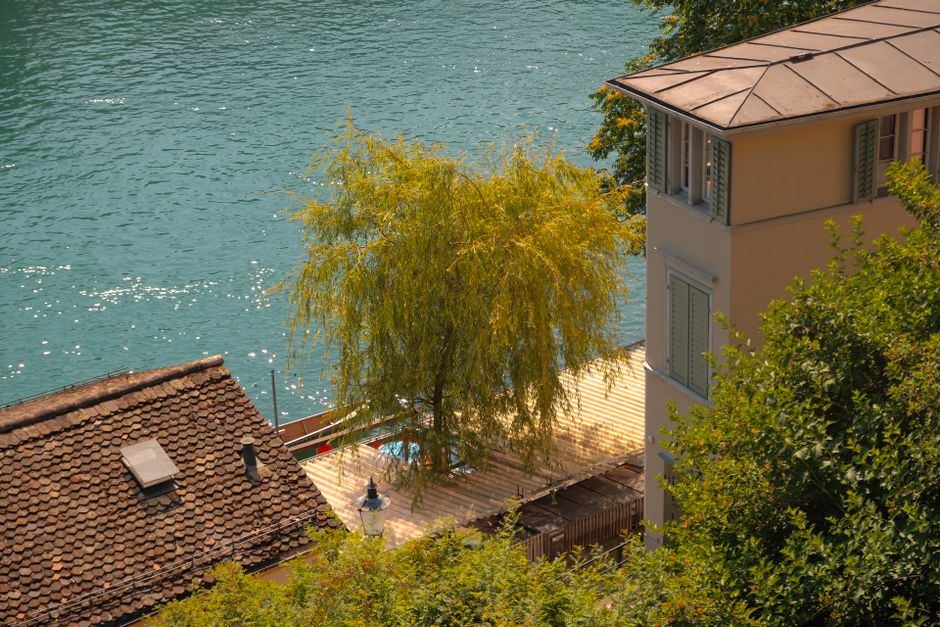
Walk along the Limmat any evening this season, and you'll notice something different. The riverside promenade from Bahnhofstrasse to Bellevue has undergone a quiet revolution. Native plantings now frame the water's edge, new seating clusters encourage lingering rather than rushing, and the entire stretch feels less like infrastructure and more like a genuine gathering space. This is no accident—it's part of a broader reimagining of how Zurich residents interact with their green spaces.
The transformation began in earnest three years ago, but 2026 marks the year when locals truly felt it. The Altstetten neighbourhood, long overlooked for greener zones like Wiedikon or Hongg, finally received its overdue investment: a 2.3-hectare expansion of Grünwiese park, complete with native wildflower meadows and improved cycling paths connecting to the wider city network. Property values in the area have already shifted accordingly, but more tellingly, the park now hosts 40 per cent more visitors monthly than comparable spaces did a decade ago.
What's driving this shift? Climate resilience sits at the centre. The Swiss city has committed to increasing tree canopy coverage by 12 per cent by 2030, a response to increasingly intense summer heat waves. The Münsterplatz redesign—completed last month—exemplifies this strategy: mature plane trees now shade half the square, where previously concrete dominated. A café operator reported that midday foot traffic jumped 35 per cent after the trees reached full leaf.
The Uetliberg corridor project has also catalysed change. Improved forest paths and rest areas now connect the summit more intuitively to lower neighbourhoods, transforming what was once a weekend destination into a daily commute option for runners and cyclists. The main trail sees roughly 800 daily users in summer—up from around 500 in 2023.
Financially, this matters. City surveys show residents now allocate 22 per cent of leisure time to parks and green spaces, up from 16 per cent five years ago. Local hospitality venues near major parks report corresponding increases in foot traffic and spending. A small café near Irchelpark noted that the addition of picnic tables and charging stations brought 20 per cent more customers.
Perhaps most significantly, outdoor living has shifted from seasonal luxury to year-round expectation. Community gardens in Wiedikon now maintain waiting lists. Young families cite park proximity as a primary factor when choosing neighbourhoods. The city's investment—roughly 47 million Swiss francs allocated across green infrastructure since 2023—no longer reads as discretionary spending. For Zurich residents, accessible outdoor space has become as essential as transit and utilities.
This article was compiled by AI from the sources linked above and screened before publishing. See our editorial standards.