Where Zurich Breathes: How Neighbourhood Parks Shape the City's Hidden Social Fabric
From Altstetten's bustling community gardens to Wiedikon's lakeside gathering spots, green spaces reveal the true pulse of Zurich's diverse districts.
From Altstetten's bustling community gardens to Wiedikon's lakeside gathering spots, green spaces reveal the true pulse of Zurich's diverse districts.
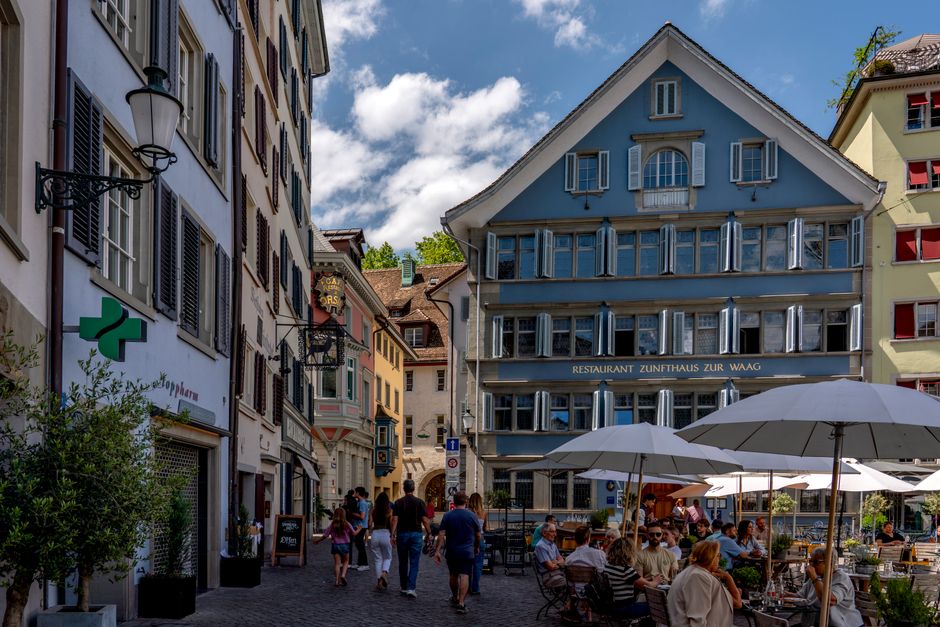
Walk through Zurich's parks on any given afternoon and you'll witness something remarkable: a city that hasn't forgotten how to connect. While the financial towers of the Europaplatz define the skyline, it's the neighbourhood green spaces that truly define how locals actually live.
In Altstetten, the Schaffhauserplatz has undergone a quiet revolution. What was once a utilitarian transport hub has blossomed into a genuine community meeting point, anchored by the Altstetten Community Gardens project launched in 2021. Here, residents from over 40 different nationalities cultivate vegetables in raised beds, their conversations flowing in a dozen languages. The garden's waiting list regularly exceeds 200 names—a testament to how desperately urban Zurichers crave connection to soil and each other.
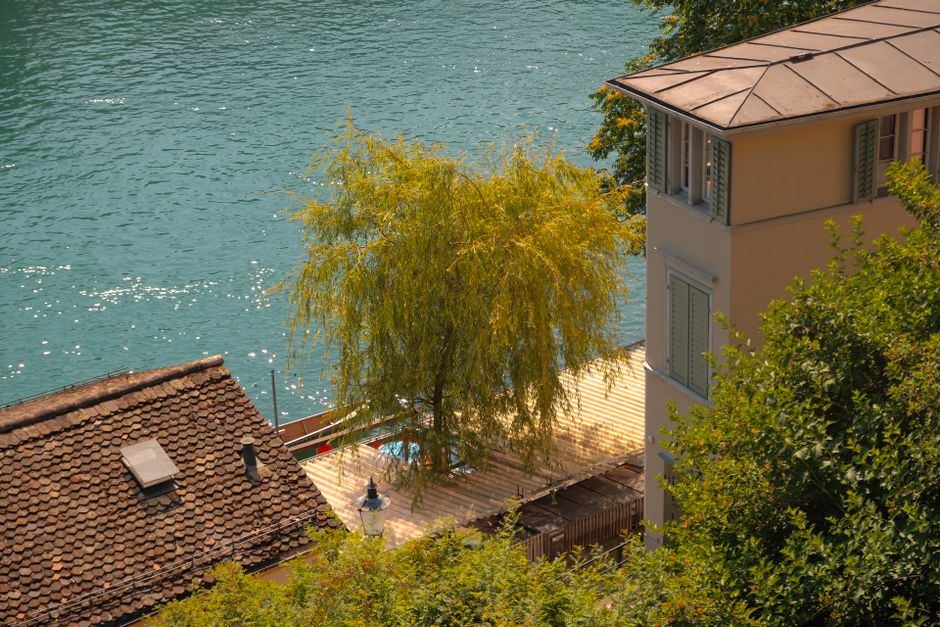
The transformation reflects broader shifts. Municipal data shows that green space usage in Zurich's residential districts has increased 34 percent since 2020, with parks becoming less about leisure and more about identity. In Wiedikon, the lakeside promenade stretching from Mythenquai to Brunau has become an unofficial living room for the neighbourhood's young families and creative professionals. Sunday mornings here pulse with a particular energy—vinyl at local cafés, children learning to sail, groups gathering for informal football matches.
But perhaps the most telling snapshot emerges in Hongg, where the Hongg Grün initiative has transformed underused parcels into micro-neighbourhoods. These aren't Instagram-ready installations; they're functional, worn, beloved. Residents know each other's names. Children run between clusters of neighbours who've known each other for decades.
The economics matter too. Property in Wiedikon averages 1.8 million francs for a modest three-room apartment, yet residents consistently cite park access as their primary quality-of-life metric, outranking proximity to shops or transport. In Altstetten, slightly more affordable at averages around 1.2 million francs, the community gardens represent something money can't easily buy: belonging.
What strikes any observer is how deliberately neighbourhoods have protected these spaces. When the city proposed reduced hours at Platzspitz in 2023, resident opposition forced reconsideration. These parks aren't peripheral amenities in Zurich's lifestyle conversation—they're central to how the city's fractious neighbourhoods maintain cohesion amid gentrification and rapid change.
The real Zurich, it turns out, isn't found in banking halls or luxury boutiques. It's found in the careful tending of a communal garden bed, in the daily rituals of strangers becoming neighbours, in spaces where the city slows down enough to remember it's inhabited by people, not just professionals.
This article was compiled by AI from the sources linked above and screened before publishing. See our editorial standards.
How does this story make you feel?
Spread the word
About this article
Published by The Daily Zurich
Daily brief
Free, in your inbox before 7am. Weekdays.
More in lifestyle