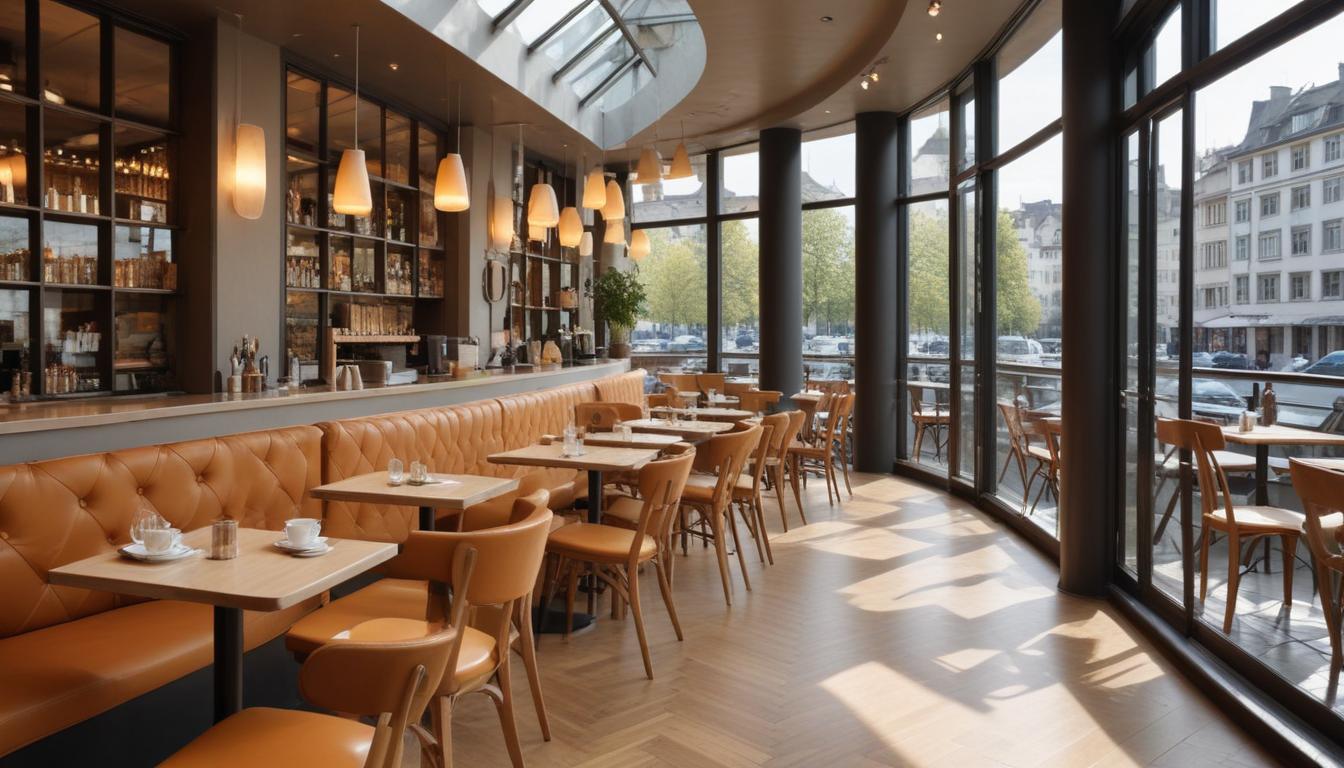
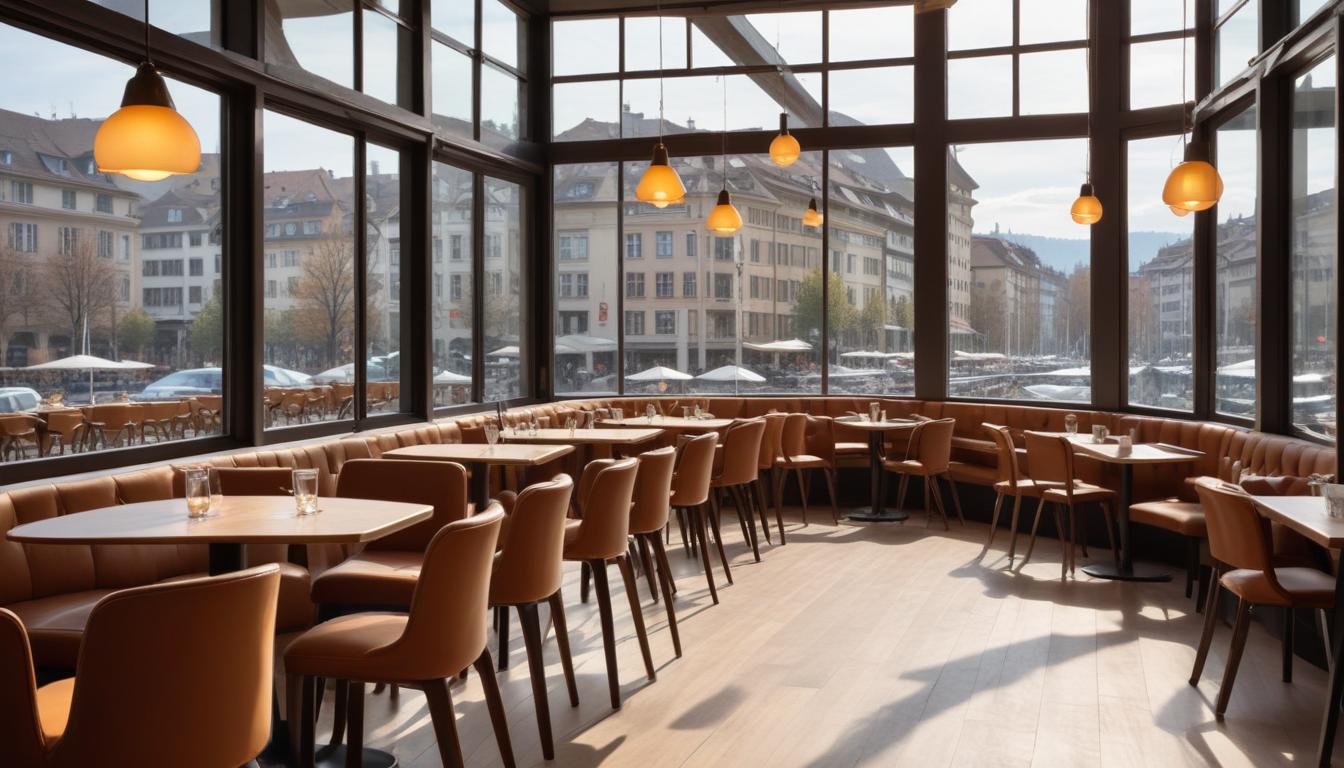
Walk into any bar along Marktgasse on a Friday evening, and you'll witness what makes Zurich's social scene distinctive: a careful balance between cosmopolitan polish and genuine neighbourhood intimacy. The city's bar culture isn't about chasing trends or exclusivity—it's about creating spaces where regulars and newcomers alike gather to decompress from a week of high-pressure finance and tech work.
In Wiedikon, a neighbourhood that has undergone a quiet renaissance over the past five years, venues like those clustered around Gutstrasse have cultivated a reputation for hosting the city's creative class. These aren't velvet-rope establishments; they're dimly lit rooms where conversations drift from local politics to international travel plans, where a beer costs around CHF 6.50 and a cocktail rarely exceeds CHF 18. The neighbourhood's character—bohemian yet professionally anchored—attracts a demographic largely aged 28-45, drawn by accessible pricing and a no-pretension atmosphere that stands in sharp contrast to the polished bars of the Bahnhofstrasse corridor.
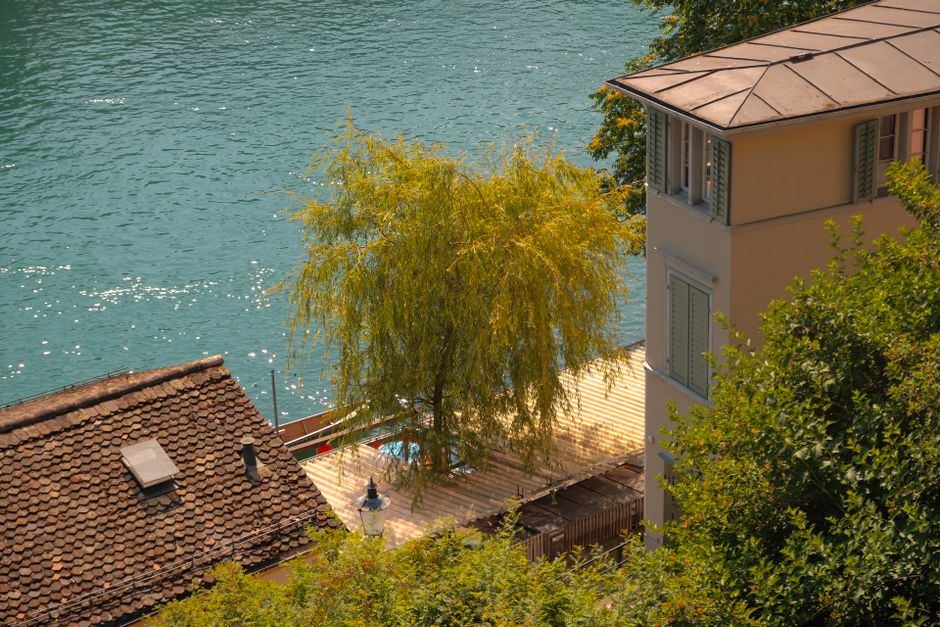
The Limmat riverside has similarly transformed into a social hub, particularly around the Schipfe district. During summer months, the outdoor aperitivo culture takes hold; groups gather on the quays with Spritzers and local wines, creating an almost Mediterranean vibe incongruous with Zurich's reputation for reserve. This seasonal ritual reflects something deeper about neighbourhood identity—a collective agreement that unstructured socialising matters as much as curated experiences.
Data from the Zurich Tourism Board suggests that approximately 62% of nightlife activity occurs within neighbourhoods rather than traditional entertainment zones, a figure that has grown steadily since 2022. This decentralisation reveals shifting priorities: locals increasingly prefer venues within walking distance of their residential areas, places where bartenders remember names and conversations can meander across hours without obligation.
What distinguishes Zurich's approach is the absence of aggressive commercialisation. Most neighbourhood bars maintain consistent ownership, operating philosophies rooted in creating gathering spaces rather than maximising turnover. The Kreis 5 area, historically industrial, now hosts some of the city's most characterful bars—venues that honour their heritage while welcoming the young professionals reshaping the district's identity.
The summer of 2026 finds these spaces busier than usual, perhaps reflecting a collective hunger for connection in an increasingly digital age. Yet the underlying principle remains unchanged: Zurich's bar scene thrives because it prioritises neighbourhood texture—the kind of social fabric that develops through consistency, accessibility, and genuine community rather than marketing muscle.
This article was compiled by AI from the sources linked above and screened before publishing. See our editorial standards.