Moving to Zurich's Best Neighbourhoods: A Cost and Access Guide Before You Go
From gritty Wiedikon to polished Leimbach, we break down what you'll actually pay, how to get around, and what each district really offers.
From gritty Wiedikon to polished Leimbach, we break down what you'll actually pay, how to get around, and what each district really offers.
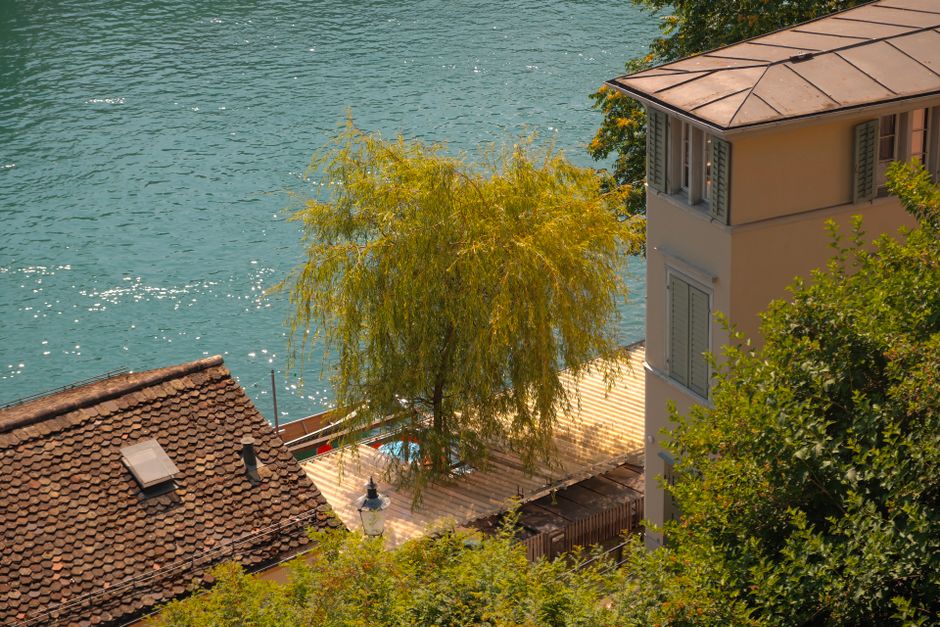
Zurich's neighbourhood landscape has shifted dramatically since 2020, with younger professionals increasingly priced out of traditional districts and seeking alternatives in the city's outer rings. Before committing to a move, here's what you genuinely need to know about cost, accessibility, and community vibrancy across Zurich's distinct quarters.
The Premium Core: Seefeld and Hottingen
If lakeside living appeals, expect to pay 2,800–3,400 CHF monthly for a modest one-bedroom apartment in Seefeld. These neighbourhoods offer direct access to the lake via Strandbad Mythenquai and established shopping on Bahnhofstrasse, but the trade-off is density and noise. The Uetliberg forest lies within walking distance, providing respite. Tram lines 2 and 8 connect efficiently to the city centre in under 15 minutes.
The Creative Sweet Spot: Wiedikon and Altstetten
This is where young Zurichers actually live. Wiedikon's street art-lined Heinrichstrasse pulses with galleries, vintage shops, and casual cafés—yet one-bedroom rentals range from 2,100–2,600 CHF. The neighbourhood's community spirit centres around the Kulturhaus Helferei and weekly markets. Altstetten, slightly more affordable (1,900–2,400 CHF), boasts better public transport connectivity via the main train station and serves as a genuine residential hub rather than a tourist destination. Both neighbourhoods sit 20 minutes from downtown via tram.
The Emerging North: Aussersihl and Schwamendingen
Rents dip further here—expect 1,800–2,300 CHF for comparable space. Schwamendingen, increasingly gentrified, offers the Hallenstadion cultural venue and green pathways along the Limmat. Aussersihl remains grittier but more affordable, with Turkish and Eastern European communities creating authentic street markets. Integration into central Zurich takes 20–25 minutes via tram or bus networks that radiate from Hauptbahnhof.
Essential Access Considerations
A monthly Zurich public transport pass (GA monthly) costs around 110 CHF for city-only travel. Cycling is ubiquitous—budget 200–400 CHF for a reliable second-hand bike from shops like Pro Velo. Car ownership is expensive and largely unnecessary; parking permits alone run 350+ CHF monthly in central areas.
Community Infrastructure Matters
Before signing a lease, visit neighbourhood restaurants and check whether local Quartier associations exist—many host monthly forums addressing housing, schools, and safety concerns. Libraries and swimming halls cluster across districts, ensuring equal access to civic life regardless of where you settle.
The reality: Zurich remains costly everywhere, but strategic neighbourhood choice can ease the transition and connect you with genuine community rather than transient tourist zones.
This article was compiled by AI from the sources linked above and screened before publishing. See our editorial standards.
How does this story make you feel?
Spread the word
About this article
Published by The Daily Zurich
Daily brief
Free, in your inbox before 7am. Weekdays.
More in lifestyle