Walk into any neighbourhood bar in Zurich on a Friday evening, and you'll witness something increasingly rare in our globalised metropolis: the slow formation of genuine community. It's not staged or Instagram-ready. It's the bartender who knows your name by visit three, the regular who introduces newcomers, the conversations that span languages and decades.
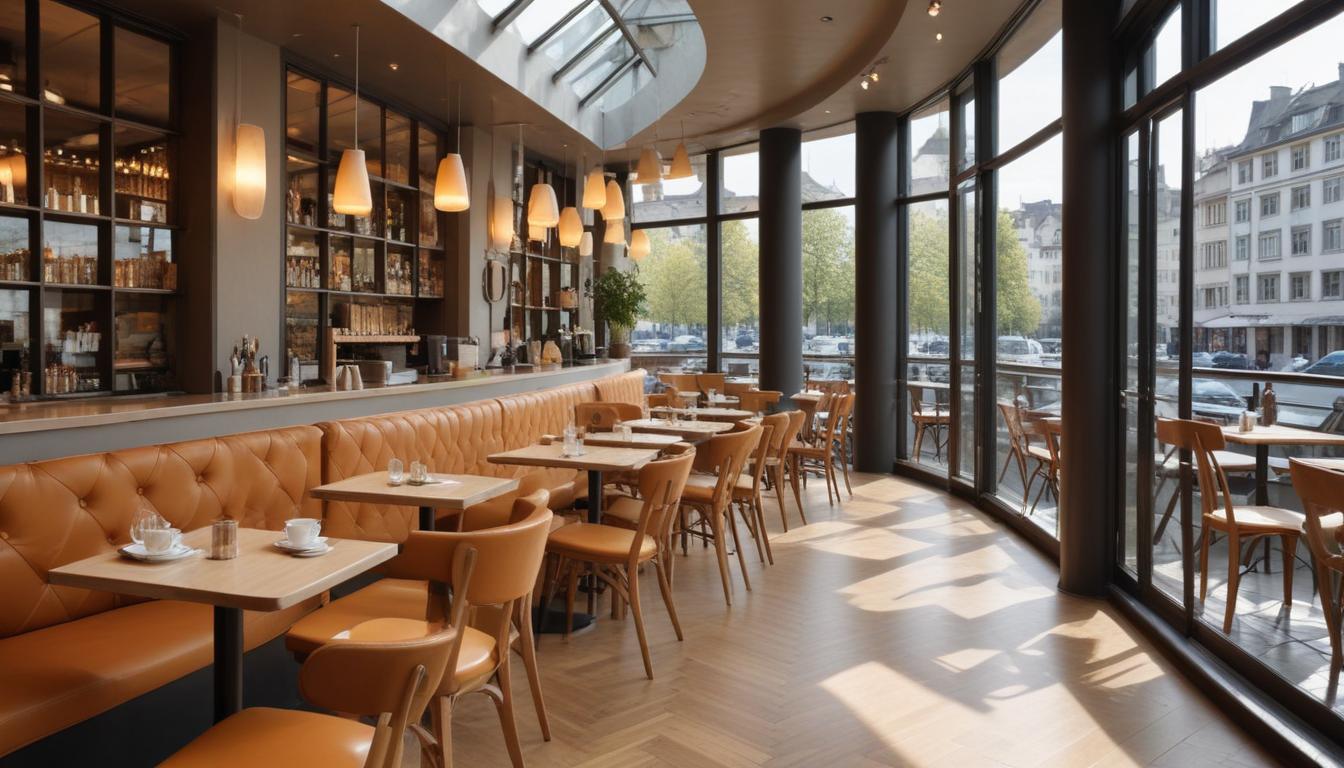
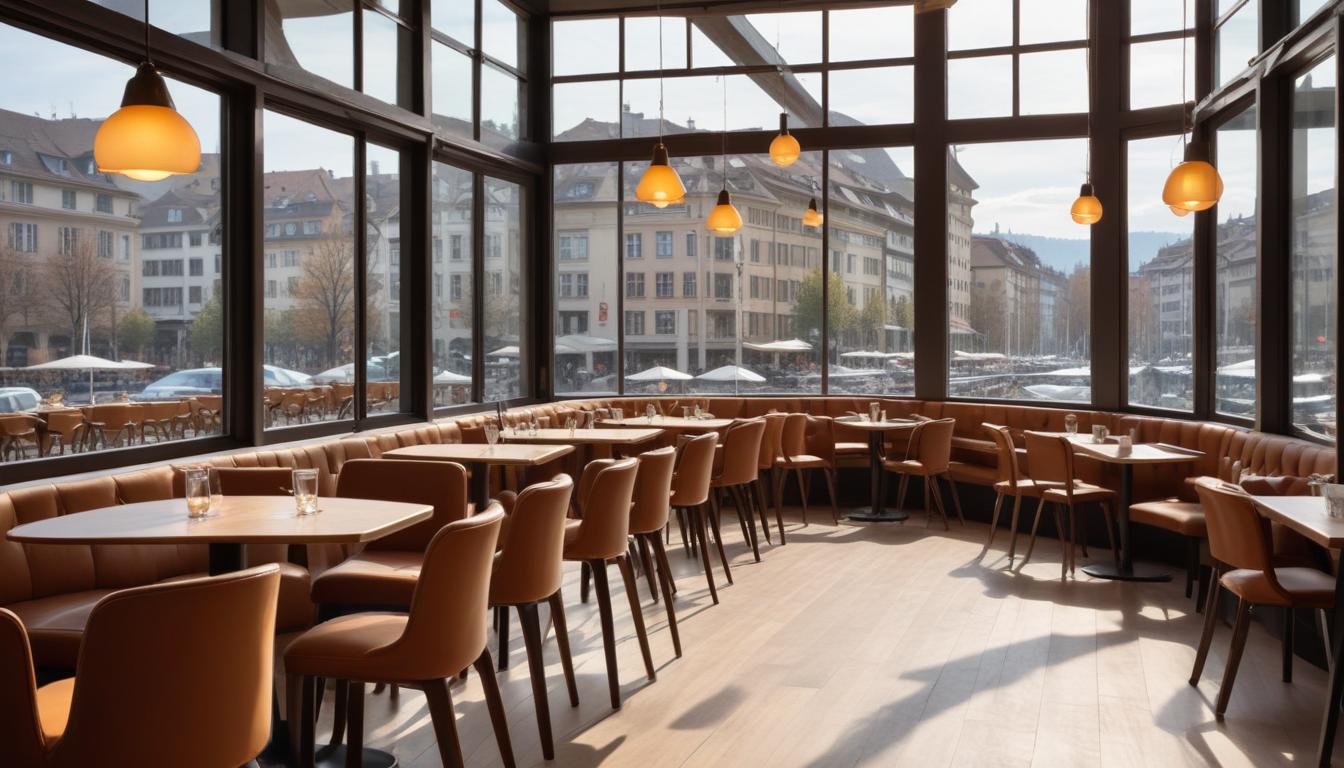
Wiedikon has become the epicentre of this phenomenon. Along Heinrichstrasse and its surrounding streets, a collection of intimate venues—many under 50 seats—have cultivated fiercely loyal local followings. These aren't destination bars; they're neighbourhood living rooms. Prices hover around 6-8 francs for a beer, deliberately keeping them accessible to the mixed demographic of students, artists, retirees, and young families who call the area home. The character here is deliberately unglamorous: mismatched furniture, local art on walls, community notice boards advertising everything from language exchanges to folk concerts.
Contrast this with Kreis 5, where the bar landscape tells a different neighbourhood story entirely. Former industrial spaces along Geroldstrasse have been converted into sleeker venues attracting a younger, more transient crowd—tech workers, creatives, international professionals. Prices reflect this shift: craft cocktails at 16-18 francs. Yet even here, something resembling community persists. Regular industry nights, pop-up collaborations with local galleries, and the deliberate curation of neighbourhood-focused events suggest that even Zurich's hipper quarters are resisting the sterility of pure commercialism.
The statistics tell an interesting story. According to recent hospitality surveys, Zurich's bar scene has contracted by roughly 12% since 2020, yet neighbourhood-focused establishments have proven more resilient than city-centre venues. This counterintuitive trend suggests that locals increasingly value proximity and familiarity over prestige or novelty.
What's particularly striking is the intergenerational mixing. Unlike cities where bars segment sharply by age demographic, Zurich's neighbourhood bars often blur these lines. A Tuesday evening might feature pensioners playing cards next to startup employees working on laptops, with service industry staff from nearby restaurants arriving after midnight. It's unglamorous social cohesion.
As Zurich grapples with housing costs, urban density, and the atomising effects of remote work, these neighbourhood bars serve an understated but vital function. They're where the city maintains its social fabric—not through grand gestures or expensive venues, but through the simple, persistent act of gathering in the same place, night after night, until strangers become community.
This article was compiled by AI from the sources linked above and screened before publishing. See our editorial standards.