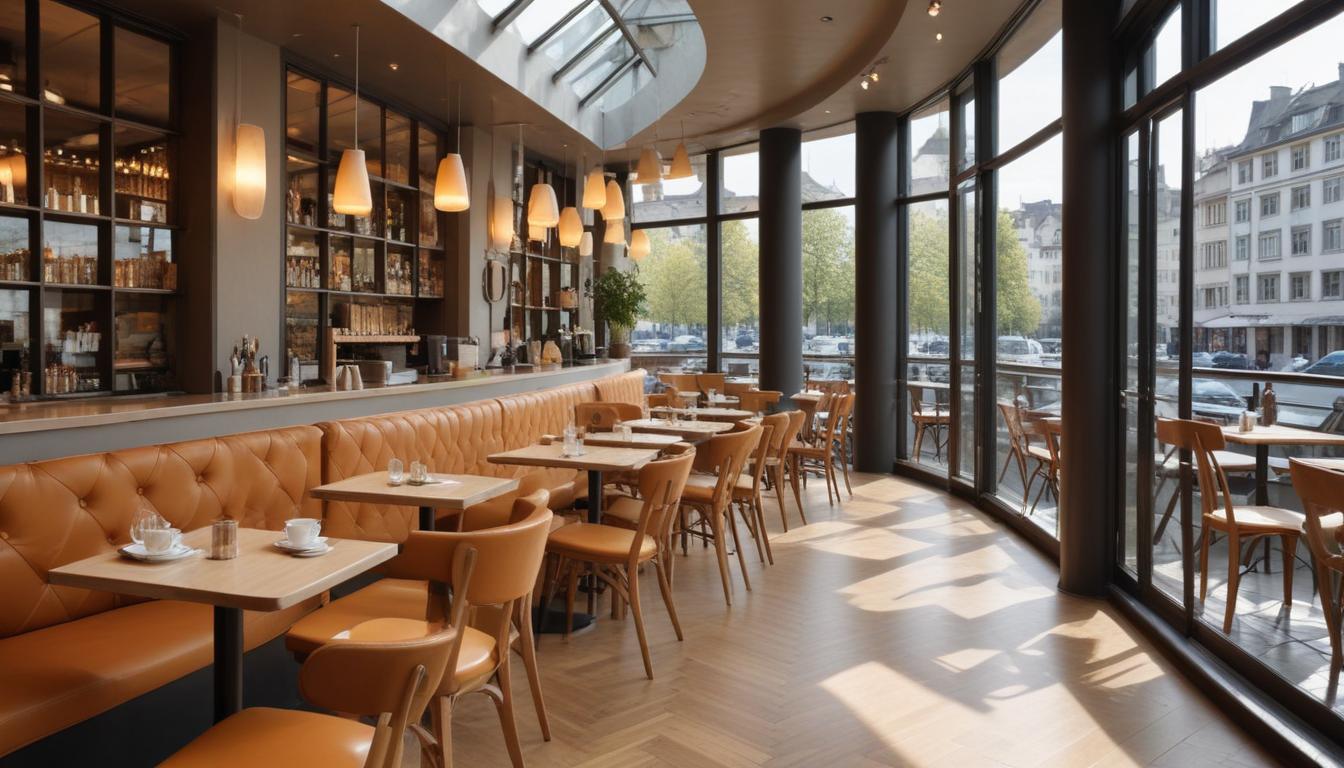
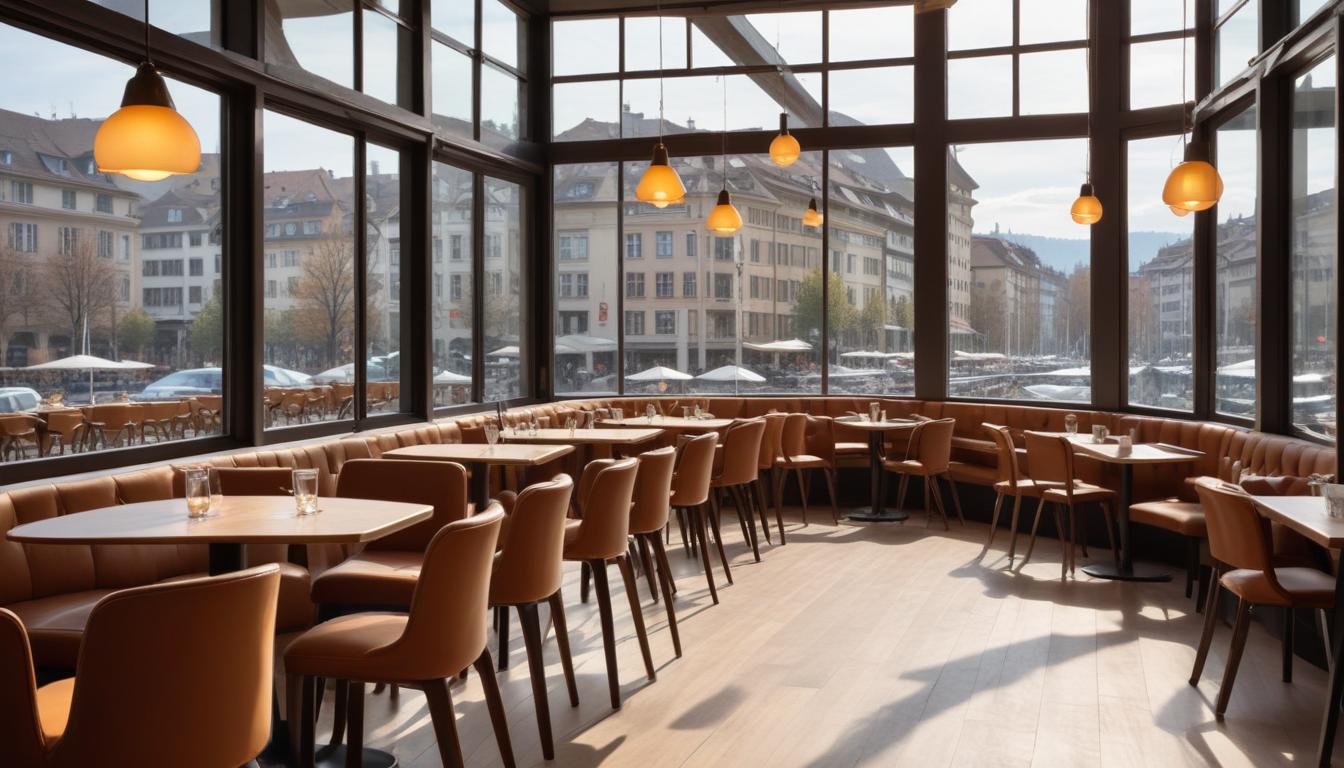
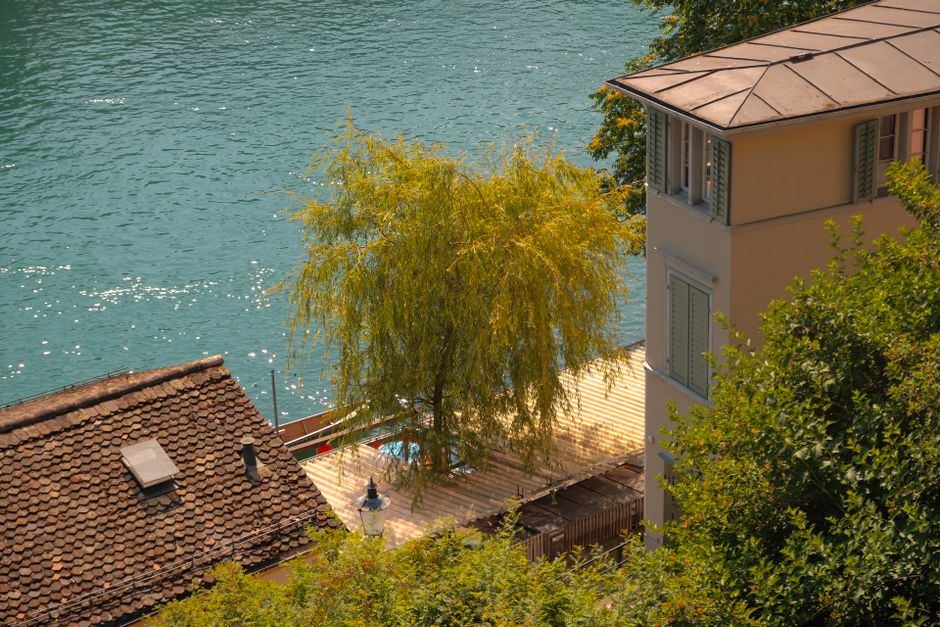
Walk through Wiedikon on any Friday night and you'll notice something has shifted. Where once the bar scene felt dominated by sleek, expensive cocktail lounges catering to finance types, there's now a palpable energy around smaller, neighbourhood-focused establishments that prioritise conversation over spectacle. This isn't coincidence. Zurich's nightlife has undergone a quiet but significant transformation in the past 18 months, and locals are noticing.
The change reflects broader patterns. Rising costs—a typical craft cocktail now hovers around 18–22 CHF compared to 15 CHF three years ago—have pushed casual drinkers toward wine bars and casual beer venues. Simultaneously, a new generation of bar owners has deliberately moved away from the high-volume, high-margin model. Instead, they're opening smaller operations on side streets in Aussersihl and around Langstrasse, focusing on quality relationships with regulars rather than tourist throughput.
"People want to actually talk again," observes the changing demographic patterns in establishments from Kreis 5 to the Limmatquai. Venues with 30–50 seats are outperforming larger clubs. Wine bars proliferated across the city—particularly natural wine specialists in the Europaallee area near Zurich West—attracting a crowd interested in conversation and discovery rather than posturing. Many now operate as hybrid spaces: part wine shop, part tasting room, open until midnight on weekends.
Neighbourhood identity matters more than it did. Seefeld residents frequent their local corner bar for an early evening drink; Altstetten's younger professionals cluster around spots with DJs playing funk and soul rather than chart hits. The Industrie Quartier, once written off as post-industrial, has become a magnet for late-night venues precisely because rents allowed experimental programming—live music, poetry readings, club nights with actual curation.
The pandemic's legacy lingers too. Many venues downsized permanently and discovered they preferred it. Smaller overhead meant lower drink prices, more sustainable business models, and staff retention improved dramatically. Some bars report 40–50% of their customer base now consists of regulars with genuine relationships to venue owners and staff.
Social activities have shifted alongside drinking culture. Board game nights, language exchanges, and topical discussion groups now anchor weeknight attendance. Several venues have formalised these, partnering with cultural organisations like the Migros Culture Percentage program.
For Zurich locals weary of expensive, soulless nightlife, this moment feels like reclamation. The city's bar scene, long criticised as sterile and exclusive, is becoming porous again—defined by neighbourhood character, genuine hospitality, and the simple pleasure of being known when you walk through the door.
This article was compiled by AI from the sources linked above and screened before publishing. See our editorial standards.