Building Tomorrow Together: The Families Shaping Zurich's Schools
From the playgrounds of Wiedikon to the classrooms of the Limmattal, Zurich's parents and educators are crafting a distinctly Swiss approach to raising the next generation.
From the playgrounds of Wiedikon to the classrooms of the Limmattal, Zurich's parents and educators are crafting a distinctly Swiss approach to raising the next generation.
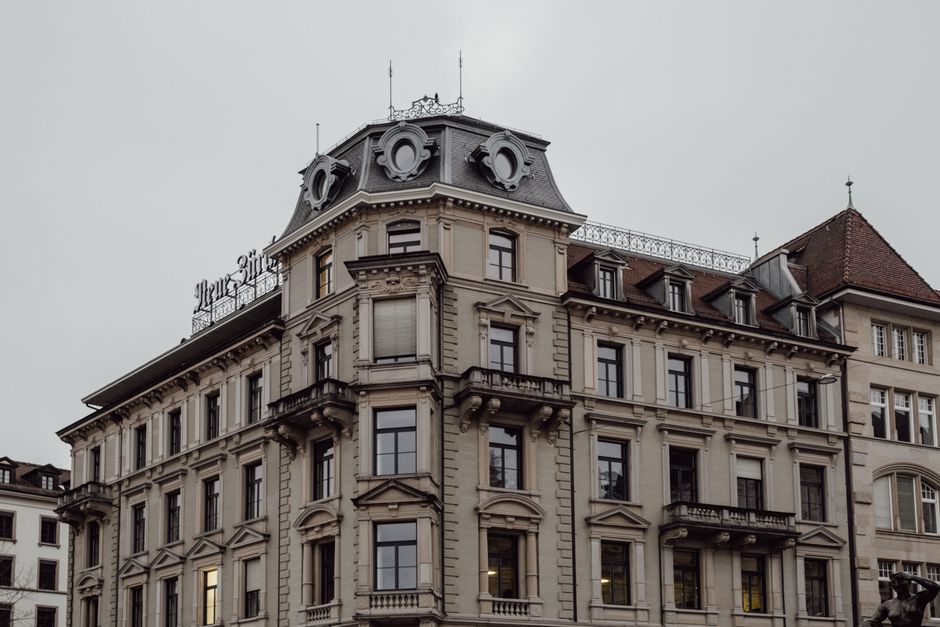
On a Tuesday morning in the Aussersihl district, the courtyard of Schulhaus Waisenhaus fills with the polyglot chatter of children arriving for lessons. Among the parents dropping off their kids stands a community that defies any single narrative about Swiss family life—one where tradition and innovation, privilege and pragmatism, coexist in ways that make Zurich's education landscape uniquely compelling.
Switzerland's education system ranks among Europe's finest, but what truly distinguishes Zurich is how its families navigate the country's famously decentralized approach. With tuition-free state schools funded by progressive taxation, the city's reputation attracts ambitious parents from across the globe. Yet alongside international arrivals settling in Enge and Seefeld, multi-generational Swiss families continue shaping school cultures that balance academic rigour with the Canton's deeply rooted values of independence and civic responsibility.
The transition from Kindergarten through the three-tier secondary system—Gymnasium, Realschule, and Sekundarschule—represents a critical juncture that preoccupies many households. Unlike systems with a single standardized path, Zurich's structure demands that parents and educators make nuanced decisions about each child's trajectory around age twelve. This reality has spawned a thriving ecosystem of parent networks, tutoring services, and educational consultants across districts like Hongg, Witikon, and Leimbach, where parents meet regularly to compare notes on school quality and child development.
What emerges from conversations across Zurich's neighbourhoods is a particular brand of parental engagement—less performative than in some global cities, yet deeply invested. Parents volunteer extensively in school governance; Swiss law mandates parental participation through school councils where fathers and mothers actively shape curriculum and resource allocation. This civic dimension transforms schooling from a transactional service into a shared project.
The city's demographic diversity adds another layer. International schools cluster in premium areas, charging CHF 25,000–40,000 annually, yet many expat families choose state schools, their children integrating into multilingual classrooms where German, French, Italian, and English coexist naturally. Teachers report that this mix enriches learning while occasionally complicating logistics—but most frame it as an asset rather than a burden.
Perhaps most telling is how Zurich's families maintain perspective amid global anxieties. Conversations at cafés in Kreis 3 or along the Uetliberg reveal parents deeply concerned with both academic excellence and something less quantifiable: raising citizens equipped not just to succeed, but to contribute thoughtfully to an increasingly complex world. It's this quiet ambition, rooted in Swiss pragmatism yet animated by cosmopolitan awareness, that makes Zurich's approach to family life distinctive.
This article was compiled by AI from the sources linked above and screened before publishing. See our editorial standards.
How does this story make you feel?
Spread the word
About this article
Published by The Daily Zurich
Daily brief
Free, in your inbox before 7am. Weekdays.
More in lifestyle