Walk through Zurich's distinct neighbourhoods and you'll notice something conspicuously absent: the homogenisation that defines most major cities. While London's gentrification erases character block by block, and New York's boroughs increasingly blur together, Zurich's 34 neighbourhoods—or "Stadtkreise"—maintain fierce, almost defiant individuality. This isn't accident. It's architecture, economics, and civic design working in deliberate harmony.
Start in Wiedikon, where roughly 40 percent of residents live in cooperative housing—a model that sounds quaint until you realise it prevents the speculative frenzy that's destroyed community fabric elsewhere. Here, neighbours aren't transient investors; they're stakeholders. The Giesserei cultural centre, housed in a converted industrial space on Gessnerallee, exemplifies this commitment to shared creative infrastructure. Compare this to Berlin's Kreuzberg, where rising rents have steadily replaced artists with affluent transplants, or Barcelona's Gothic Quarter, now crushed under tourism's weight.
The Kreis 5 renaissance tells another uniquely Zurich story. A decade ago, Industrie Quartier was genuinely marginal—the kind of neighbourhood international visitors never discovered. Today, it's been reclaimed not through top-down redevelopment but through grassroots cultural colonisation: street art, independent galleries, concept restaurants. Yet median rents (approximately 2,800 CHF for a two-bedroom) remain 15-20 percent below central districts, making it actually accessible to creative professionals. San Francisco's Mission District underwent identical gentrification but priced out the very people who revitalised it.
What truly separates Zurich is institutional stability combined with neighbourhood autonomy. The Quartierverein (neighbourhood association) structure gives residents genuine voice in local planning. When Altstetten faced redevelopment pressures, residents didn't merely protest—they shaped outcomes through formalised consultation. Try that in most cities, where planning departments operate from fortified downtown offices.
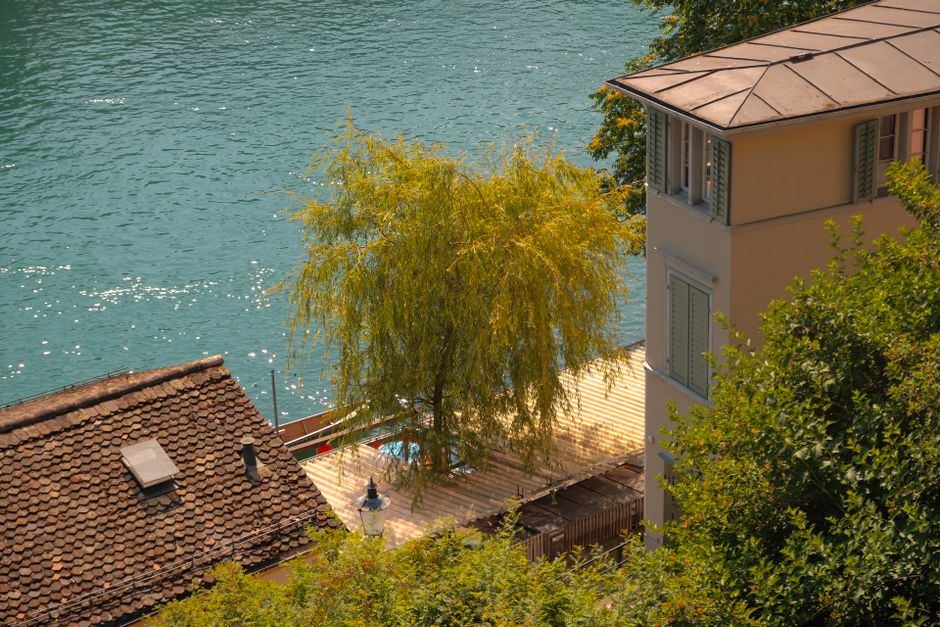
The Lake Zurich foreshore, free and publicly accessible via Mythenquai and beyond, represents another continental rarity: a premium waterfront unmonopolised by commercial interests. Compare to London's Thames embankment, increasingly privatised, or Sydney's Barangaroo, where waterfront access comes with cappuccino prices.
This isn't to claim Zurich is utopian. Housing affordability remains Switzerland's central crisis. But the city has engineered something others haven't: neighbourhood identity as a structural feature, not a nostalgic relic. In an era when global cities feel increasingly interchangeable, that distinction matters profoundly. Zurich doesn't offer escape from modernity—it offers modernity with roots.
This article was compiled by AI from the sources linked above and screened before publishing. See our editorial standards.