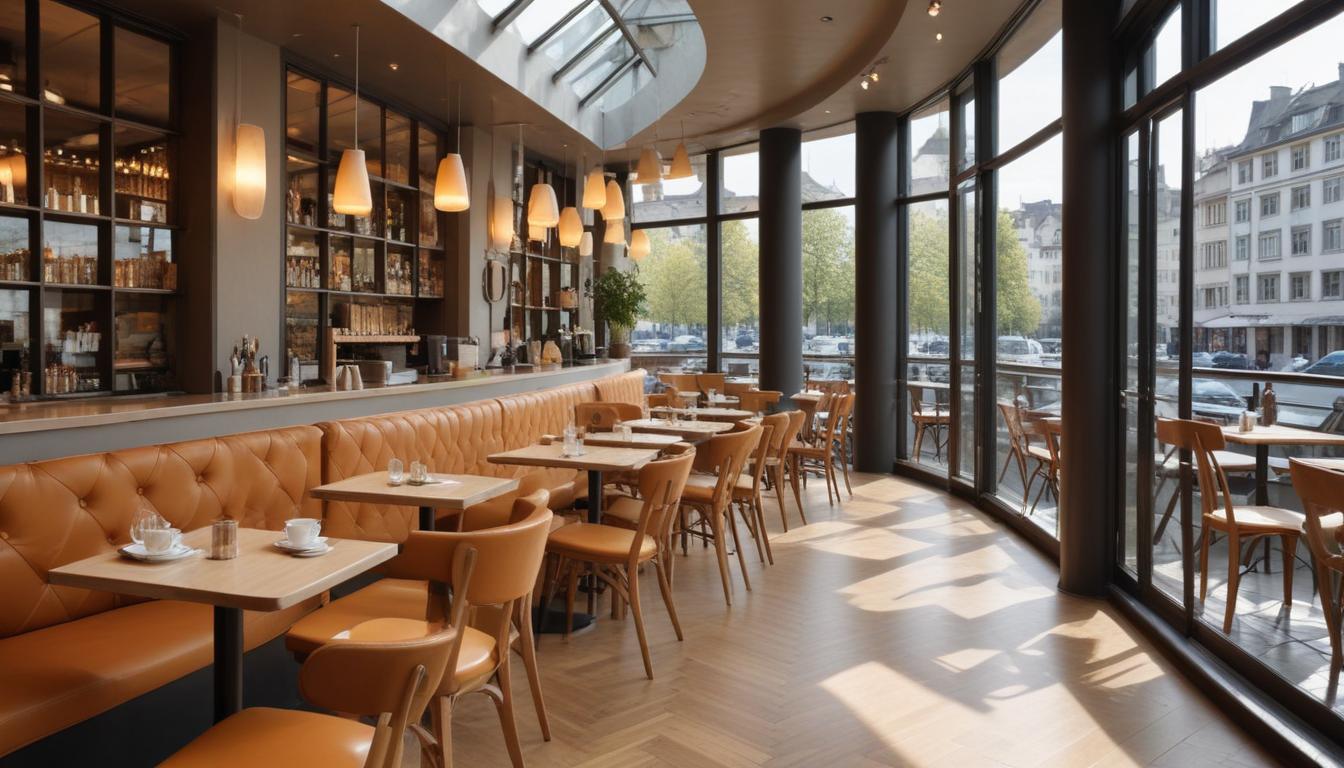
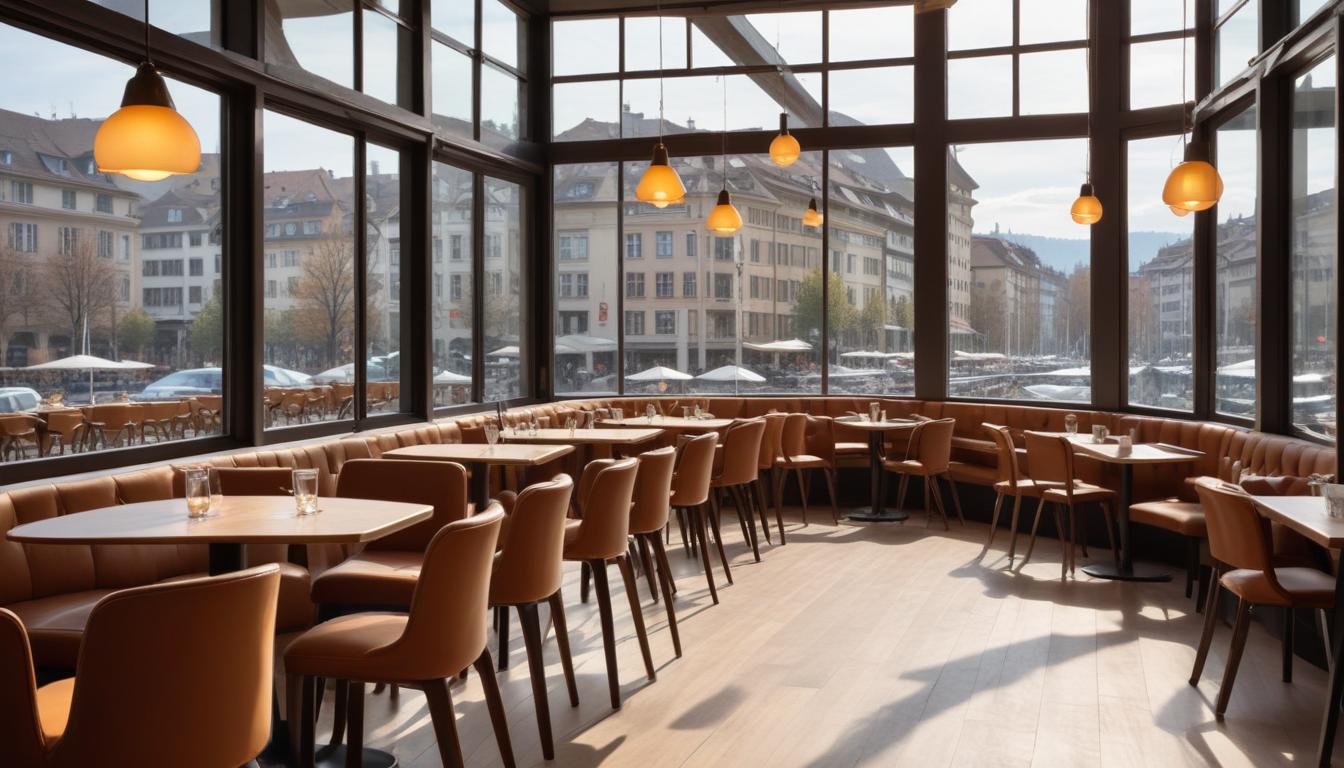
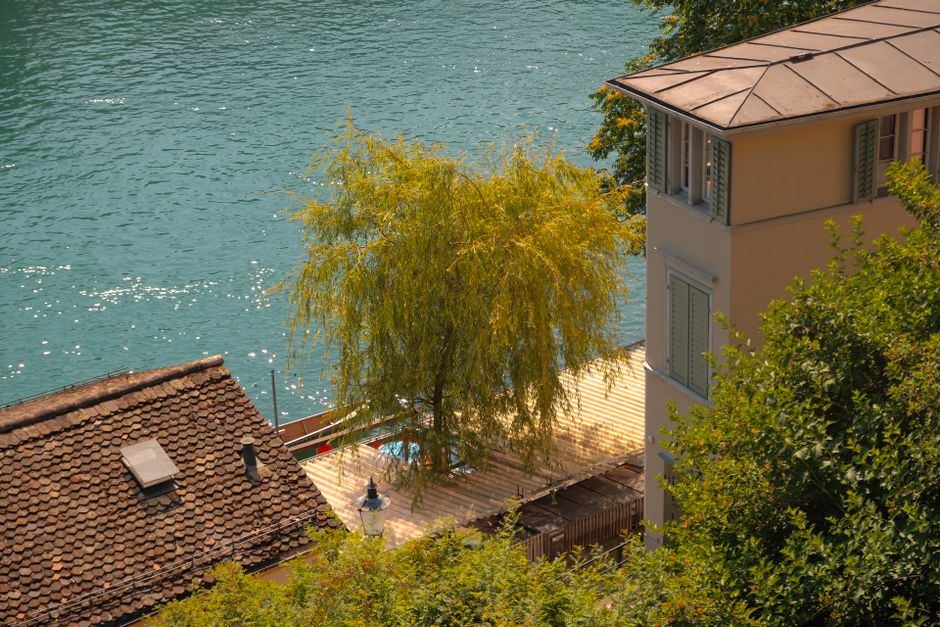
Walk into a bar in Berlin, Barcelona, or Bangkok, and you'll recognise the formula immediately: craft cocktails, Edison bulbs, industrial chic, and a queue snaking down the street by midnight. Now step into Barfüsser on the Limmatquai or Julep in Wiedikon, and you'll understand why Zurich's nightlife scene operates by different rules entirely.
What distinguishes Zurich's social culture isn't flash or volume—it's intentionality. While global cities compete for the loudest, most Instagram-friendly venues, Zurich's bar proprietors have quietly built something more durable: spaces designed for genuine conversation, craftsmanship, and community rather than conquest. The difference is palpable and deliberate.
Consider the economics. Zurich's licensing framework and real estate costs naturally filter out chain establishments and disposable concepts. A cocktail here runs CHF 18–24, compared to EUR 12–15 in major European capitals. That premium buys something specific: bartenders who spent years mastering their craft, often trained in-house, rather than following corporate playbooks. At venues like The Rössli or Africola, the owner's presence matters. These aren't franchises; they're personal projects.
The neighbourhood structure itself resists monoculture. Kreis 4 thrums with a younger energy—student bars and casual wine spots clustering around Langstrasse—yet maintains a refreshing lack of pretension. Kreis 5's alternative scene around Drahtschmidihalle preserves creative independence. Meanwhile, Kreis 7's Wiedikon balances sophistication with accessibility. There's no single «Zurich nightlife»; rather, dozens of distinct social ecosystems.
Perhaps most distinctively, Zurich's social rhythm follows a different temporal logic. The city largely empties by 2 a.m., not because of regulations, but cultural preference. Aperitif culture dominates—the idea of drinks as social punctuation rather than the evening's entire point. This isn't seen as limitation but sophistication. Quality of experience supersedes quantity of hours.
Inclusivity operates differently too. While other global cities stratify by price point or exclusivity, Zurich's bars tend toward egalitarian mixing. A banker and an artist might be at adjacent tables at Shuka or Sprüngli, not because of intentional diversity programming, but because the city's compact geography and integrated social fabric naturally produce it.
The nightlife scene's final distinguishing feature: restraint. There's entrepreneurial ambition here, certainly, but it's tempered by Swiss values around sustainability, regulation, and community wellbeing. Late-night venues must navigate strict noise ordinances and licensing. Rather than fighting this, Zurich's hospitality sector has evolved within these constraints—creating something that works within civic culture rather than against it.
In a world chasing ever-louder novelty, Zurich's nightlife offers something radical: the confidence to be quietly, uncompromisingly excellent.
This article was compiled by AI from the sources linked above and screened before publishing. See our editorial standards.