Five years ago, Wiedikon was still primarily known as the city's creative quarter—a place where artists and students gathered in modest cafés along Brunnenstrasse. Today, the neighbourhood is experiencing a demographic shift that's reshaping how families approach parenting and education in Zurich. Young parents priced out of Wollishofen and Hongg are discovering that Wiedikon offers something increasingly rare in central Zurich: space, affordability, and a growing ecosystem of alternative family services.
The catalyst has been steady: rental prices in Wiedikon have climbed roughly 12 per cent since 2021, but remain 20–25 per cent lower than in neighbouring districts. This has drawn young families who might otherwise have relocated to outer suburbs like Schlieren or Dietlikon. "We've seen a generational turnover," says one established local community centre coordinator. "Families now comprise nearly 40 per cent of our membership."
What's particularly striking is how these newcomers are reshaping the educational landscape. Three new Montessori-inspired learning collectives have opened in converted townhouses along Widdersteinstrasse since 2023. Meanwhile, the district's three public schools—Schule Freilager, Schule Waid, and Schule Wihelmstrasse—have begun introducing expanded outdoor learning programmes and bilingual offerings to reflect changing parental priorities.
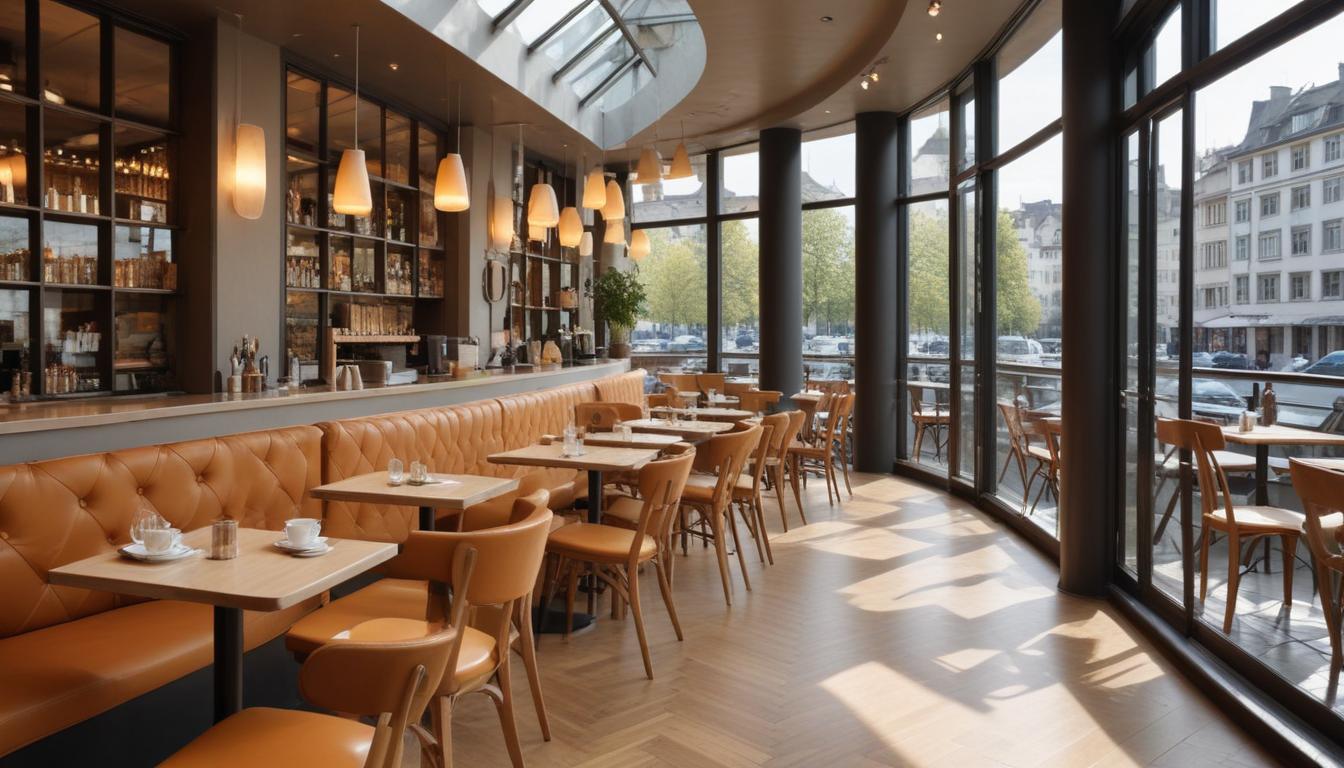
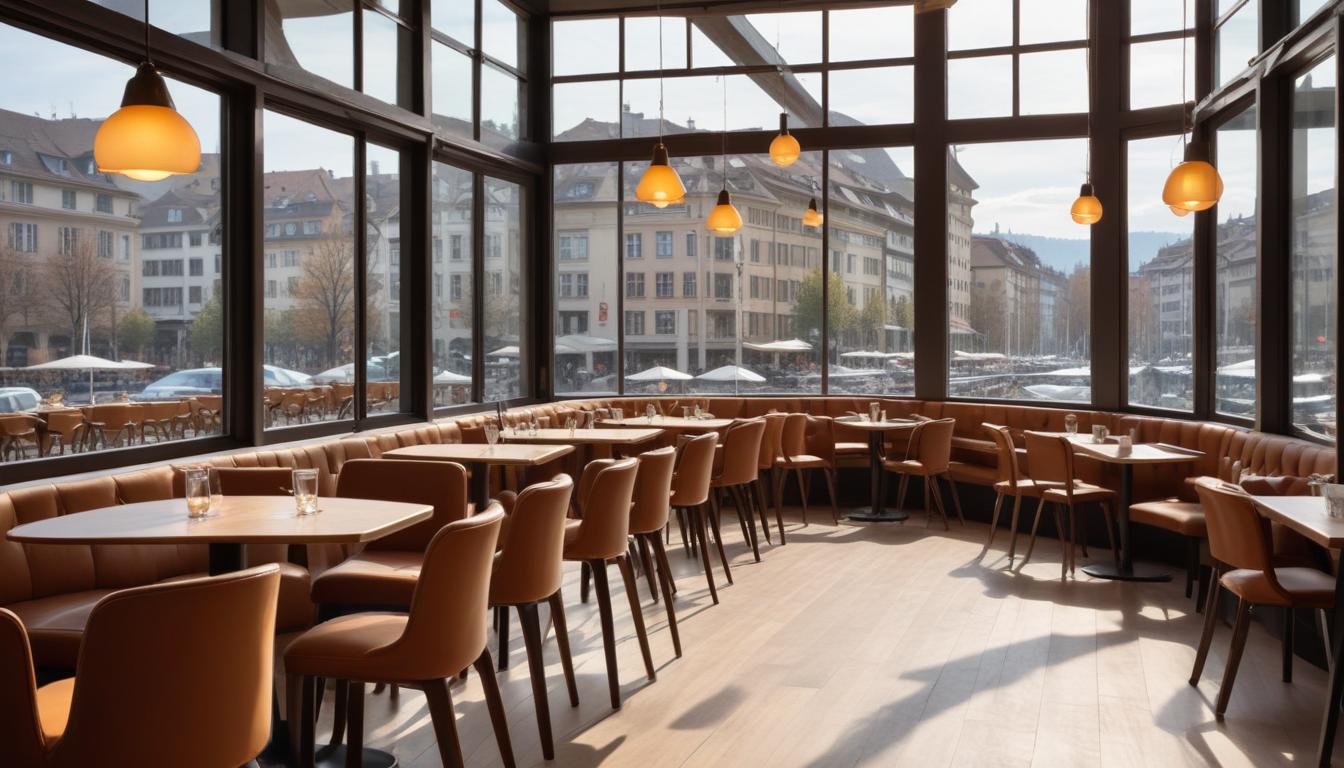
The neighbourhood's café culture has evolved accordingly. Venues like those around Helvetiaplatz now offer parent-and-child programming that would have seemed inconceivable a decade ago: morning storytelling sessions, wellness circles, and skill-sharing workshops. Local organisations have established multiple parenting support networks, from lactation consultation groups to workshops on multilingual child-rearing—reflecting the neighbourhood's increasingly international demographic.
Yet this transformation brings tensions. Long-time residents lament the loss of grittier, artist-friendly spaces as renovation accelerates. Several beloved independent shops have been replaced by family-oriented boutiques and organic grocers. The price of monthly childcare—around CHF 2,400–2,700 for full-time spots—remains steep despite neighbourhood affordability advantages.
Still, Wiedikon's evolution reflects something larger about contemporary Zurich: how families are consciously choosing neighbourhoods based on values like community engagement, educational flexibility, and sustainable living. As school waiting lists grow and parent collectives multiply, it's clear this shift is no temporary trend. For parents seeking to parent differently in Switzerland's most expensive city, Wiedikon has become an unlikely answer—one that's reshaping the neighbourhood block by block.
This article was compiled by AI from the sources linked above and screened before publishing. See our editorial standards.