On any Saturday morning, Zurich's parks tell the story of the city's distinct neighbourhood identities—and they're far more than manicured lawns. Walk through Utoquai along the Limmat in Zurich West and you'll encounter young families cycling past renovated industrial buildings, while Irchelpark near the university draws students sprawling across meadows with notebooks and coffee cups. Each green space functions as an unwritten chronicle of its surrounding community.
Wiedikon, traditionally one of Zurich's more working-class districts, has undergone a quiet transformation centred around its parks. The Waldriedhof area—a former industrial zone now anchored by mixed-use developments—has become a magnet for young professionals seeking affordable proximity to the city centre. The adjoining woodland trails and pocket parks foster a distinctly different vibe from the manicured elegance of Zurichberg's forest paths, where residents enjoy quieter, older-money charm. "Zurich's neighbourhoods express themselves through how they use green space," explains the Grün Stadt Zürich initiative, which manages over 2,200 hectares of public parks and natural areas.
Aussersihl, the city's most demographically diverse district with over 60% non-Swiss residents, showcases this most vividly. Schaffhauserplatz has evolved into a genuine community hub—where regular markets blend with informal gatherings, creating authentic street life often absent in sterile urban centres. The nearby Schrebergärten (allotment gardens) represent another layer: over 1,000 individual plots across Zurich where residents cultivate vegetables and maintain small community structures. Annual membership typically costs 150–200 francs, representing both a practical and deeply cultural investment in local identity.
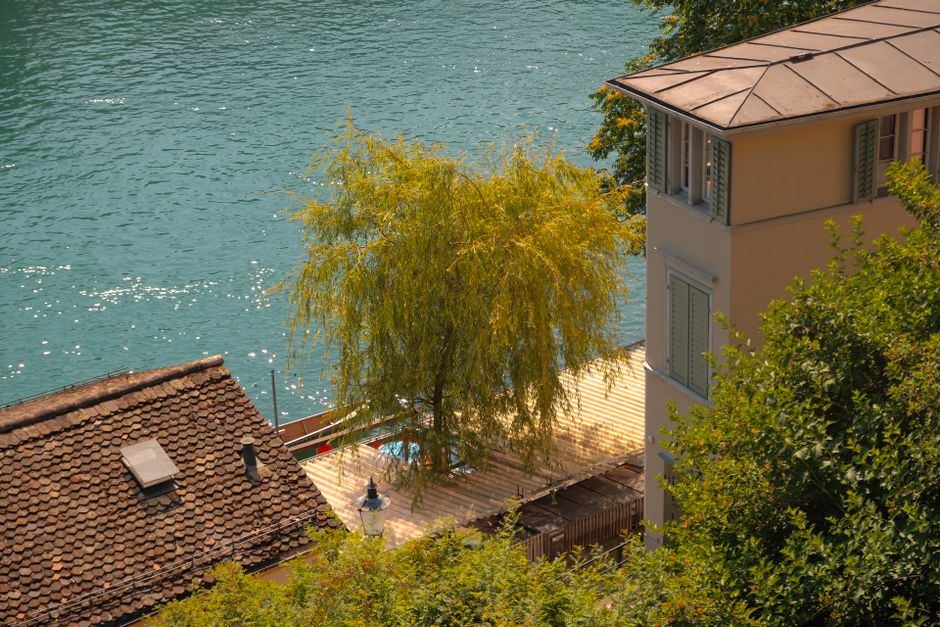
Even the wealthy northern districts reveal character through their green spaces. Fluntern residents guard their quieter access points to the Zürichberg forest jealously, while Seefeld's lakeside parks attract a more cosmopolitan crowd willing to pay premium rents—property in these areas averages 1.2 million francs for a modest apartment—for waterfront access.
What emerges across these diverse neighbourhoods is a consistent pattern: Zurich's parks aren't backdrop; they're the stage where community identity performs. Whether it's the student culture thriving around ETH's campus parks, the intergenerational Swiss-German traditions in Wiedikon's woodland areas, or the vibrant multicultural street life of Aussersihl's plazas, green spaces function as the invisible architecture holding neighbourhood character together. For visitors seeking authentic Zurich, skipping the standard landmarks and instead spending time in these parks offers something far more revealing: the real city, unfiltered.
This article was compiled by AI from the sources linked above and screened before publishing. See our editorial standards.