Why Zurich's Neighbourhoods Defy the Global City Playbook
From village-like Wiedikon to lakeside Wollishofen, Zurich's distinct quarters offer something rare: cosmopolitan living without sacrificing intimacy.
From village-like Wiedikon to lakeside Wollishofen, Zurich's distinct quarters offer something rare: cosmopolitan living without sacrificing intimacy.
Walk through most major global cities and you'll encounter a familiar pattern: gleaming downtown cores surrounded by either sprawling suburbs or densely packed residential blocks that blur together. Zurich refuses this formula entirely. What makes Switzerland's largest city genuinely distinctive isn't just its wealth or precision—it's how deliberately fragmented it remains, a metropolis of 415,000 people organised around neighbourhoods that function almost like independent villages.
Consider Wiedikon, where Zurich's creative class has quietly settled. Boutique galleries occupy converted warehouses along Quellenstrasse, while the neighbourhood's cooperative housing model—some 25% of Wiedikon's dwellings are owned by non-profit housing associations—keeps rents relatively grounded despite the city's notorious costs (current average: 2,850 CHF monthly for a one-bedroom apartment). Compare this to Berlin or Barcelona, where gentrification has systematically displaced artist communities. Wiedikon's structure actively resists that.
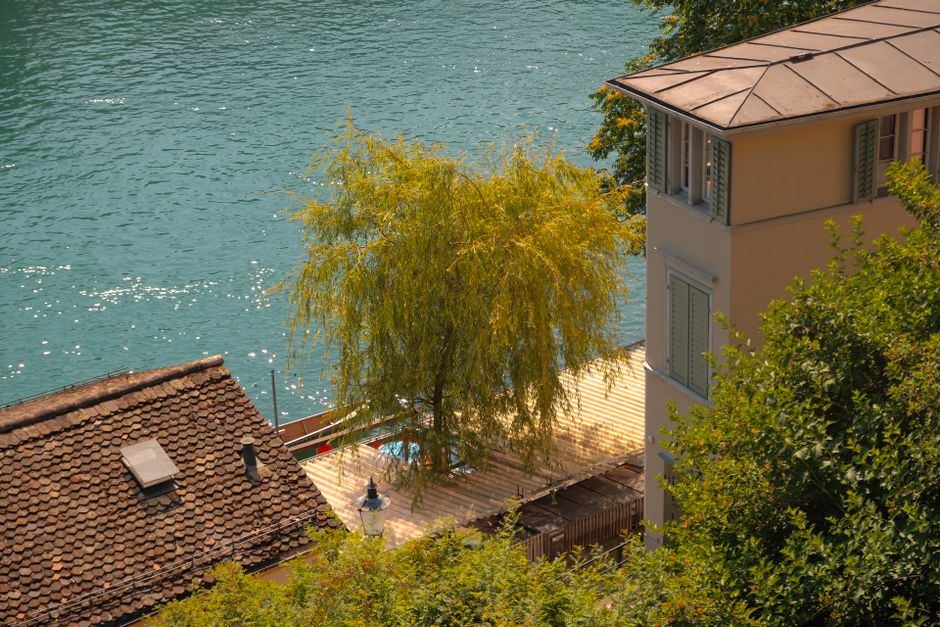
Then there's Wollishofen, perched on Lake Zurich's western edge. Rather than becoming an exclusive waterfront enclave like Miami's Brickell or London's Canary Wharf, it's remained stubbornly mixed-income. Families in modest flats share the lakefront promenade with retirees and young professionals. The Flussbad organic swimming holes—public facilities where locals cool off for 5 CHF—exist nowhere else in this form, reflecting Zurich's unusual commitment to shared public amenities over private development.
The city's neighbourhood identity extends to civic engagement levels that astound international observers. Kreis 4 (Aussersihl) hosts regular community forums where residents vote on how neighbourhood development funds are allocated—a practice common in Zurich's 12 districts but rare globally. It creates genuine accountability between residents and their immediate surroundings.
What ultimately distinguishes Zurich isn't glamour. It's a deliberate resistance to becoming a single, homogenous entity. The Limmatquai waterfront remains accessible rather than privatised. Neighbourhood markets—Wiedikon's Saturday farmers market, the vintage goods bazaar in Aussersihl—haven't been replaced by artisanal food halls. Public transport is so seamlessly integrated (a 90-minute tram ride across the city costs just 3 CHF) that owning a car feels unnecessary rather than fashionable.
In an era when cities increasingly resemble each other, Zurich's greatest luxury isn't its chocolate or banking sector. It's the quiet refusal to sacrifice neighbourhood character for metropolitan status. That distinction, preserved through deliberate civic structures and cultural values, may be the city's most valuable export of all.
This article was compiled by AI from the sources linked above and screened before publishing. See our editorial standards.
How does this story make you feel?
Spread the word
About this article
Published by The Daily Zurich
Daily brief
Free, in your inbox before 7am. Weekdays.
More in lifestyle