Moving to Zurich? Here's What Locals Actually Tell New Arrivals
Expats settling in Switzerland's largest city share their hard-won insights on neighbourhoods, costs, and the unwritten rules that make relocation smooth.
Expats settling in Switzerland's largest city share their hard-won insights on neighbourhoods, costs, and the unwritten rules that make relocation smooth.
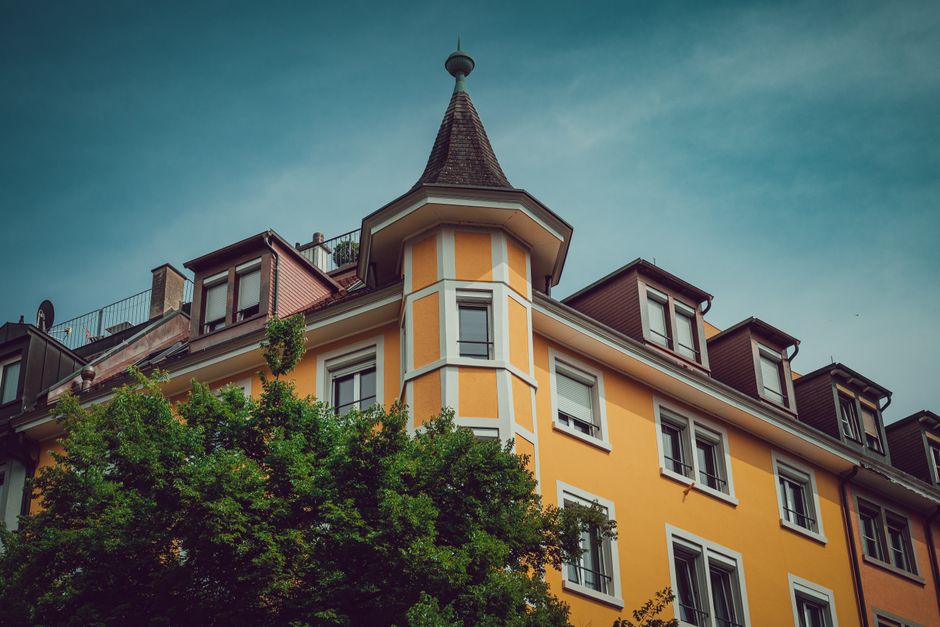
Zurich's reputation precedes it: gleaming lakefront, precision efficiency, and a cost of living that makes even wealthy newcomers wince. But beyond the postcard images, what do people who've actually made the move say matters most?
The consensus among expat communities in Zurich—visible on forums at organisations like the Zurich Expat Centre and informal networks across Wiedikon and Kreis 4—centres on three practical realities. First: start your flat hunt early and be prepared to overpay. A one-bedroom apartment in central neighbourhoods like Europaallee or along the Limmat averages 2,800–3,500 CHF monthly; outer districts like Altstetten or Schwamendingen offer relief at 2,200–2,800 CHF. Second-hand platforms and Facebook groups move faster than formal agencies, locals consistently advise, and securing a place often requires references, proof of income, and visible enthusiasm—sometimes all within 48 hours.
Language shapes daily life more than newcomers expect. While English suffices professionally in banking and tech sectors, German proficiency opens doors socially and administratively. The Swiss German dialect—quite different from standard German—initially baffles many. Locals recommend evening courses at Volkshochschule Zurich; pragmatists accept that integration happens slowly and that expat bubbles (particularly around Oerlikon's international schools and lakeside cafés) are normal stepping stones.
Public transport deserves its stellar reputation, but the Swiss half-price card (GA equivalent) costs 3,850 CHF annually—a genuine expense. Bike culture rivals Amsterdam's; a used Citybike from local shops runs 150–400 CHF and transforms neighbourhood access. Those planning to drive should factor insurance, petrol, and parking: residential permits in Altstadt or Seefeld are notoriously scarce, and monthly parking spots exceed 300 CHF.
Banking, tax registration, and health insurance require patience. The Cantonal Office (Amt für Soziales) handles residency permits; processing takes 4–8 weeks. Health insurance is mandatory and non-negotiable—private providers charge 300–600 CHF monthly depending on deductibles.
Socially, Zurich's famous reserve is real but thawing. Joining clubs—whether running groups, yoga studios in Kreis 7, or hobby societies—accelerates friendships far more than random bar encounters. Weekend walks around the Uetliberg or swimming in the Limmat in summer are communal rituals worth adopting.
Finally, locals universally recommend embracing the work-life balance philosophy. Zurich empties Friday afternoons and summers; trying to maintain relentless hustle is seen as earnest but misguided. The city rewards those who integrate its rhythms, not fight them.
This article was compiled by AI from the sources linked above and screened before publishing. See our editorial standards.
How does this story make you feel?
Spread the word
About this article
Published by The Daily Zurich
Daily brief
Free, in your inbox before 7am. Weekdays.
More in lifestyle