Zurich's Lakefront Parks Are Shifting From Passive Refuge to Active Social Hub
As demand for outdoor community spaces surges, iconic green zones from Mythenquai to Tiefenbrunnen are being redesigned to balance recreation, wellness, and socialising.
As demand for outdoor community spaces surges, iconic green zones from Mythenquai to Tiefenbrunnen are being redesigned to balance recreation, wellness, and socialising.
Walk along the Zürichsee on any summer evening and you'll notice something distinctly different from five years ago. The parkland that once served primarily as a jogging route or quiet contemplation space now hums with activity: yoga classes sprawl across the grass at Mythenquai, stand-up paddleboarders launch from designated zones, and pop-up food vendors cluster near beach volleyball courts that barely existed a decade earlier.
Zurich's parks are undergoing a quiet revolution. What began as modest upgrades to recreational facilities has evolved into a comprehensive reimagining of how the city's 400-plus hectares of green space function as social infrastructure.
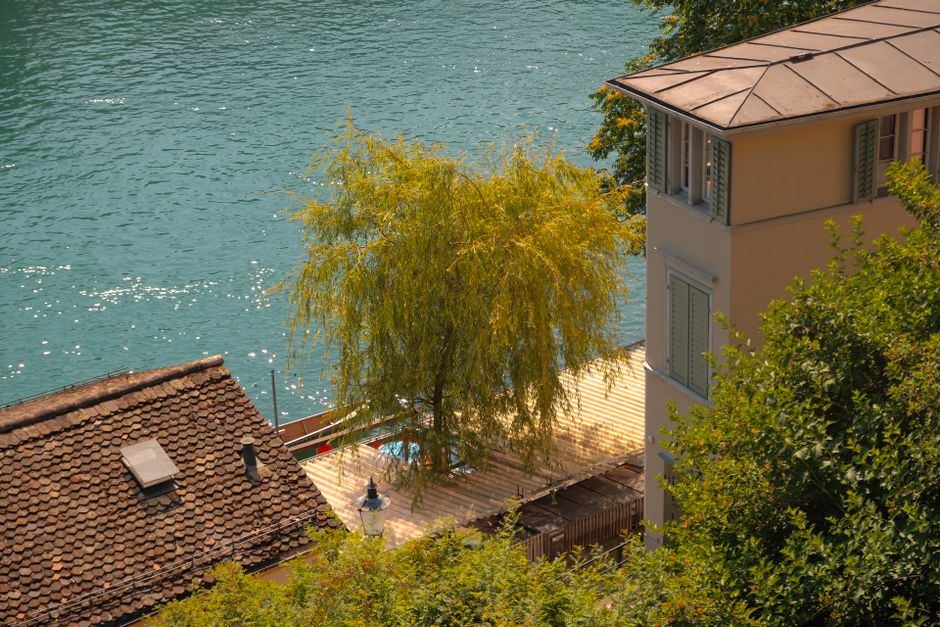
The shift is most visible along the city's lakefront. The Tiefenbrunnen lido district, traditionally a summer bathing destination, now operates year-round wellness programming. The Altstetten district's newly redesigned Grünau park—which reopened in March after an 18-month renovation—now features modular gathering spaces designed explicitly for community events, moving beyond its previous role as passive green infrastructure.
This evolution reflects broader demographic pressures. Zurich's population has grown to approximately 440,000 residents, with density in central districts like Kreis 6 intensifying significantly. Post-pandemic, demand for accessible outdoor space exploded. According to the city's 2025 parks usage survey, weekday afternoon visits to major green zones increased by 34 percent compared to 2019 figures.
The economic implications are tangible. Municipal investment in park infrastructure nearly doubled between 2022 and 2026, with major projects across Werdmüller Park, the Schanzengraben, and outlying green corridors receiving significant funding. Private sector engagement has followed—local wellness companies, hospitality groups, and sports organisations now operate concessioned services within public parks, a model that was substantially rarer pre-2020.
Yet this intensification raises questions about accessibility and character. While improved facilities and programming attract younger, more affluent residents, some longtime park users express concern about commercialisation creeping into previously tranquil spaces. The introduction of ticketed wellness classes and premium food vendors represents a subtle but meaningful shift from parks as universally accessible commons.
City planners argue the changes are necessary. Zurich's Parks Department reports that maintaining green spaces within budget constraints increasingly requires revenue-generating activities. The emerging model—hybrid parks that blend free access, community programming, and commercial services—reflects pragmatic adaptation to urban growth and fiscal reality.
As Zurich's outdoor culture continues evolving, the challenge remains clear: expand access and activity while preserving the contemplative qualities that made these spaces valuable in the first place.
This article was compiled by AI from the sources linked above and screened before publishing. See our editorial standards.
How does this story make you feel?
Spread the word
About this article
Published by The Daily Zurich
Daily brief
Free, in your inbox before 7am. Weekdays.
More in lifestyle