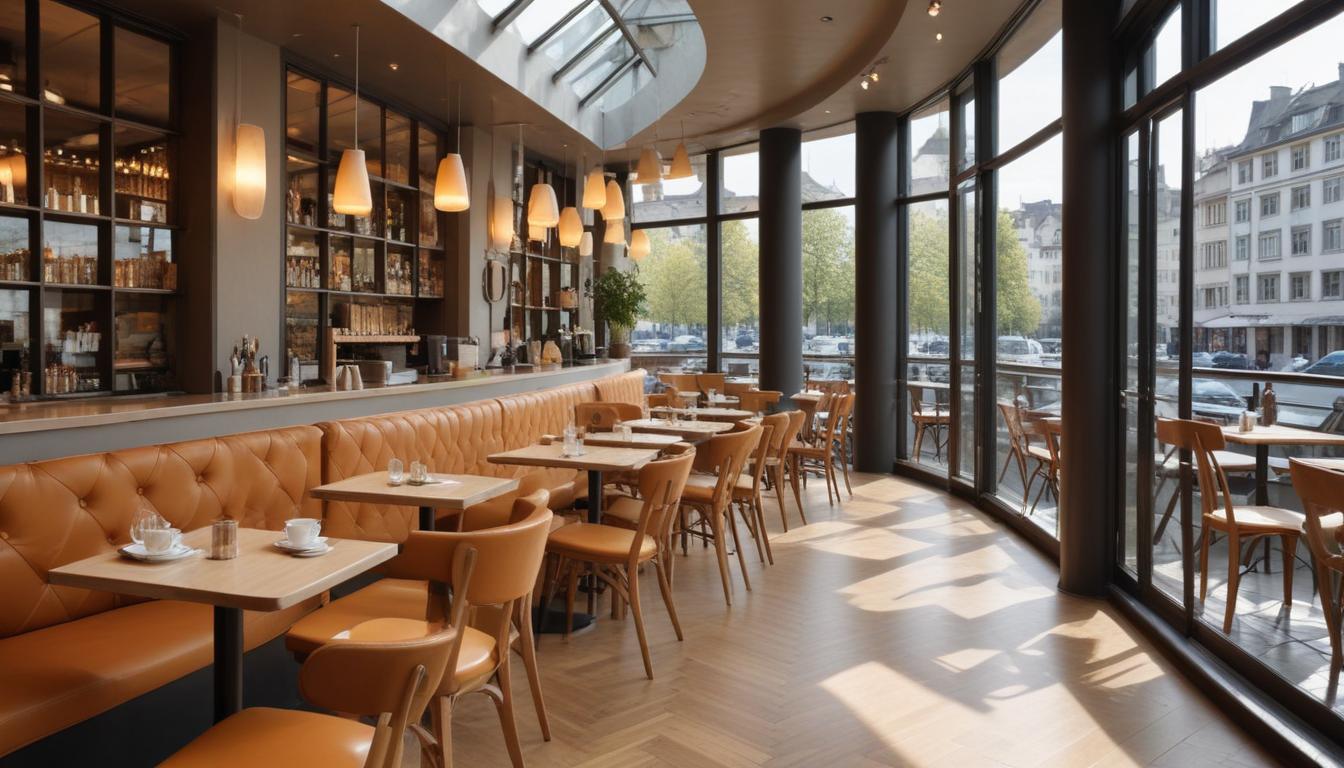
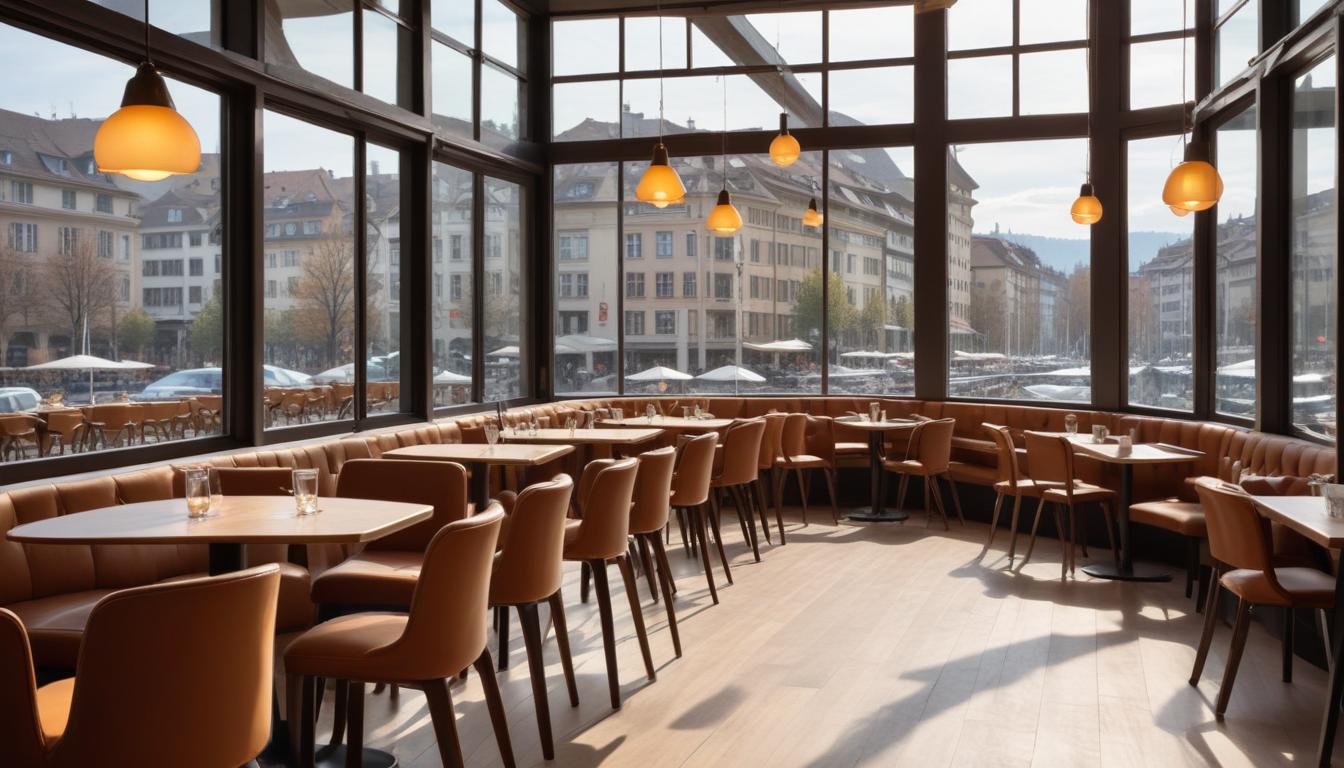
Walk through Zurich's Kreis 5 on a Friday night and you'll notice something has shifted. The old hierarchy of megabars and exclusive clubs has given way to a more democratic, neighbourhood-focused nightlife culture. Locals are embracing smaller, independently-run establishments over the polished chains that dominated the scene just two years ago.
The transformation reflects broader changes in how Zurich residents socialise. Post-2024, there's been a marked return to community-oriented venues—think intimate cocktail bars on Langstrasse, craft beer spots in Wiedikon, and wine bars clustered around the Münsterhof. These aren't new establishments; rather, they've been rediscovered by a generation fatigued with high-volume, high-cost nights out. A aperitif at many neighbourhood haunts now runs 12–16 CHF, compared to the 18–22 CHF standard at Bahnhofstrasse temples.
The Europaallee neighbourhood has emerged as a surprising winner. Once dismissed as a corporate zone, its waterfront bars and clubs have attracted a younger crowd seeking alternatives to the traditional party triangle of Paradeplatz, Stadelhofen, and Zurich West. Venues here emphasise sustainability and local partnerships—several feature rotating rosters of Zurich-based DJs rather than importing international names every weekend.
Data from the Zurich Tourism Board suggests a 23% increase in locals visiting bars within their own districts over the past eighteen months, while city-centre tourist-oriented venues saw modest declines. This isn't about snobbery; it's pragmatism. The combination of better wages offsetting inflation, improved tram connectivity to peripheral neighbourhoods, and genuine fatigue with performative nightlife has created permission for a quieter approach to going out.
The shift has real economic ripples. Smaller venues have lower overhead, which translates to more sustainable business models. Several established spots have expanded their menus and extended their hours specifically to capitalise on neighbourhood demand. Organisations like Zurich's cultural advisory board have noted increased investment in live music programming across Kreis 4 and Kreis 6—areas that rarely hosted such events five years ago.
What's striking is the social dimension. Regulars at these neighbourhood bars are staying longer, running tabs, and actually talking to one another. It's almost retro—less about being seen, more about being present. For a city often criticised as cold and transactional, that's become the real luxury.
This article was compiled by AI from the sources linked above and screened before publishing. See our editorial standards.