The Unsung Commuters: Meet the Faces That Keep Zurich Moving
From early morning tram conductors to night-shift cycle couriers, the daily journeys of ordinary Zurichers reveal the beating heart of a city that runs on human connection.
From early morning tram conductors to night-shift cycle couriers, the daily journeys of ordinary Zurichers reveal the beating heart of a city that runs on human connection.
At 5:47 a.m., the Hauptbahnhof pulses with quiet purpose. Platform 7 is already crowded with commuters clutching coffee cups, many of them faces The Daily Zurich has come to recognise across dozens of weekday mornings. This is where Zurich's transport story truly lives—not in statistics about punctuality or SBB investment figures, but in the rhythms and relationships that make the city's circulatory system genuinely human.
The tram system carries roughly 450 million passengers annually, yet it's easy to overlook the people who make this possible. Consider the conductors on the 6 and 9 lines, who navigate the steep climbs toward Wiedikon and Altstetten with the familiarity of a pianist playing scales. Their greetings to regular passengers—a nod, a smile, sometimes a brief conversation about the weather—create invisible threads of community across the city's thirty-six neighbourhoods.
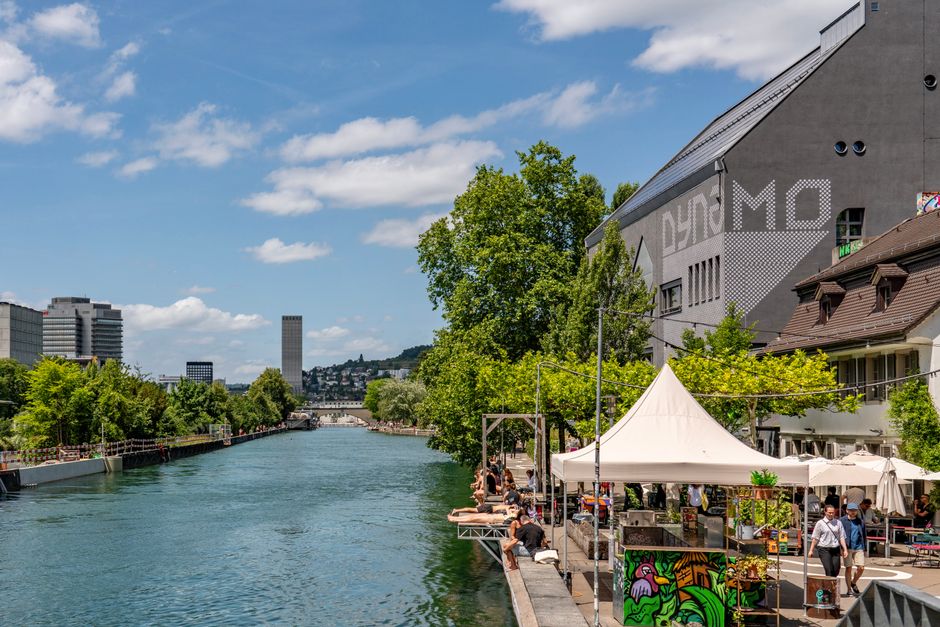
On the Limmat's bicycle paths, a different cast emerges. Evening cycle couriers weaving between the Münster and Fraumünster churches represent a growing transport subculture, their fixed-gear bikes and messenger bags a testament to Zurich's embrace of sustainable mobility. With a monthly travelcard costing 120 CHF, many residents have abandoned cars entirely, choosing instead the democratic flow of tram, train, and two-wheeled passage.
The 24-hour ticket vendors at ticket machines along Bahnhofstrasse and in smaller stations like Wiedikon embody another layer of this story. Working rotating shifts, they manage thousands of micro-transactions—a return to Zug, a day pass for visiting relatives—each interaction a small but meaningful navigation of urban life.
What emerges from conversations across Zurich's transport networks is a portrait of a city where getting from A to B remains fundamentally social. The older gentleman who boards the S6 to Schaffhausen every Thursday to visit his grandchildren. The university student juggling two part-time jobs, synchronising her life around the train schedules between the Polytechnic and the city centre. The cleaners who begin their routes when most commuters are still sleeping, ensuring the trams running toward Seebach are pristine.
Zurich's reputation for efficiency is well-earned—trains run at 94 per cent punctuality. But beneath these impressive metrics lies something less quantifiable: a human infrastructure where commuting has become woven into the city's social fabric. It's not just about arrival times; it's about the countless small encounters, the trusted routes, the familiar faces that transform transit from mere transportation into community.
That's the real magic of how Zurich moves.
This article was compiled by AI from the sources linked above and screened before publishing. See our editorial standards.
How does this story make you feel?
Spread the word
About this article
Published by The Daily Zurich
Daily brief
Free, in your inbox before 7am. Weekdays.
More in lifestyle