Beyond Your Apartment: A Practical Guide for Newcomers Ready to Explore Zurich
Fresh to Switzerland's most cosmopolitan city? Here's how to navigate neighbourhoods, master public transport, and uncover the hidden gems that make Zurich home.
Fresh to Switzerland's most cosmopolitan city? Here's how to navigate neighbourhoods, master public transport, and uncover the hidden gems that make Zurich home.
Moving to Zurich is exciting—and admittedly overwhelming. With property prices among Europe's highest and a reputation for precision that can feel austere at first glance, newcomers often spend their first months in a comfortable bubble of work, apartment, and familiar restaurants. But Zurich rewards those who venture out deliberately.
Start with logistics. The SBB app (Swiss Federal Railways) is non-negotiable. A monthly travelcard costs around CHF 120 for the city zones and unlocks seamless access to trams, buses, and trains. Most residents new to Switzerland underestimate how efficient public transport truly is—being five minutes late to a tram is genuinely unusual. Download Citynow or use the city's official app for real-time service updates.
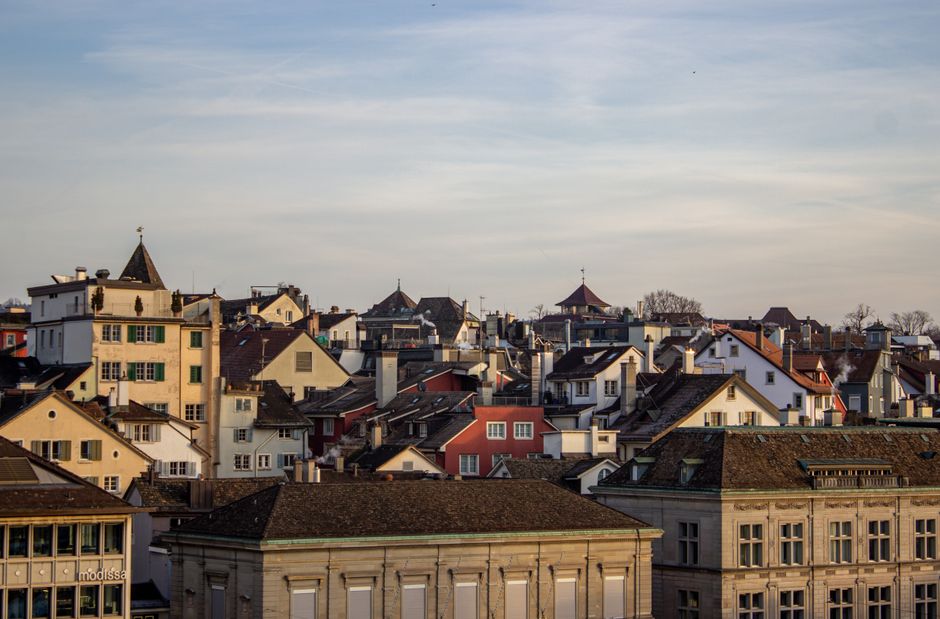
Neighbourhood exploration should follow a method. Kreis 4 (Aussersihl and Industriequartier) has undergone remarkable transformation; Geroldstrasse alone now hosts galleries, design studios, and weekend markets. Kreis 5 (Industriequartier) offers similar creative energy with lower crowds. For traditional charm, stroll Altstadt's narrow lanes around St. Peterskirche, though expect tourist density and premium café pricing (expect CHF 6–8 for coffee).
Food culture matters. Weekly markets at Helvetiaplatz (Wednesday and Saturday mornings) connect you instantly with locals and seasonal eating. Weekday lunch menus at mid-range restaurants offer better value than dinner—expect CHF 18–28 versus CHF 35–50. The Zürich Welcome Center on Bahnhofstrasse (near the main station) offers free orientation walks in English, essential for understanding the city's layout.
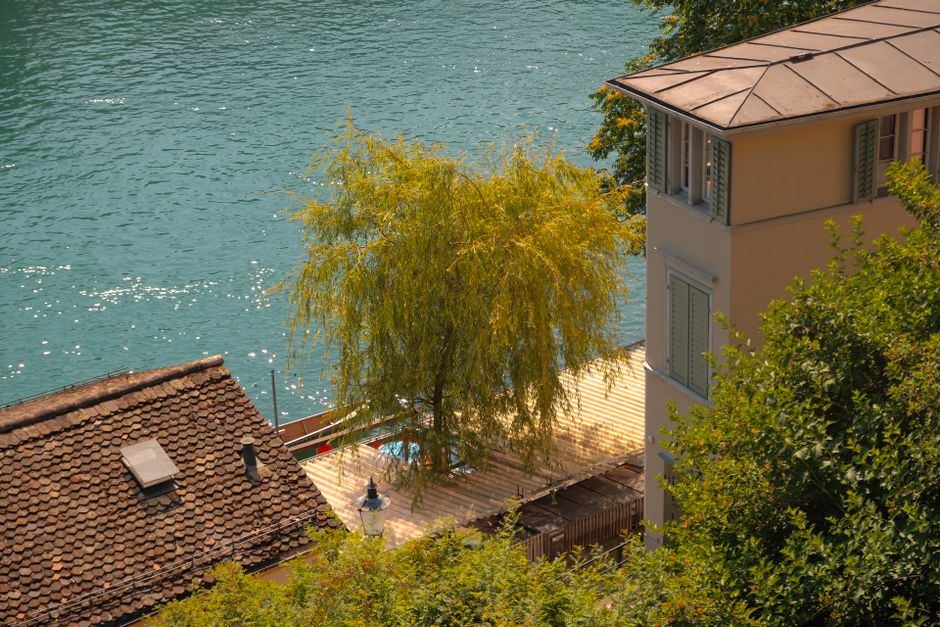
Recreation requires intentional planning. Lake Zurich (Zürichsee) provides free swimming at designated areas; locals favour quieter spots like Mythenquai's southern reaches over crowded Seebad Enge. Uetliberg, directly accessible by train, offers 45-minute hikes with city views and costs nothing. Many parks charge for entry—Botanical Garden (CHF 12) and Zoo (CHF 32) are popular but pricey.
Social integration moves slowly in Zurich; this isn't a criticism but a reality. Expat networks like Internations Zurich (monthly meetups, typically free or CHF 10–15) accelerate friendship-building. Language classes—offered by VHS Zurich and others—cost CHF 200–400 per semester and provide both German and community.
Finally, embrace the rhythm. Zurich empties on weekends as residents escape to nearby mountains or lakes. This isn't a lifestyle flaw—it's an invitation. Buy a hiking pass (CHF 89 annually for unlimited regional transport), invest in proper walking shoes, and understand that 'going out' in Zurich often means going up, out, and around.
The city reveals itself not through spontaneous wandering but through structured curiosity. That's not cold—that's Swiss.
This article was compiled by AI from the sources linked above and screened before publishing. See our editorial standards.
How does this story make you feel?
Spread the word
About this article
Published by The Daily Zurich
Daily brief
Free, in your inbox before 7am. Weekdays.
More in lifestyle