Why Zurich's Bar Scene Operates by Its Own Rulebook
While global nightlife chases excess, Switzerland's largest city has perfected an entirely different formula: early closing times, neighbourhood character, and a refreshing absence of pretence.
While global nightlife chases excess, Switzerland's largest city has perfected an entirely different formula: early closing times, neighbourhood character, and a refreshing absence of pretence.
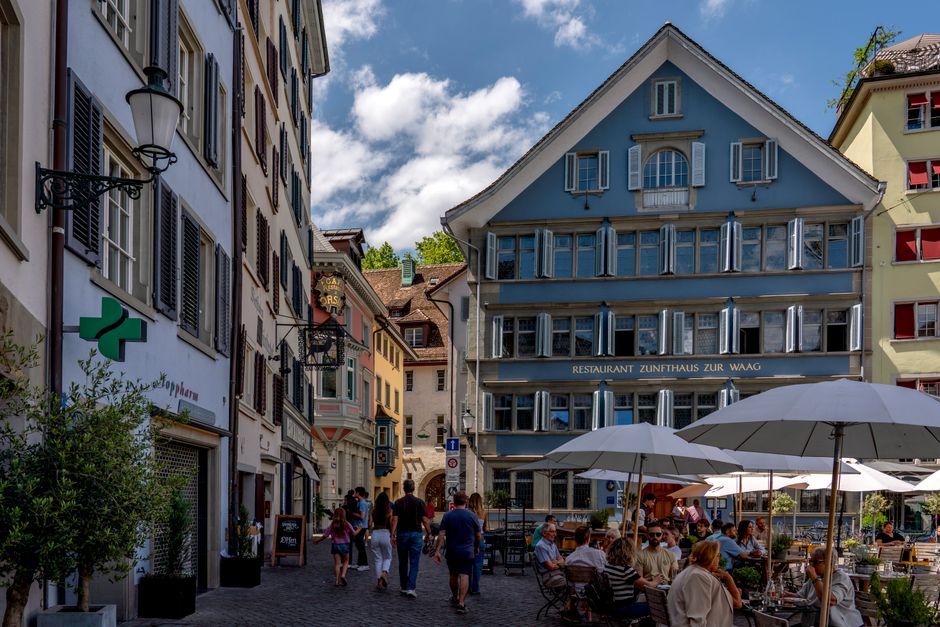
Walk into a cocktail bar in New York at midnight on a Saturday, and you'll encounter thundering music, packed dance floors, and bottles of champagne commanding three-figure price tags. Step into the same scenario at Sprüngli on Bahnhofstrasse in Zurich, and you'll find something radically different: a refined space where conversation remains possible, craft cocktails cost 18-22 francs, and closing time arrives at 2 a.m.—earlier than most global competitors.
This constraint is precisely what makes Zurich's nightlife scene distinctive. The city's strict licensing regulations, which mandate earlier closing times than London, Berlin, or Barcelona, have inadvertently created a more sustainable, neighbourhood-focused bar culture that prioritises quality over quantity.
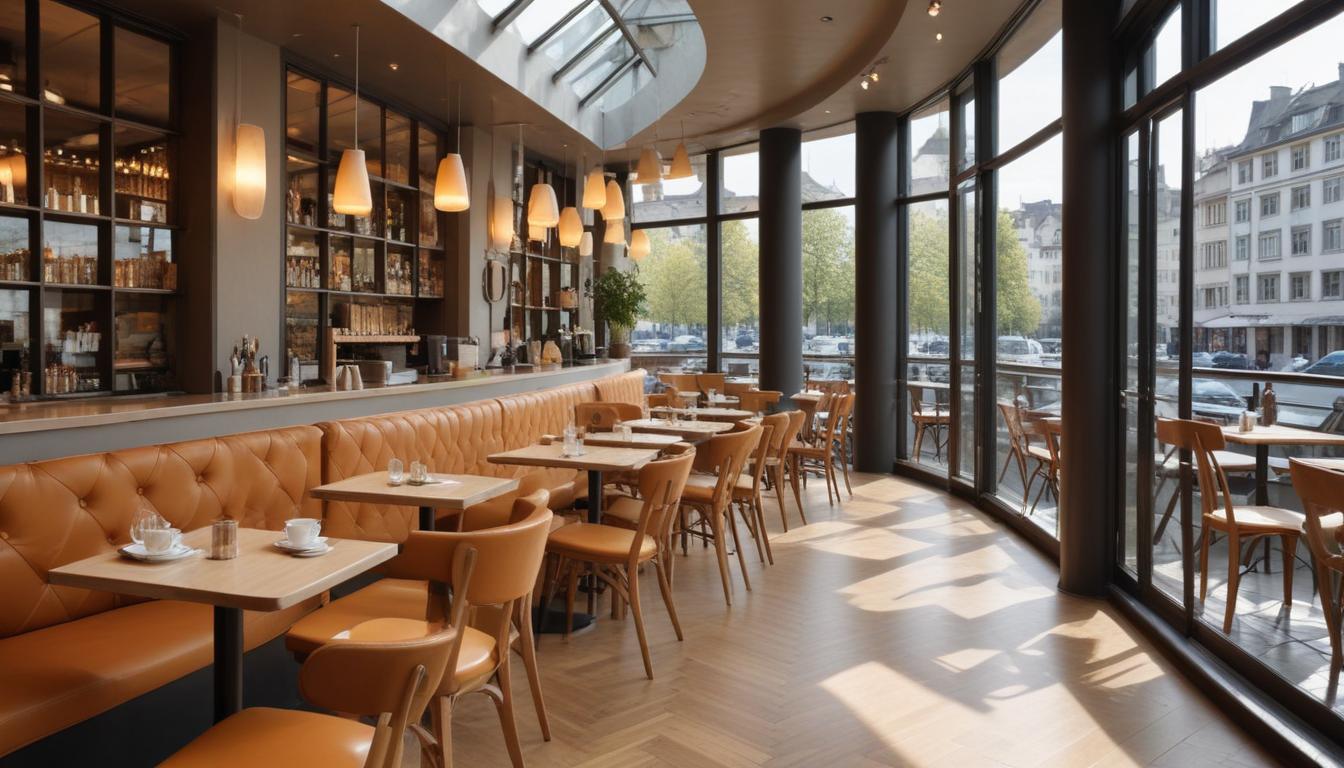
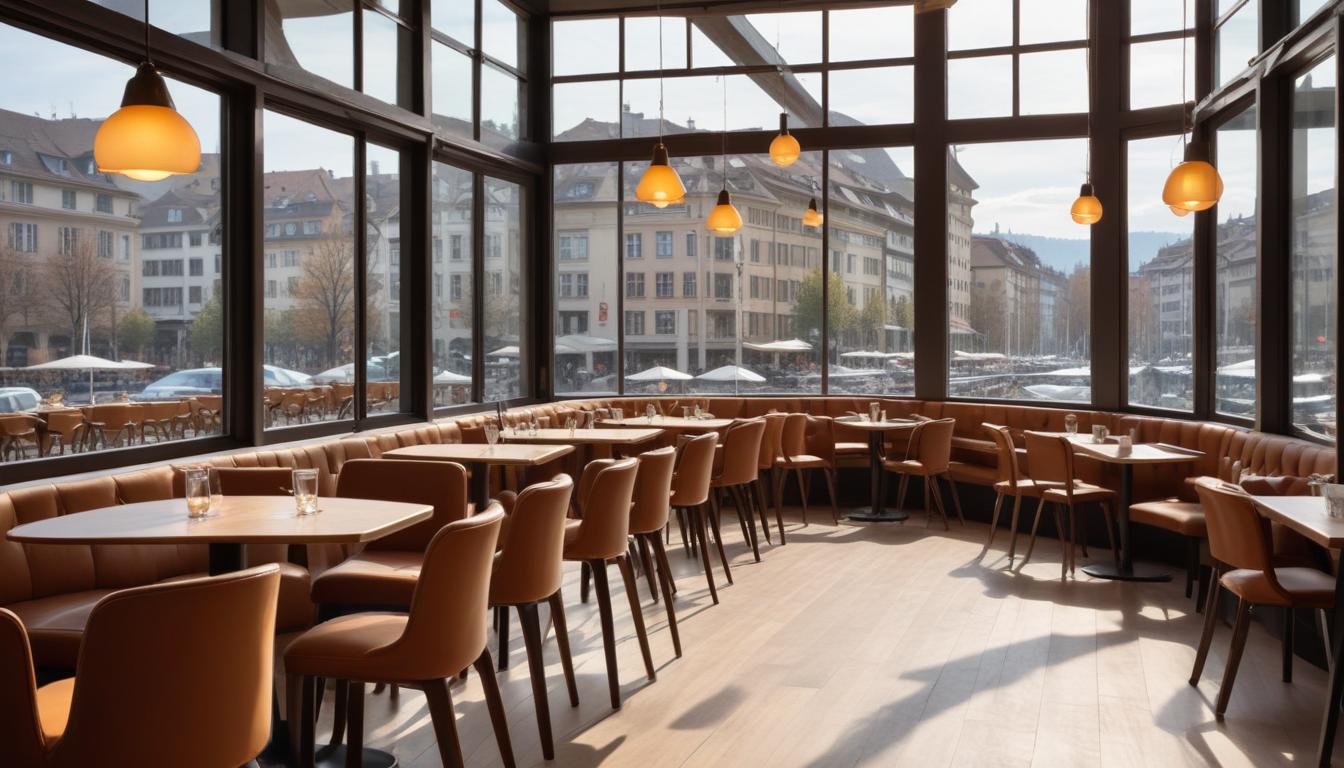
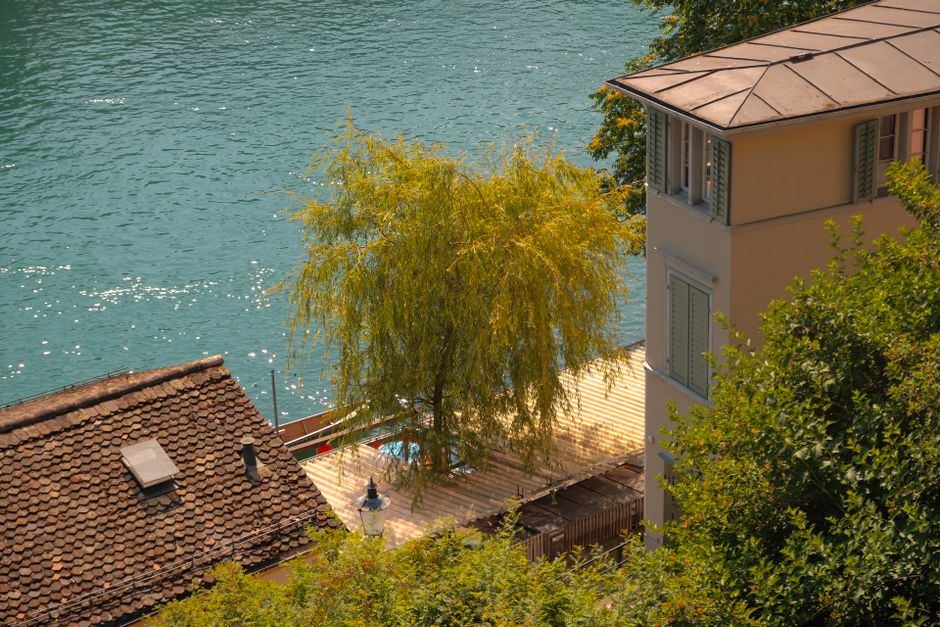
Zurich's bar scene isn't concentrated in a single glittering district. Instead, it's distributed across distinct neighbourhoods, each with its own character. The Kreis 5 area around Langstrasse remains the city's gritty creative hub, hosting underground venues and live music spots that wouldn't survive the inflated rents of prime locations elsewhere. Head to the Wollishofen lakeside neighbourhood, and you'll discover aperitif-focused wine bars where locals gather for 6 p.m. drinks rather than 11 p.m. clubbing. The Wiedikon quarter offers a distinctly bohemian atmosphere, with bars like Café Schüür functioning as cultural spaces as much as drinking establishments.
The Swiss approach to nightlife pricing also differs markedly from comparable cities. While a cocktail in central London or Miami routinely exceeds 15-18 pounds or dollars, Zurich's scene maintains more consistent pricing without sacrificing quality. A beer typically costs 6-8 francs, reflecting reasonable markup rather than tourist exploitation. This accessibility paradoxically attracts a more mature, less rowdy clientele than cities where astronomical pricing filters for wealth rather than interest.
Perhaps most notably, Zurich has largely resisted the globalised nightlife monoculture that has homogenised bar scenes worldwide. You won't find Zurich dominated by international chains or bottle-service clubs with identical aesthetics from Dubai to Singapore. Instead, independent bars maintain local ownership and identity. Venues like Dante's Inferno or the various aperitif lounges throughout the city reflect Swiss sensibilities: attention to detail, quality ingredients, and understated elegance.
The early closing times, dismissed by some as restrictive, have actually preserved something vanishing elsewhere: genuine neighbourhood gathering spaces where regulars recognise each other, bartenders remember orders, and the goal is connection rather than spectacle. In an era when cities worldwide chase the same nightlife formula, Zurich's constraints have become its competitive advantage.
This article was compiled by AI from the sources linked above and screened before publishing. See our editorial standards.
How does this story make you feel?
Spread the word
About this article
Published by The Daily Zurich
Daily brief
Free, in your inbox before 7am. Weekdays.
More in lifestyle