Walk down Gessnerallee on a Saturday morning and you'll encounter something increasingly rare in Zurich: a neighbourhood actively resisting homogenisation. Wiedikon—the gritty, artistically-inclined district south of the Sihl—has become ground zero for Zurich's ongoing tension between gentrification and community preservation.
The numbers tell part of the story. Average rents in Wiedikon have climbed 23% since 2021, yet the neighbourhood remains conspicuously more affordable than Kreis 1 or Enge, where monthly costs for a modest two-bedroom flat exceed CHF 3,200. Here, you'll still find independent venues like Kafi Lilo and Schiffbau—the former cultural institution now under community management—drawing artists, activists, and long-term residents who've built something deliberately countercultural.
"What makes Wiedikon distinctive is the density of informal networks," explains local community organiser activities visible throughout the district. The Kasama cooperative, housed in a converted industrial space on Quellenstrasse, operates as both community hub and workspace for around 60 creative professionals. Nearby, the Autonomes Zentrum has operated continuously since 1980, hosting everything from film screenings to housing justice discussions. These aren't polished lifestyle spaces; they're well-worn, intentional, and fiercely protected by residents who've organised multiple times to prevent displacement.
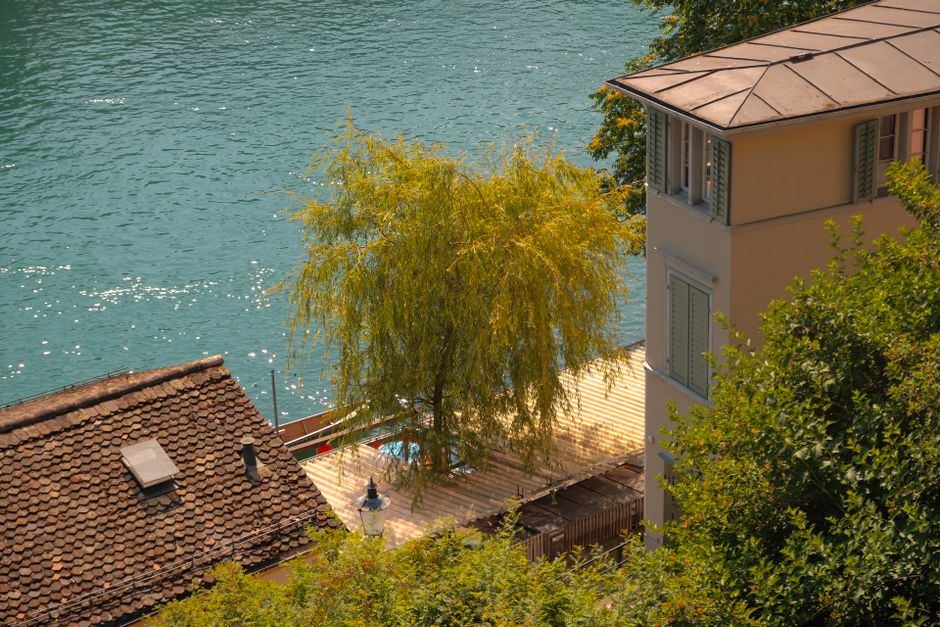
The neighbourhood's character crystallises around Margarethenplatz, where a weekly market still draws residents from across Zurich, and along the Sihl riverbank—recently revitalised through community-driven ecological projects. Local businesses like Ruum Raum bookshop and several vintage clothing shops create a textured commercial landscape that contrasts sharply with the chain-homogenised centres of other districts.
What distinguishes Wiedikon isn't Instagram-friendly authenticity, but rather earned resilience. The Wiedikon Quartier Association maintains active working groups focused on housing, ecology, and cultural preservation. Community gardens operate across several properties. Neighbourhood WhatsApp groups mobilise rapidly when landlords propose renovations that might displace long-term tenants.
For newcomers considering the district, the unspoken contract is clear: Wiedikon welcomes you if you're willing to engage with, rather than exploit, its character. Rents remain comparatively reasonable, community is accessible and genuine, and there's genuine creative energy. But it's not a finished product awaiting consumption—it's a neighbourhood actively negotiating its future, where residents still possess meaningful voice in determining what stays and what changes.
This article was compiled by AI from the sources linked above and screened before publishing. See our editorial standards.