Zurich’s playground revolution: How the city’s after-school culture is shifting
As working hours lengthen and dual-income households become the norm, the city's approach to extracurricular childcare is undergoing a rapid, high-tech transformation.
As working hours lengthen and dual-income households become the norm, the city's approach to extracurricular childcare is undergoing a rapid, high-tech transformation.
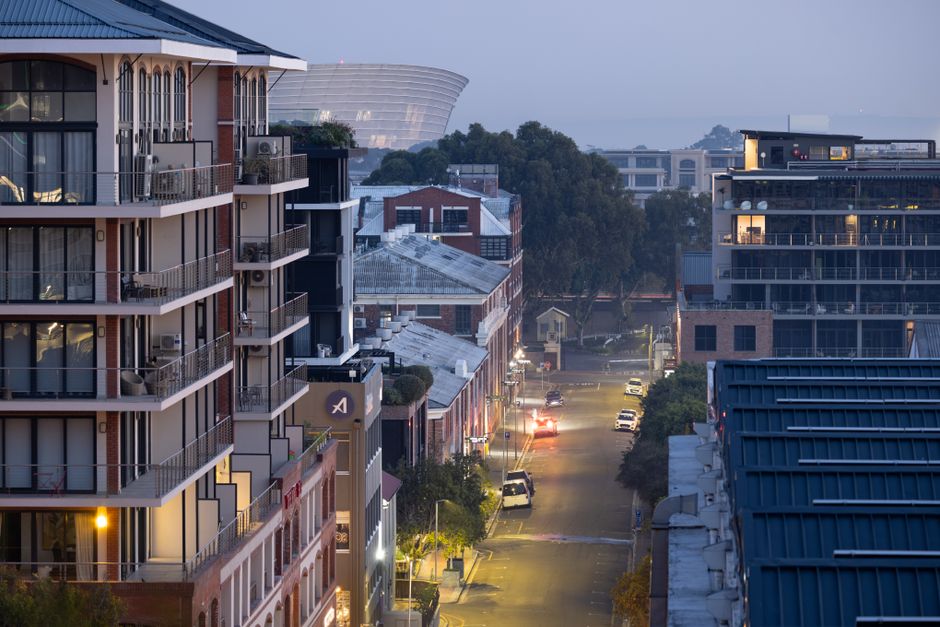
The traditional image of a Swiss child walking home for a two-hour lunch break is fading from the streets of Enge and Seefeld. This month, the Zurich Department of Education confirmed a record uptake in Tagesstrukturen—extended-day school programs—marking a permanent shift in how families navigate the work-life balance. Parents are no longer choosing between careers and home-cooked afternoons; they are opting into a rigid, highly organized system of supervised play and structured homework support that keeps children at school until 6 p.m.
For decades, Swiss family life pivoted around the midday return of students to the kitchen table. Now, the Schulhaus has become a multi-purpose hub that never sleeps. At the Schulhaus Freiestrasse in Hottingen, officials have converted underused basement storage rooms into dedicated makerspaces and media labs. These upgrades are designed to keep the "latchkey" anxiety at bay, replacing solitary afternoons with supervised robotics workshops and intensive German language sessions for students in the city's growing international cohort.
This evolution is largely driven by the city’s economic demand. With the median household income in Zurich now exceeding 140,000 CHF, dual-income households are essential to covering the rising costs of private health insurance and rents, which saw a 3.2% increase across the District 1 and 2 corridors in the first quarter of 2026. Parents are trading the spontaneity of the neighbourhood park for the reliable, government-backed infrastructure of the municipal school system.
The transition is not just about logistics; it is about a changing philosophy of child development. Organisations like the Zürcher Gemeinschaftszentren (GZ) have seen their visitor numbers spike by 15% since the start of the academic year. These centers, once simple play-pits, now offer premium programs like musical instrument tuition and coding boot camps. A single afternoon session at the GZ Riesbach currently runs between 25 and 45 CHF, a price point that urban professionals increasingly view as a necessary investment for a competitive edge.
However, this shift brings new pressures. School administrators note that the demand for these spots has created a two-tier system where only those who register by the April 15 deadline are guaranteed a placement. Children are spending more time in structured, indoor environments, leading to a noticeable decline in the casual, unprogrammed foot traffic at parks like the Landiwiese. For those still looking for a place to slot into the fall schedule, the municipal education portal remains the only viable route; late-comers are finding that local community centers are already operating at 95% capacity for the 2026-2027 season. Families seeking flexibility should prioritize the GZ’s "open house" days later this month to secure a footing in the city's new, hyper-structured reality.
How does this story make you feel?
Spread the word
About this article
Published by The Daily Zurich
Daily brief
Free, in your inbox before 7am. Weekdays.
More in lifestyle