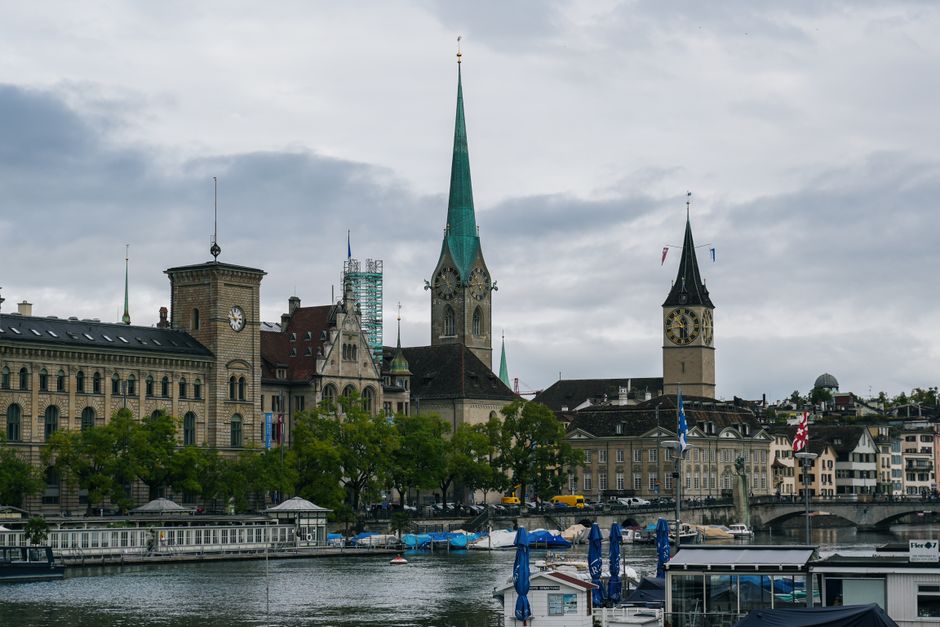
Zurich's new housing quota faces fierce resistance—here's why your rent could depend on it
City Council votes on mandatory affordable units in new developments; locals worry about displacement as construction booms across Wiedikon and Aussersihl.
City Council votes on mandatory affordable units in new developments; locals worry about displacement as construction booms across Wiedikon and Aussersihl.
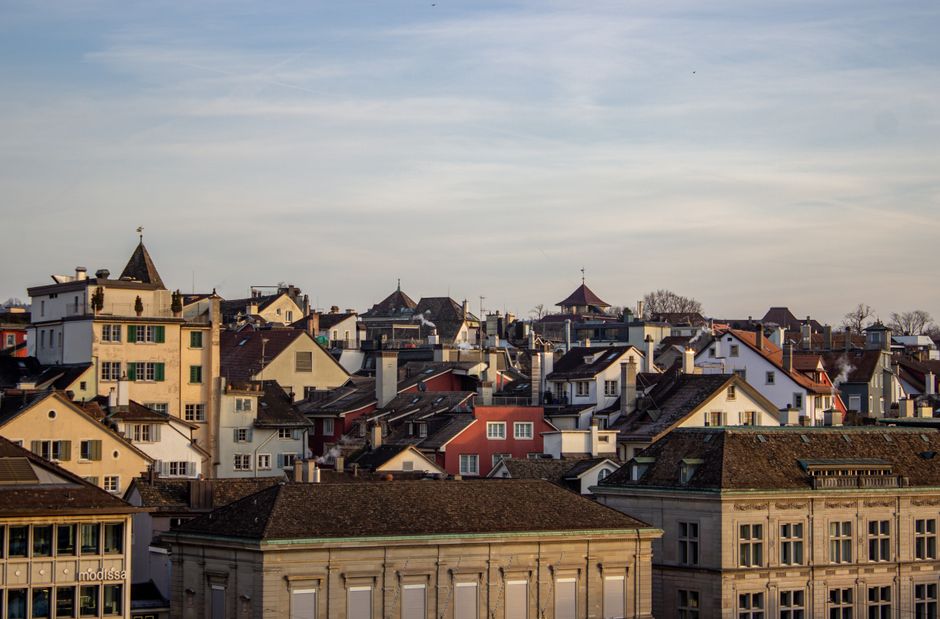
The Zurich City Council is set to vote on a landmark housing policy that could reshape neighbourhoods across the city—and directly affect what residents pay to live here. The proposed mandatory affordable housing quota would require developers to include at least 25% subsidised units in new residential projects, a move that has divided local politicians and triggered concerns among both renters and property owners.
The policy targets the construction boom sweeping through districts like Wiedikon and Aussersihl, where single-family homes are giving way to apartment blocks. Rents in these areas have climbed roughly 8% annually over the past three years, pricing out young families and service workers who form Zurich's backbone. A one-bedroom apartment in Wiedikon now averages 2,400 francs monthly—a 35% increase since 2020.
"Without intervention, we'll lose the diversity that makes these neighbourhoods viable," says the Tenants' Association, which has lobbied intensively for the measure. They point to the Europaplatz redevelopment near Hardbrücke, where market-rate units started at 3,200 francs, effectively closing the door to nurses, teachers, and construction workers.
The resistance is equally vocal. The Chamber of Commerce warns that stricter quotas will drive developers to greenfield sites outside Zurich's borders, undercutting tax revenues and forcing longer commutes. Several property owners have argued the city should instead streamline zoning to boost overall housing supply, rather than imposing what they call "backdoor price controls."
The stakes extend beyond individual budgets. Community groups worry rapid gentrification will hollow out neighbourhood institutions. The Aussersihl neighbourhood association notes that three social centres closed since 2023 due to rising rent pressures—spaces where immigrants, elderly residents, and low-income families once gathered.
The Council is also debating complementary measures: a rent-increase cap during renovations and an expansion of municipal housing stock. The city currently owns 1,100 affordable units—less than 2% of Zurich's total housing. Expanding that portfolio would require significant budget allocation, already tight as schools and public transit compete for funds.
The vote is expected by mid-July. Whatever passes will likely set a precedent for Switzerland's other major cities grappling with similar affordability crises. For Zurich residents, the decision will reverberate for decades—determining whether the city remains economically mixed or becomes increasingly stratified by income.
This article was compiled by AI from the sources linked above and screened before publishing. See our editorial standards.
How does this story make you feel?
Spread the word
About this article
Published by The Daily Zurich
Daily brief
Free, in your inbox before 7am. Weekdays.
More in News