Zurich Cooperative Housing: A Model Global Cities Are Copying
Discover how Zurich's cooperative housing model keeps affordability stable while London, Berlin, and Toronto struggle. Learn why Swiss planners lead global housing solutions.
Discover how Zurich's cooperative housing model keeps affordability stable while London, Berlin, and Toronto struggle. Learn why Swiss planners lead global housing solutions.

Listen to this article · 3:54
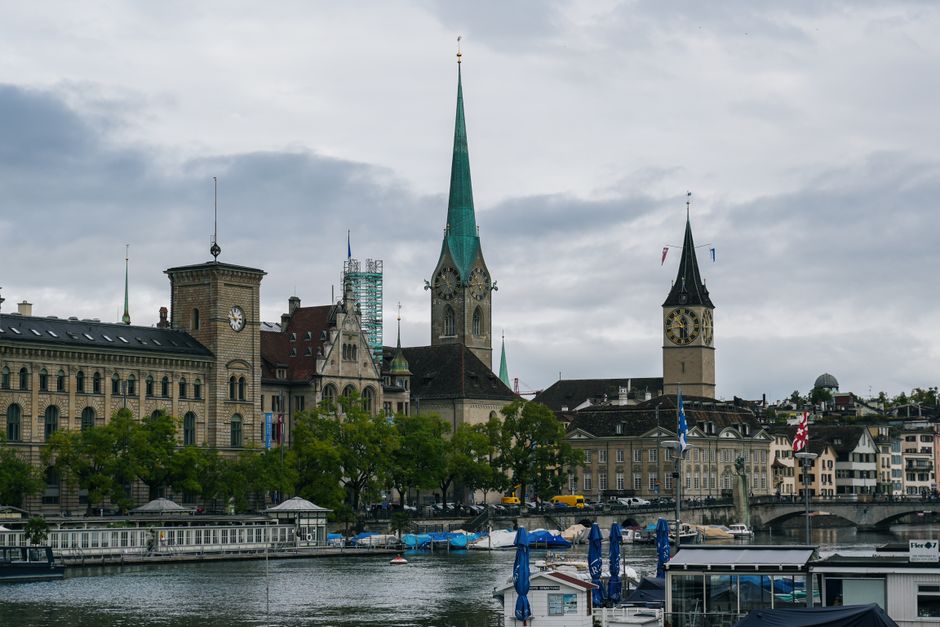
When delegates from Toronto's city planning office arrived in Zurich last month to study housing policy, they made a pilgrimage that has become almost routine for desperate municipal leaders worldwide: they visited Wiedikon, toured the cooperatives around Kalkbreite, and reviewed the city's land-use strategies at the Rathaus on Limmatquai.
Their mission reflects a growing recognition that Zurich, despite median rents exceeding 2,400 francs monthly, has engineered something many comparable global cities cannot: relative stability in housing accessibility through cooperative ownership models covering roughly 10 percent of the city's stock.
"We're not claiming to have solved affordability," says the Zurich cantonal housing department, which coordinates with over 80 registered housing cooperatives. "But our system creates predictability." That predictability stands in sharp contrast to London's rental market, where average monthly costs now exceed 2,200 pounds sterling, or Berlin's ongoing scramble to regulate short-term rentals after years of speculative investment.
The model stems partly from Zurich's post-war housing philosophy and Swiss cultural attitudes toward collective ownership. Today, it manifests in neighbourhoods like Aussersihl and Wiedikon, where organisations like Wogeno and Mehr als Wohnen operate buildings with decades-long stability provisions. Members pay modest deposits—typically one to three months' rent—rather than competitive market premiums.
Compare this to Barcelona, where officials have spent the past two years developing legal frameworks for cooperative housing from near-zero baseline, or Vancouver, where rental vacancy rates hover below 1 percent and comparable cooperative stock remains negligible.
Yet Zurich's success story comes with caveats that international observers must consider. The model requires substantial public land dedication—the city maintains ownership over strategic parcels—and consistent political will that transcends electoral cycles. The cooperatives themselves demand active member participation, a social commitment that doesn't transplant easily into cities with different civic cultures.
Officials from Paris and Amsterdam are already implementing modified versions of Zurich's approach, though both cities report slower uptake than anticipated. The complexity lies not in copying Zurich's regulations but in cultivating the institutional infrastructure and political consensus required to sustain it.
As global cities convene at international planning conferences to discuss affordability, Zurich's example increasingly dominates discussions—not as a universal solution, but as evidence that alternative models can function at scale within expensive metropolitan areas. For cities facing housing emergencies, understanding how Zurich maintains its cooperative sector while remaining a global financial centre has become essential study material.
This article was compiled by AI from the sources linked above and screened before publishing. See our editorial standards.
How does this story make you feel?
Spread the word
About this article
Published by The Daily Zurich
Daily brief
Free, in your inbox before 7am. Weekdays.
More in News