From Industrial Powerhouse to Green Leader: How Zurich Built Its Sustainability Legacy
Decades of policy shifts, citizen pressure, and economic pragmatism transformed Switzerland's largest city into a climate pioneer.
Decades of policy shifts, citizen pressure, and economic pragmatism transformed Switzerland's largest city into a climate pioneer.
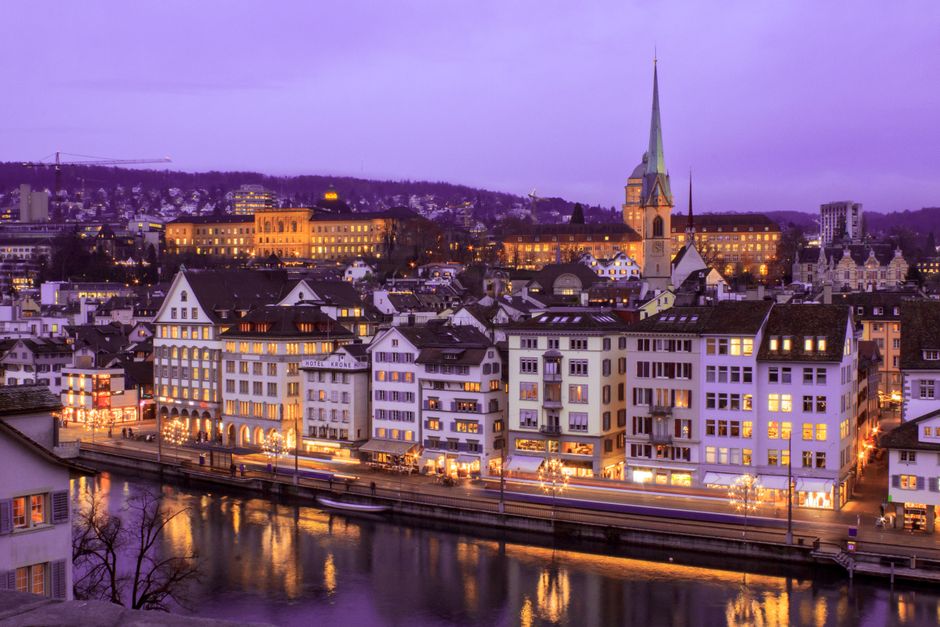
Today's gleaming trams on Bahnhofstrasse and the renewable energy coursing through Zurich's grid represent the culmination of a half-century of incremental but deliberate environmental transformation. Yet the city's journey toward sustainability was neither straightforward nor inevitable—it emerged from crisis, contradiction, and compromise.
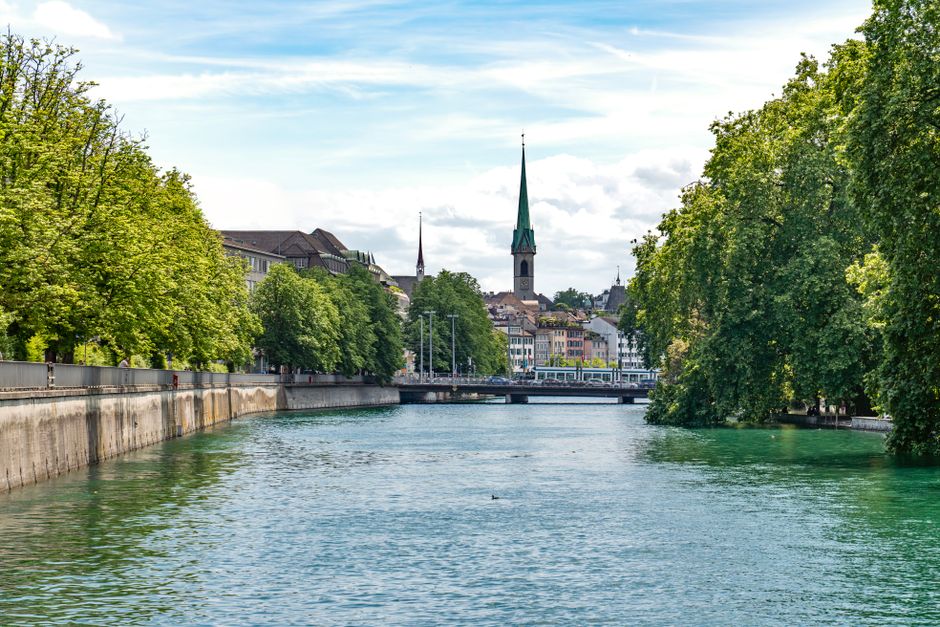
In the 1970s and 1980s, Zurich faced an uncomfortable reckoning. The Limmat River ran visibly polluted, industrial smog hung over the Wiedikon district, and Switzerland's energy appetite demanded new nuclear plants. Public outrage crystallized around catastrophic accidents abroad, prompting citizens to demand radical change. Referenda became the weapon of choice: Swiss voters rejected nuclear expansion proposals repeatedly, forcing authorities to reconsider energy fundamentals.
The economic imperative proved crucial. By the 1990s, Zurich's financial sector recognized that environmental degradation threatened its global reputation and competitiveness. Banks and insurance companies began calculating climate risk into their models. The city council, responding to both voter pressure and business interest, committed to the Swiss Energy Strategy and later the Paris Agreement targets. What began as moral concern evolved into fiduciary responsibility.
Infrastructure investments accelerated. The expansion of Zurich's public transport network—now among Europe's densest—required sustained capital investment, with fares deliberately kept accessible at 2,780 Swiss francs annually for a standard pass. The city's district heating system grew to serve neighborhoods from Altstetten to Oerlikon, tapping waste heat from industrial processes and sewage systems. By 2020, renewable sources accounted for nearly 90 percent of Zurich's electricity supply, primarily hydropower from surrounding Alpine regions.
Yet transformation exposed contradictions. Zurich's prosperity attracted global migration and tourism, increasing resource consumption even as per-capita emissions fell. The city's finance sector, built partly on fossil fuel investments, faced mounting pressure from activists and younger employees demanding divestment commitments. Building renovations accelerated—targeting the thousands of pre-1980 properties responsible for substantial heat loss—but gentrification accompanied sustainability, displacing lower-income residents from improving neighborhoods.
Today's comprehensive sustainability initiatives—from the Greenbelt Strategy protecting agricultural land surrounding the city to the 2035 carbon-neutral target adopted in 2023—rest upon this contested foundation. They represent not utopian idealism but pragmatic recognition that environmental stability underpins economic prosperity, social cohesion, and competitive advantage.
The question facing current municipal leaders remains unchanged from the 1970s: whether Zurich's environmental commitments reflect genuine transformation or sophisticated greenwashing. History suggests the answer lies somewhere between.
This article was compiled by AI from the sources linked above and screened before publishing. See our editorial standards.
How does this story make you feel?
Spread the word
About this article
Published by The Daily Zurich
Daily brief
Free, in your inbox before 7am. Weekdays.
More in News