By the Numbers: How Zurich's Wiedikon District is Becoming Europe's Most Diverse Neighbourhood
Fresh census data reveals rapid demographic shifts in one of the city's most dynamic quarters, reshaping everything from housing demand to local business.
Fresh census data reveals rapid demographic shifts in one of the city's most dynamic quarters, reshaping everything from housing demand to local business.
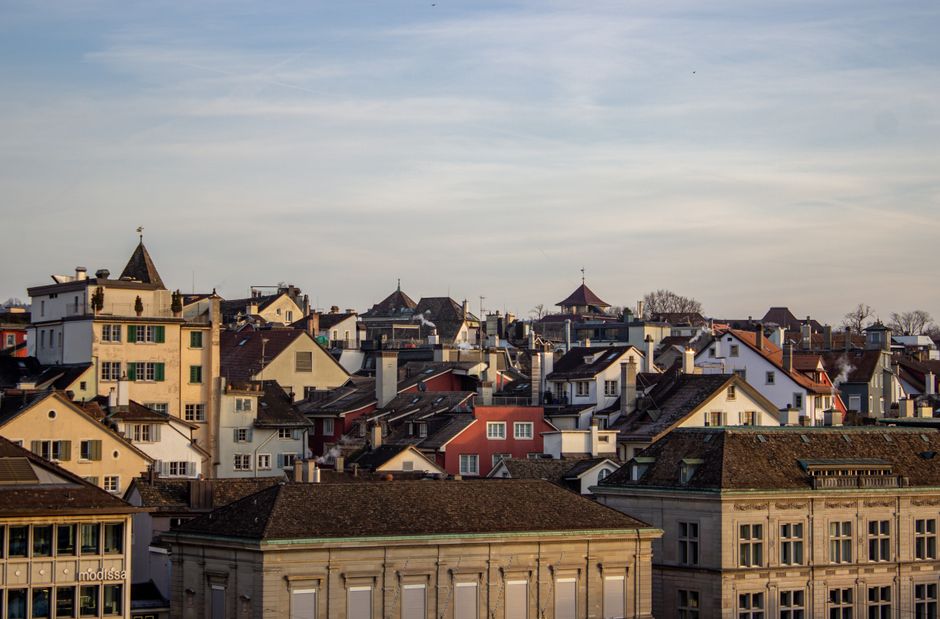
In the span of just five years, Wiedikon has undergone a demographic transformation that surprises even longtime residents. According to the latest Zurich Statistical Office data released this month, the neighbourhood's foreign-born population has climbed to 58 per cent—nearly double the city average of 31 per cent—making it statistically comparable to the most diverse neighbourhoods in Amsterdam and Berlin.
The numbers tell a story of rapid change along Badenerstrasse and the residential streets branching toward Werd Island. Between 2021 and 2026, Wiedikon's population grew by 4,200 residents to reach 33,400 total inhabitants. But it's not just growth—it's the composition that's striking. The neighbourhood now hosts communities from 127 different nations, with significant populations from Italy (8.2 per cent), Spain (5.1 per cent), and increasingly, India (3.4 per cent, up from 1.8 per cent in 2021).
Housing pressure has followed predictably. Average rent for a two-bedroom apartment in Wiedikon has surged from CHF 2,180 to CHF 2,890 in that same five-year window—a 32 per cent increase that outpaces even central Zurich's gains. Yet occupancy rates remain robust, with the neighbourhood's vacancy rate sitting at just 1.3 per cent, well below the city's healthy threshold of 2 per cent.
The economic footprint has shifted accordingly. Local statistics show that 67 per cent of new business registrations in Wiedikon over the past 18 months were initiated by entrepreneurs born outside Switzerland. The neighbourhood now hosts 340 registered businesses, up from 267 in 2019, with particular growth in hospitality, creative industries, and professional services.
Schools have felt the impact directly. At Schulhaus Wiedikon, currently serving 380 students, 71 per cent have a migrant background, requiring 12 full-time staff members dedicated to language support—a budget allocation that has nearly tripled since 2020. Yet graduation rates have remained stable at 94 per cent.
Perhaps most tellingly, the data shows socioeconomic diversity. While median household income in Wiedikon sits at CHF 89,400—slightly below the city median—wealth inequality metrics remain more balanced than in other rapidly gentrifying zones. This suggests the neighbourhood is attracting working professionals and families rather than exclusively affluent newcomers.
As Zurich grapples with housing shortages and integration challenges citywide, Wiedikon's statistics offer a real-time case study in how neighbourhoods transform. Whether this represents successful multicultural integration or early warning signs of displacement remains the story local policymakers are watching most intently.
This article was compiled by AI from the sources linked above and screened before publishing. See our editorial standards.
How does this story make you feel?
Spread the word
About this article
Published by The Daily Zurich
Daily brief
Free, in your inbox before 7am. Weekdays.
More in News