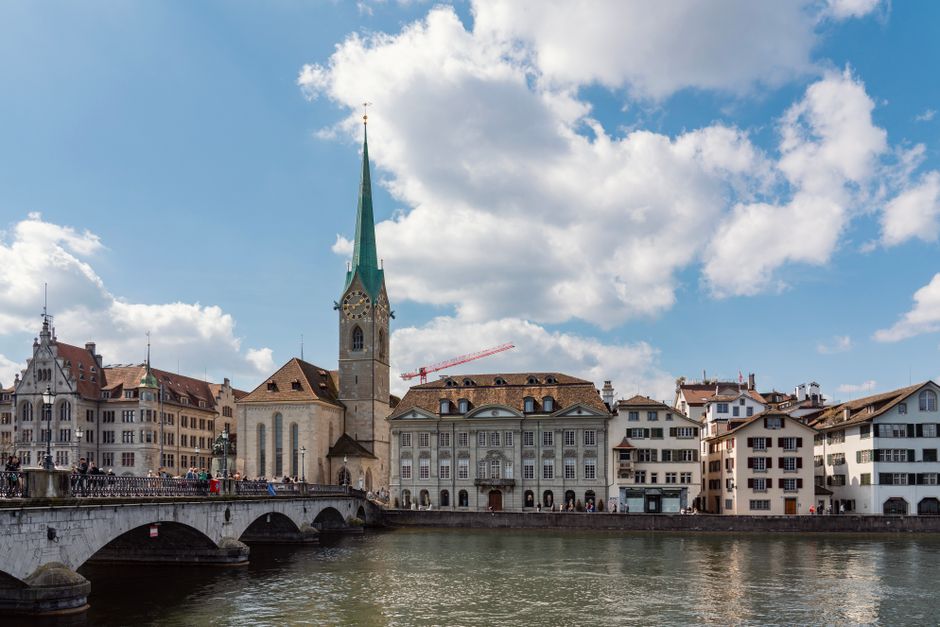
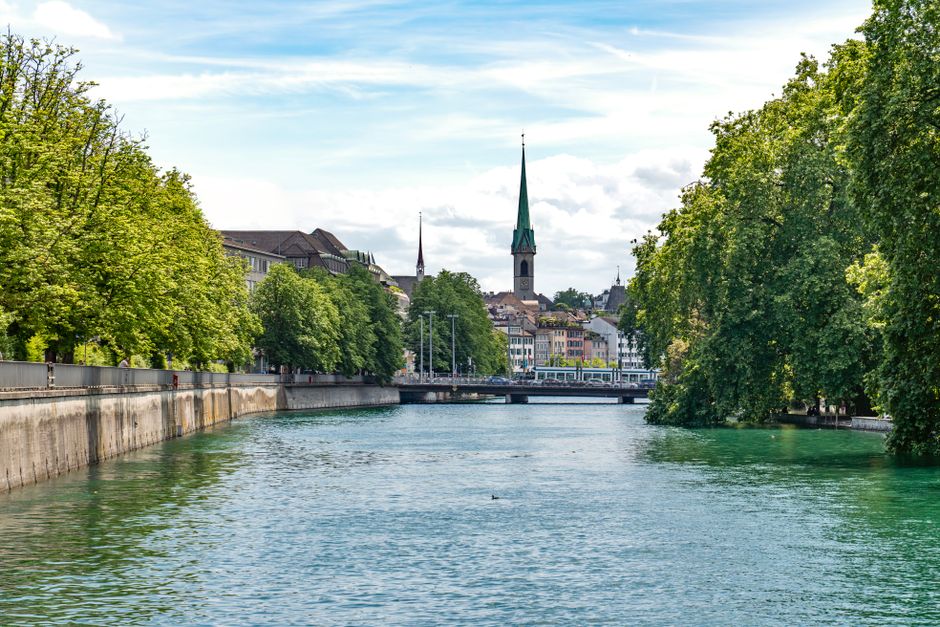
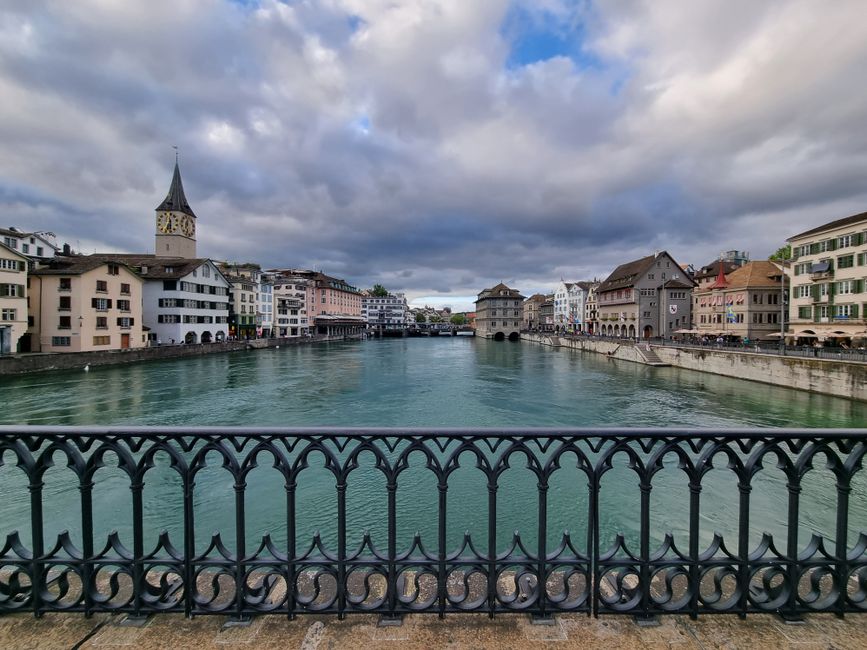
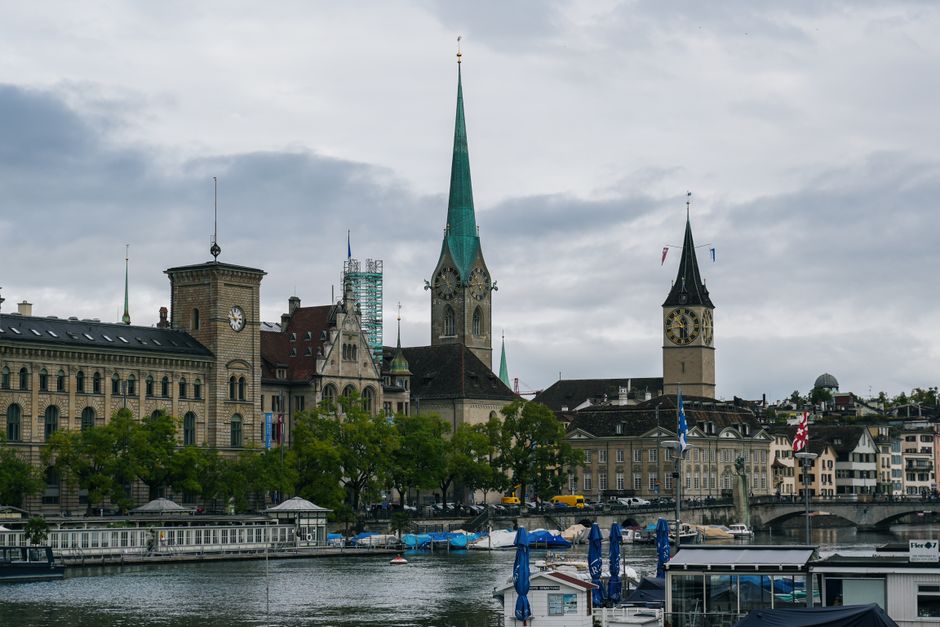
Walk along the Limmat today and you'll see sleek electric boats gliding past restored riverbanks, a far cry from the 1970s when Zurich's waterways were so polluted that swimming was forbidden. Yet this seemingly modern achievement masks a longer, messier history—one that helps explain why the city's latest sustainability targets, announced earlier this year, remain as ambitious as they are necessary.
The environmental crisis that gripped Zurich in the post-war decades was undeniable. By the early 1970s, the city's air quality regularly triggered smog alerts, forcing school closures and traffic restrictions across districts like Wiedikon and Altstetten. The Limmat, once a vital recreation spot, had become an industrial discharge zone. Industrial emissions from factories near Hongg and along the Glatt valley contributed to a public health crisis that finally forced political action.
The turning point came in 1975, when Switzerland passed its first Federal Law on Environmental Protection. Zurich, as a wealthy canton with substantial political influence, became a testing ground for stricter regulations. Manufacturing plants were required to install emission controls. Wastewater treatment facilities, primitive by today's standards, were upgraded across the city. By the 1980s, the Limmat had recovered enough for cautious swimming to resume near the Letten neighbourhood—a symbolic victory that mobilised environmental consciousness.
The 1990s brought a shift toward systemic thinking. Zurich's tram network, already extensive, received massive investment. The city began tracking carbon emissions methodically. By 2008, when the global financial crisis hit, Zurich had already committed to reducing per-capita CO₂ emissions by 50 percent by 2050—a target that seemed radical then but is now standard across European cities.
Yet progress stalled. Between 2015 and 2023, emissions reductions plateaued at around 35 percent. The reasons are familiar: growing population (now 430,000 residents), rising consumption patterns despite efficiency gains, and the stubborn challenge of heating older buildings in districts like Enge and Seefeld, where many structures still rely on fossil fuels.
This stagnation prompted the city council to announce revised targets in early 2026: net-zero emissions by 2040, with mandatory building retrofits accelerating from 2027. The Fraumünster Church's recent solar panel installation—approved after years of heritage conservation debate—symbolises this new urgency.
Understanding Zurich's environmental journey matters because it reveals a pattern: genuine progress requires decades of sustained effort, political will, and public pressure. The city's transformation from polluted industrial hub to green leader wasn't inevitable. It required uncomfortable choices and persistent activism that remain as necessary today as they were fifty years ago.
This article was compiled by AI from the sources linked above and screened before publishing. See our editorial standards.