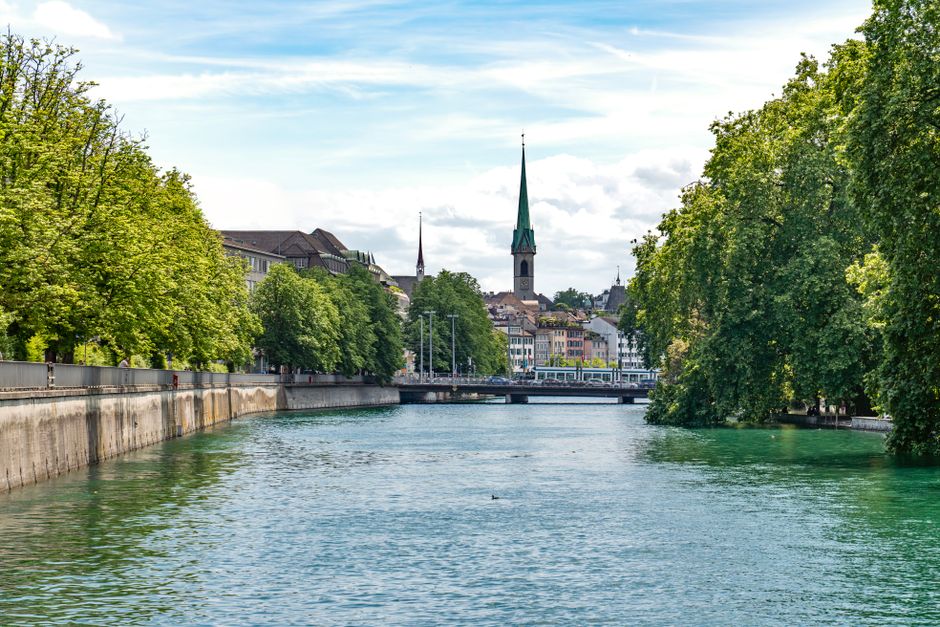
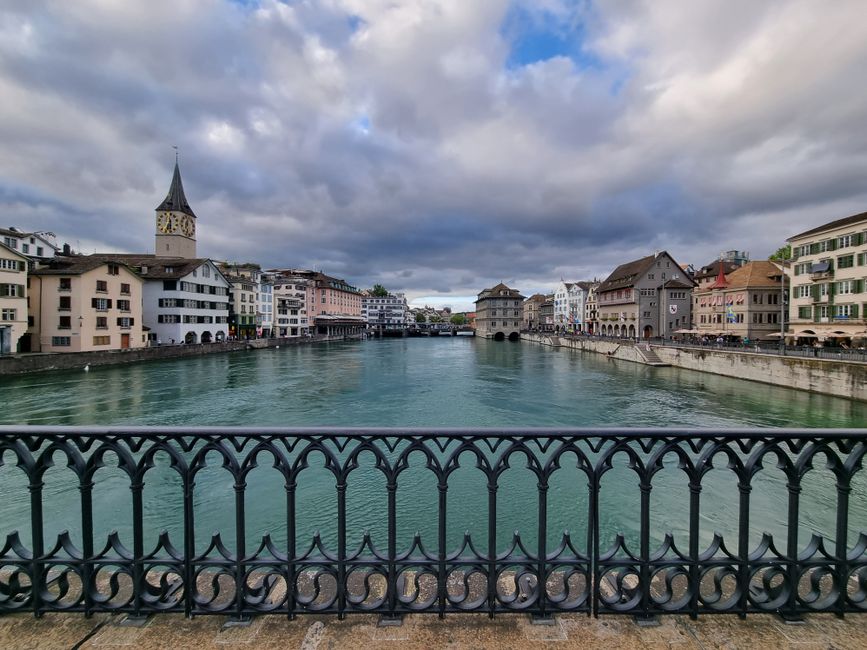
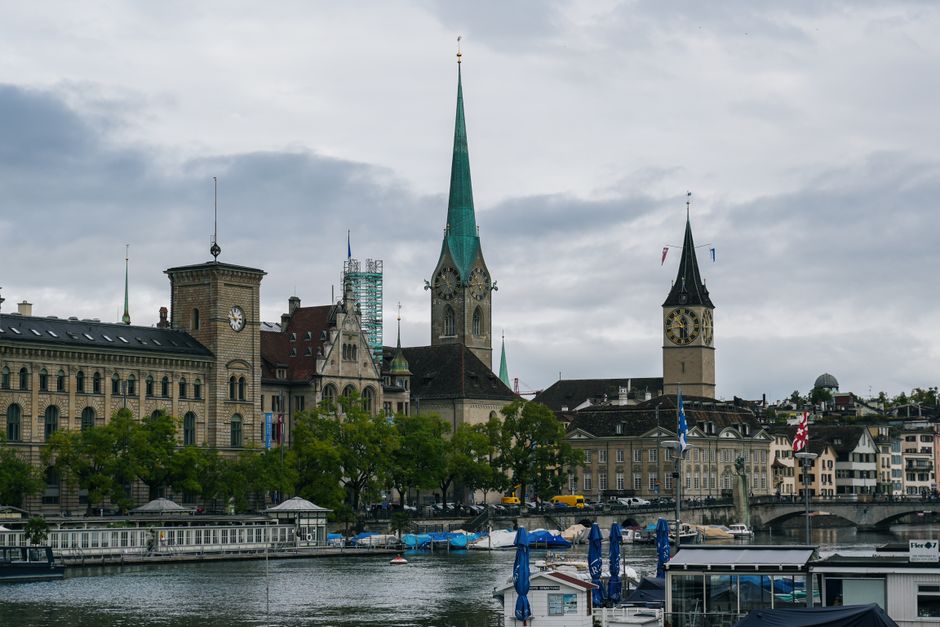
Walking along Geroldstrasse on a Saturday evening, the tension is unmistakable. Craft cocktail bars sit metres from vintage laundromats. A new CHF 3.2 million condominium development rises where a family-run metalworking shop operated for thirty years. Wiedikon, once dismissed as Zurich's grittier sibling, has become the city's most contested neighbourhood—and its residents are running out of time to decide what comes next.
Over the past five years, rents in the south-west district have climbed 34 per cent, according to the cantonal statistical office. A two-bedroom apartment that leased for CHF 1,800 in 2021 now commands CHF 2,400. The transformation has attracted young professionals and investors, but it has also triggered alarm among the 17,000 residents who remember when Wiedikon was genuinely affordable.
The immediate flashpoint centres on the Margarethe Quarter, a seven-hectare industrial zone spanning between Wipkingerstrasse and Schimmelstrasse. The city planning authority must vote by September on a rezoning proposal that would permit mixed-use development—residential towers, retail spaces, and offices. Property developers have already submitted four competing master plans, each promising different mixes of affordable versus market-rate housing.
"This decision will define whether working families can remain here," says the Wiedikon Residents Forum, a coalition of six long-established community organisations. They are demanding a binding commitment that 40 per cent of new units remain affordable for thirty years—significantly above the current city requirement of 25 per cent for fifteen years.
The stakes extend beyond housing. Kulturhaus Palazzo, the neighbourhood's beloved alternative cultural venue on Markthallenstrasse, faces possible displacement when its lease expires in 2027. Meanwhile, the Wiedikon Cooperative Market—a 1970s institution on Langstrasse—is exploring whether a merger with a larger chain can ensure survival amid soaring operational costs.
City officials remain cautiously optimistic. At a June community forum, the planning directorate acknowledged that market pressures are real but insisted that targeted zoning rules and cooperative housing initiatives can manage growth responsibly. They point to the recently completed Frau Müller Siedlung, where 68 per cent of units remain under cooperative management and affordable for households earning under CHF 120,000 annually.
Yet time is short. Property acquisitions are accelerating. Longtime business owners report relentless acquisition offers. The September zoning vote will be pivotal, but community leaders acknowledge that the broader question—whether Zurich remains a city for workers, artists, and families of modest means—extends far beyond Wiedikon's borders and demands decisions now.
This article was compiled by AI from the sources linked above and screened before publishing. See our editorial standards.