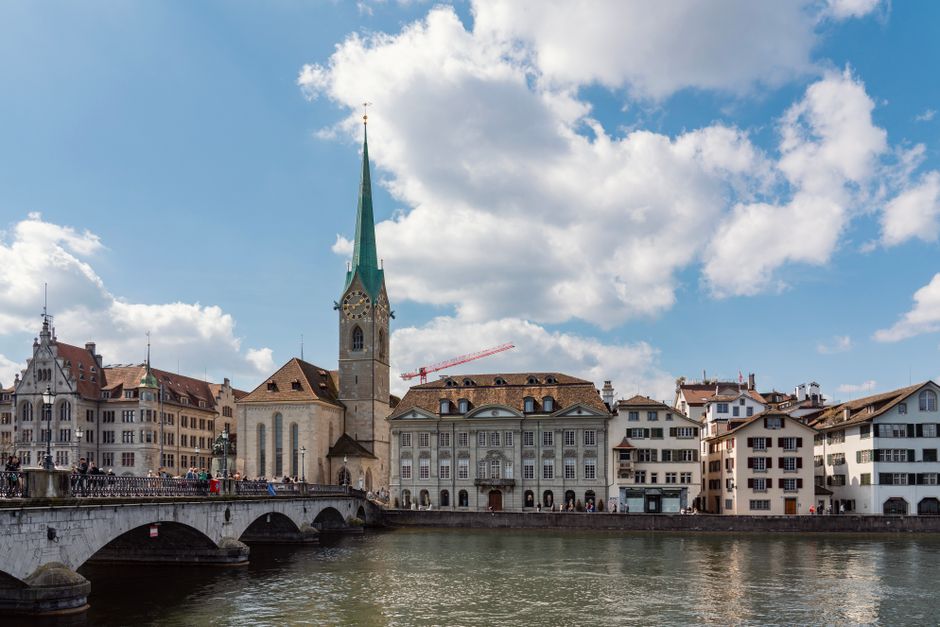
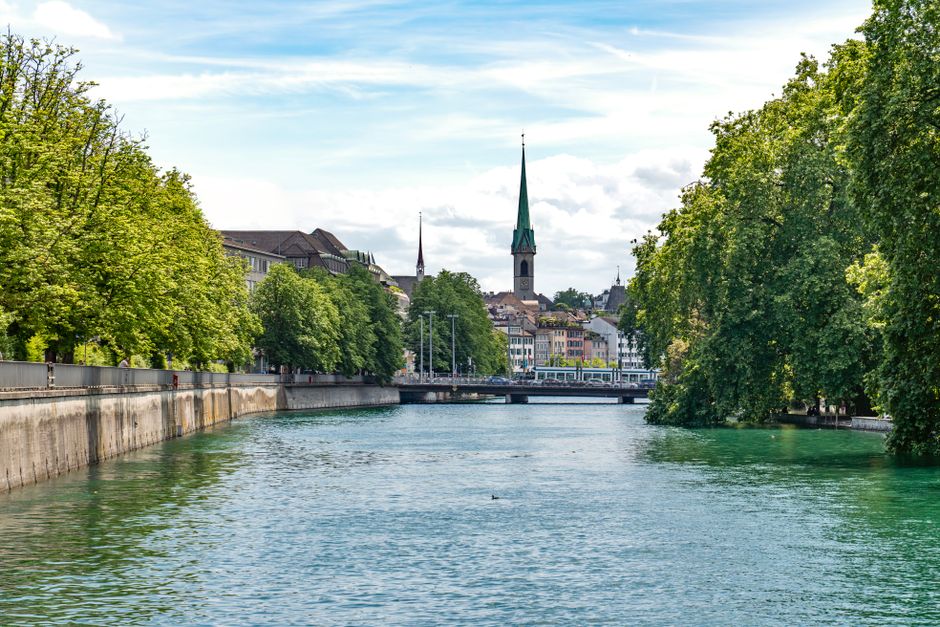
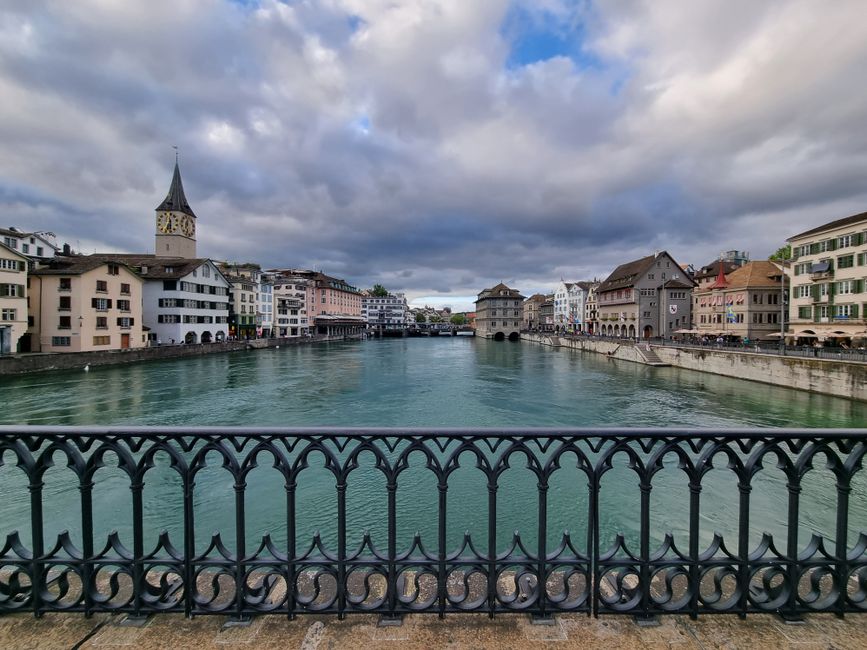
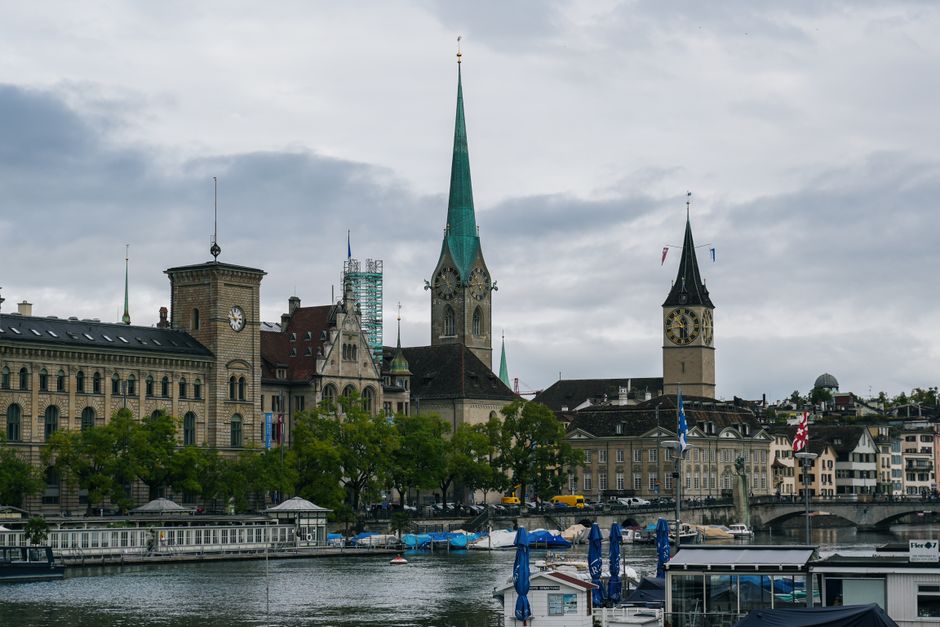
Walking along the Limmat River through the Altstadt, it's easy to see why Zurich consistently ranks among the world's most liveable cities. Yet beneath the picturesque facades and pristine streets lies a more complex environmental reality—one that puts Switzerland's largest city in direct competition with global peers like Copenhagen, Stockholm, and Vancouver.
Zurich's public transport system, operated by the ZVV, carries over 530 million passengers annually, a figure that dwarfs many comparable cities. The integration of trams, buses, and trains has made car ownership optional rather than essential for residents. By contrast, peer cities like Stockholm achieve similar modal splits through newer infrastructure investments, while Vancouver still struggles with car dependency despite rapid transit expansion.
The city's heating network represents another standout achievement. District heating pipes now reach approximately 60,000 buildings, serving roughly 50% of the metropolitan area's heating demand through waste heat recovery and renewable sources. This contrasts sharply with Copenhagen's aggressive 2030 coal phase-out, which relies more heavily on individual building retrofits—a costlier approach for residents and businesses alike.
Yet challenges persist. Zurich's waste management, while comprehensive, generated approximately 1.1 million tonnes annually as of 2024. Recycling rates hover around 50%, competitive with Munich and Basel but trailing leaders like Luxembourg. The real estate sector, centred around districts like Wiedikon and Altstetten, continues grappling with retrofitting older apartment blocks—a slower process than the rapid new-build standards adopted in Stockholm's Hammarby Sjöstad.
The city's newest initiative, the Greencity district development in Waidberg, aims to create a carbon-neutral neighbourhood by 2050. Early results suggest promise, yet comparable projects in Copenhagen and Amsterdam already operate carbon-negative systems. This gap reflects not Zurich's lack of ambition, but the structural challenge of retrofitting an established city rather than building from scratch.
Financial commitment tells part of the story. Zurich invests approximately 120 million CHF annually in climate initiatives—proportionally significant but modest compared to Copenhagen's broader Scandinavian tax base dedicated to sustainability. Private sector engagement remains strong through initiatives at ETH Zurich and the Sustainable Finance Centre near Bahnhofstrasse, yet falls short of the venture capital momentum powering Vancouver's clean-tech startups.
As global cities compete on environmental credentials, Zurich's strength lies not in breakthrough innovation but in systematic implementation. The city's real advantage—and challenge—is proving that measured, incremental progress can ultimately outpace flashier initiatives elsewhere.
This article was compiled by AI from the sources linked above and screened before publishing. See our editorial standards.