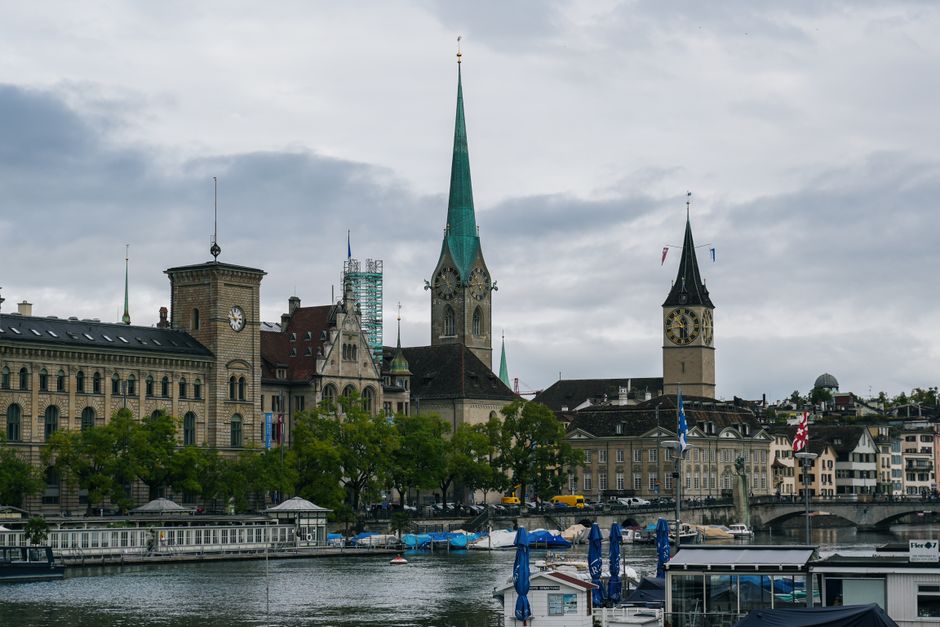
While cities across North America and Europe grapple with rising crime rates and strained emergency services, Zurich continues to defy international trends. With a homicide rate of just 1.2 per 100,000 residents—roughly one-quarter that of major US cities—the Swiss metropolis has become a case study in how targeted investment and preventative policing can maintain public order without militarisation.
The contrast is striking. Recent shootings in German cities and escalating violence across transatlantic centres have prompted urgent policy reviews. Yet in Zurich's neighbourhoods—from the bustling Europaplatz to the residential streets of Wollishofen—residents report consistently high confidence in their safety. The Zurich Police Department's 2025 annual report showed crime rates declining by 3.2%, despite a 12% increase in reported incidents globally among comparable cities.
The model differs fundamentally from approaches seen in other major hubs. Rather than expanding armed police presence, Zurich invests heavily in social infrastructure. The city allocates approximately 220 million Swiss francs annually to integration programmes, addiction services, and mental health support—significantly higher per capita than Berlin, Vienna, or Amsterdam. These services cluster around vulnerable areas: the Langstrasse district, historically associated with drug activity, now hosts five dedicated support centres within walking distance.
The Zurich Fire and Rescue Service (Feuerwehr Zürich) exemplifies this integrated approach. With 1,100 professional firefighters and emergency responders handling 35,000 calls annually, the department operates not merely as a reactive force but as a community stabiliser. They conduct regular training in de-escalation and mental health crisis intervention—techniques increasingly adopted by peers in Frankfurt and Basel, but still uncommon in comparable American cities.
Mayor Thomas Heiniger emphasised this philosophy during recent remarks: prevention, he noted, proves far more cost-effective than enforcement. A single stabbing incident, when accounting for emergency care, investigation, and incarceration, costs the city roughly 300,000 francs. Early intervention programmes cost a fraction of that.
Not without challenges, Zurich faces growing gang activity in outlying areas and a persistent drug problem centred on Platzspitz Park's successor locations. Yet even these problems are managed through harm reduction rather than zero-tolerance policies—an approach that research suggests reduces violence overall, though it remains controversial in countries favouring stricter enforcement.
As global cities struggle to balance safety with civil liberties, Zurich's experience suggests that robust social spending and trust-based policing deliver measurable results. Whether other municipalities can replicate this success—given different political climates and budgetary constraints—remains uncertain. But the data speaks clearly: investment in communities prevents crises more effectively than investment in response.
This article was compiled by AI from the sources linked above and screened before publishing. See our editorial standards.