How Zurich Became Europe's Most Diverse City—And What Led Us Here
Decades of economic opportunity, political upheaval abroad, and shifting Swiss attitudes have transformed the city from a homogeneous banking hub into a global crossroads.
Decades of economic opportunity, political upheaval abroad, and shifting Swiss attitudes have transformed the city from a homogeneous banking hub into a global crossroads.
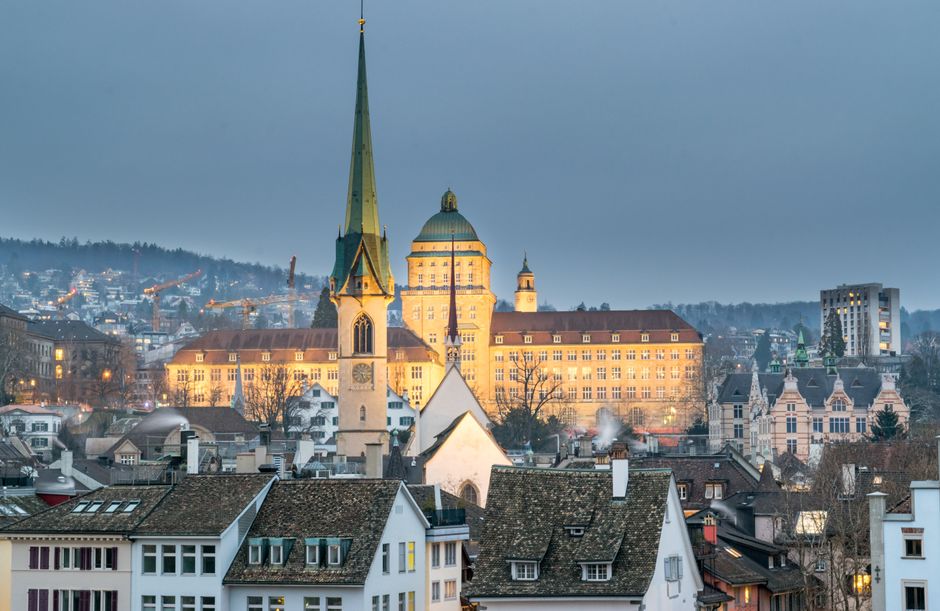
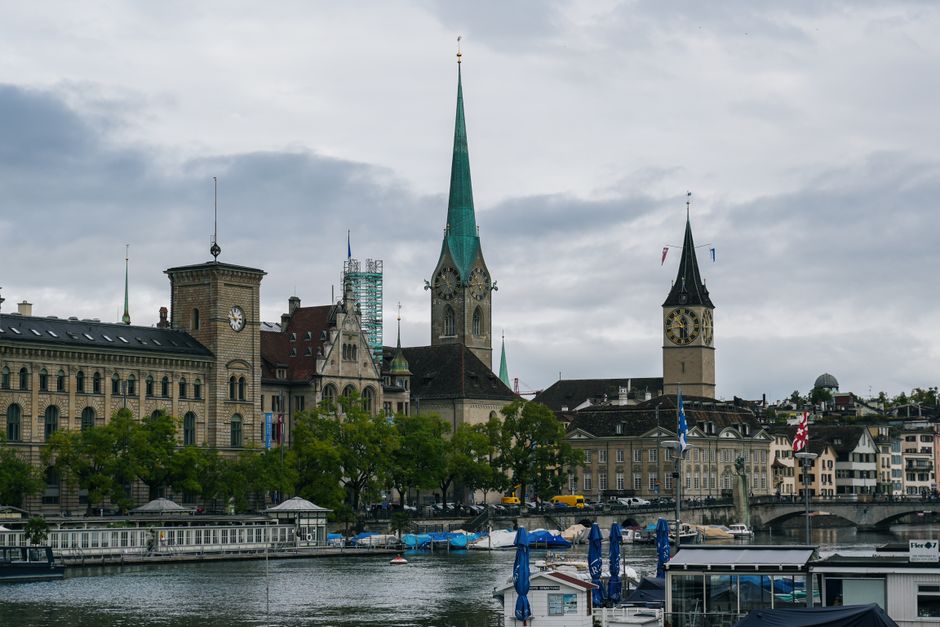
Walk through the Europaplatz district on any given afternoon and you'll hear a dozen languages before reaching the tram stop. Turkish bakeries sit alongside Vietnamese noodle shops. The Mosque im Werd, opened in 1963, stands just minutes from the reformed Fraumünster Church. This Zurich—multicultural, bustling, occasionally contentious—didn't emerge overnight. It is the product of seven decades of economic magnetism, geopolitical upheaval, and gradual shifts in Swiss self-perception.
The first wave arrived in the 1950s and 1960s, when Switzerland's post-war economic boom created an insatiable appetite for labour. Guest workers, primarily from Italy and Spain, were recruited to fill gaps in construction and manufacturing. By the 1970s, as those industries stabilised, immigration patterns shifted. Political instability in Latin America, the Middle East, and the Balkans brought asylum seekers and refugees. Today, roughly 36 per cent of Zurich's population of 420,000 holds foreign citizenship—among the highest proportions in Switzerland.
The Kreis 5 and Kreis 6 neighbourhoods, once dismissed as working-class districts, have become magnets for immigrant communities seeking affordable housing and established support networks. The Europaallee development, reimagined from industrial wasteland into a mixed-use quarter, symbolises this evolution. Meanwhile, organisations like the Zurich Integration Centre, located near the Hauptbahnhof, have quietly become essential infrastructure for newcomers navigating language barriers, employment registration, and housing searches.
Yet this transformation has not been frictionless. The 1990s saw rising anti-immigration sentiment, crystallised around concerns about housing costs, labour market competition, and cultural integration. In 2004, the city narrowly voted to restrict immigration—a decision later reversed as evidence emerged that foreign-born residents contributed significantly to innovation and entrepreneurship. Today, more than half of Zurich's startup founders are migrants or children of migrants.
The economic incentive remains powerful. Zurich's banking sector, pharmaceutical companies, and tech firms actively recruit internationally. A junior software engineer at a firm along the Limmatquai might earn 95,000 francs annually—far exceeding wages in most origin countries. This disparity ensures a steady migration stream, even as housing costs spiral (a one-bedroom apartment in Zurich costs roughly 2,000 francs monthly).
Recent global crises—Venezuelan collapse, ongoing Middle Eastern instability, Pakistani-Afghan border tensions—continue reshaping the city's demographic map. The International Organization for Migration estimates that Zurich will remain among Europe's primary destinations for migrants seeking stability and economic opportunity. Understanding this history is essential for grappling with the city's future: can it accommodate growth while preserving cohesion and affordability?
This article was compiled by AI from the sources linked above and screened before publishing. See our editorial standards.
How does this story make you feel?
Spread the word
About this article
Published by The Daily Zurich
Daily brief
Free, in your inbox before 7am. Weekdays.
More in News