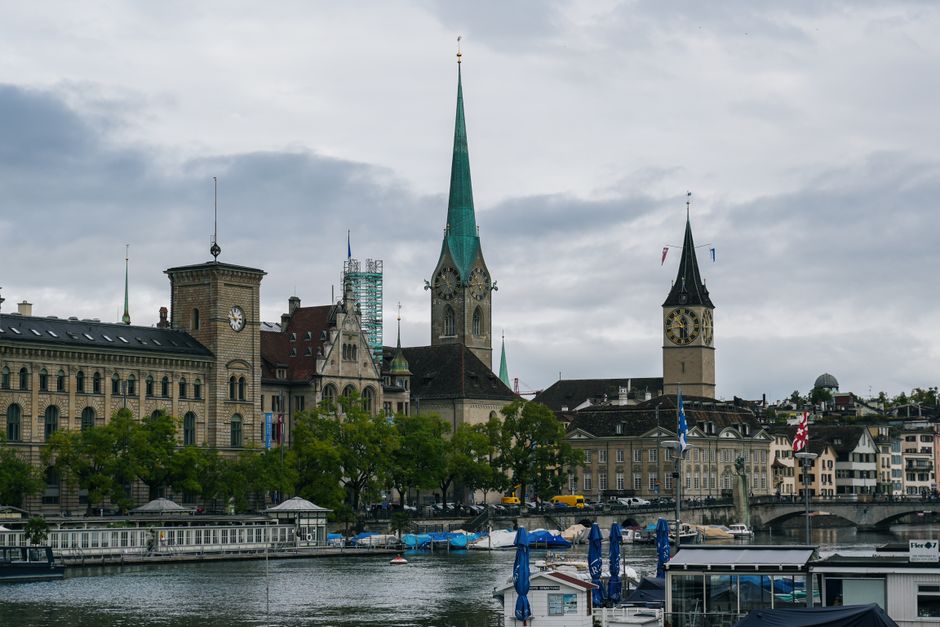
Zurich City Council Faces Five Critical Decisions Before Summer Recess
From affordable housing on the Wiedikon waterfront to transit delays on the Üetliberg line, the coming weeks will reshape the city's infrastructure and social policy landscape.
From affordable housing on the Wiedikon waterfront to transit delays on the Üetliberg line, the coming weeks will reshape the city's infrastructure and social policy landscape.

As Zurich City Council enters its final sitting before the summer break, five major decisions loom that will define the city's trajectory through 2027. The deliberations underscore growing tensions between development ambitions, affordability concerns, and the demands of a metropolitan area straining under rapid growth.
The most contentious file remains the Wiedikon lakefront redevelopment. The council must vote on whether to greenlight a mixed-use project that would convert 2.3 hectares of industrial land into residential units, with 35 percent designated as affordable housing capped at CHF 2,200 monthly for three-room apartments. Environmental groups argue the project sacrifices wetland habitat, while housing advocates counter that Zurich's median rent has climbed 18 percent since 2020, pricing out young families.
Meanwhile, transport planners are bracing for a contentious debate over delays to the Üetliberg S-Bahn modernisation. Originally scheduled for completion in 2028, cost overruns have pushed the timeline to 2031—a bitter pill for commuters already enduring capacity constraints. The council must decide whether to accelerate funding or accept extended service disruptions on one of the city's busiest regional lines.
A third flashpoint involves the proposed expansion of the Kunsthaus collection facility in Aussersihl. The museum's request for CHF 45 million in public funding has triggered a broader conversation about arts spending during a period of municipal fiscal tightness. The culture department argues the investment is critical for safeguarding Swiss modernist works; the finance delegation warns of opportunity costs in education and social services.
The council also faces a decision on stricter short-term rental regulations in residential zones. Current rules permit landlords to rent apartments for fewer than 30 days per year, but a grassroots coalition argues this destabilises neighbourhoods and removes stock from the long-term market. A regulatory tightening could eliminate thousands of listings, raising questions about tourist economy impact and enforcement capacity.
Finally, the council must chart a course on district-level participatory budgeting. Five Zurich districts are piloting schemes allowing residents to vote directly on local spending priorities—a democratic experiment that has yielded surprising results, from funding for youth centres in Altstetten to green corridor projects on Langstrasse. The question now is whether to expand the model citywide or treat it as a limited trial.
Council members have signalled these votes will extend sessions into early July. The outcomes will reach public consultation phases by autumn, when residents across Zurich's twelve districts will have their say before final implementation.
This article was compiled by AI from the sources linked above and screened before publishing. See our editorial standards.
How does this story make you feel?
Spread the word
About this article
Published by The Daily Zurich
Daily brief
Free, in your inbox before 7am. Weekdays.
More in News