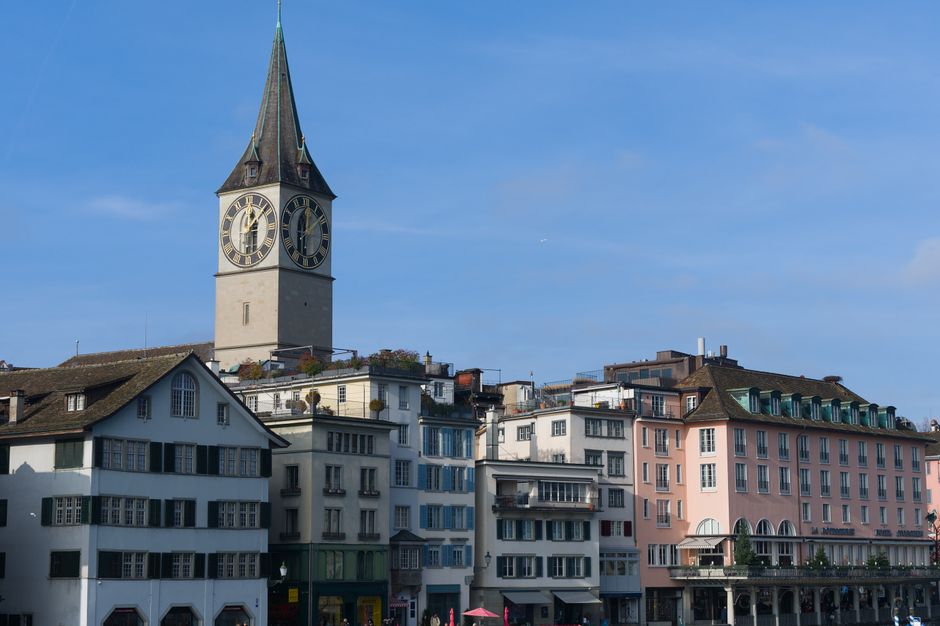
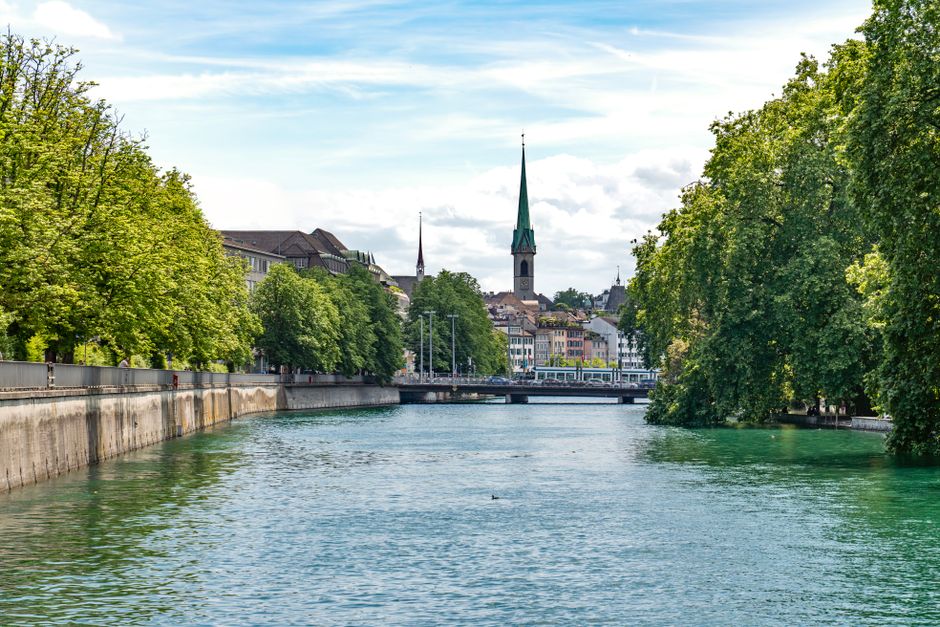
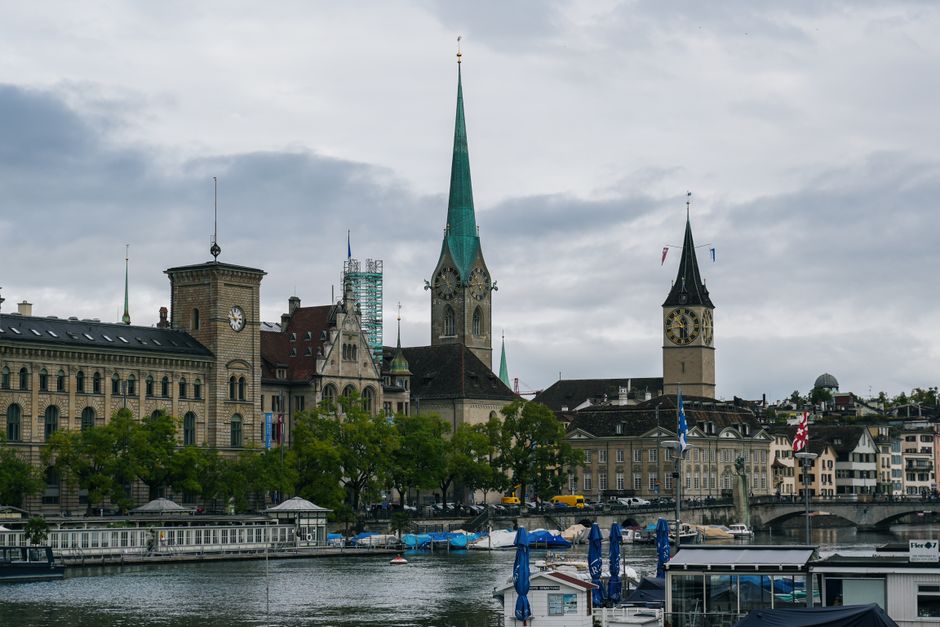
As Venezuela's humanitarian crisis sends tremors through Latin American diaspora communities worldwide, and Pakistan's latest military incursion destabilizes Afghan refugee flows, global cities face mounting pressure to balance integration with resource constraints. Zurich, home to roughly 28% foreign-born residents, is increasingly held up as a case study—though not always a flattering one.
The contrast is striking. While Berlin has embraced rapid integration through subsidized housing in districts like Kreuzberg and Friedrichshain, Zurich's notoriously tight rental market keeps newcomers circulating through transitional neighbourhoods in Aussersihl and Wiedikon. A one-bedroom flat in central Zurich averages 2,400 francs monthly—nearly double Berlin's 850 euros. Toronto, by comparison, has weaponized its points-based immigration system to attract high-skilled migrants, creating stratified communities but predictable settlement patterns.
Zurich's approach remains fundamentally different. The cantonal integration office oversees a decentralized model where municipalities manage their own settlement policies. This has produced pockets of genuine success: the Quartiertreff centers in Altstetten and Schwamendingen offer free language courses and childcare subsidies that rival Scandinavian standards. Yet critics argue the system creates postcode lotteries where your zip code determines your access to support.
"We're neither as chaotic as Berlin nor as strategic as Toronto," says the director of a major integration NGO in Zurich, speaking on condition of anonymity due to political sensitivities around migration. "We're methodical, perhaps too much so."
The numbers tell an interesting story. Zurich's unemployment rate for foreign nationals hovers around 6.2%—respectable by European standards but higher than Switzerland's overall 3.1%. Dubai, meanwhile, has essentially outsourced integration entirely, maintaining a transient workforce model that produces neither long-term settlement nor meaningful civic participation. It's efficient for employers, dystopian for workers.
Where Zurich genuinely leads is institutional infrastructure. The Zürich Welcome Centre in Wiedikon provides job placement matching with 73% success rates within six months—outperforming similar programs in Berlin and Toronto. Its trilingual staff navigates Swiss bureaucracy that confounds even native speakers.
Yet housing remains the elephant in every room. While Toronto's housing crisis mirrors Zurich's, Berlin's subsidized housing stock—though shrinking—still offers breathing room. Zurich's solution has been incremental: modest zoning changes in peripheral areas like Hongg and Witikon, new cooperative housing models through organizations like Baugenossenschaft Zurich.
As global migration patterns intensify, Zurich faces a reckoning. Its model works for educated professionals—the city attracts thousands annually. For vulnerable populations fleeing catastrophe, the Swiss city's buttoned-up efficiency sometimes feels like exclusion dressed in bureaucratic clothing.
This article was compiled by AI from the sources linked above and screened before publishing. See our editorial standards.