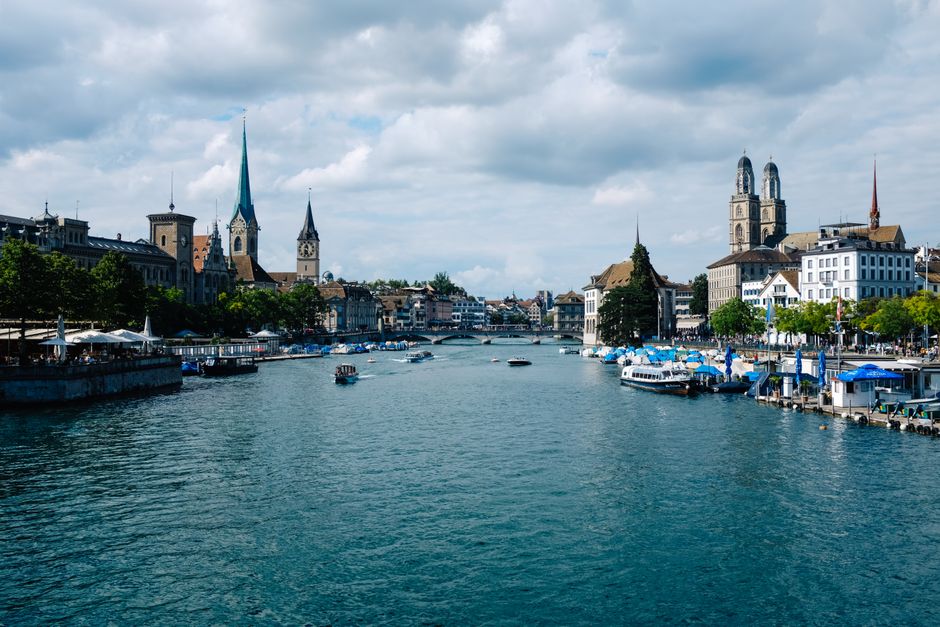
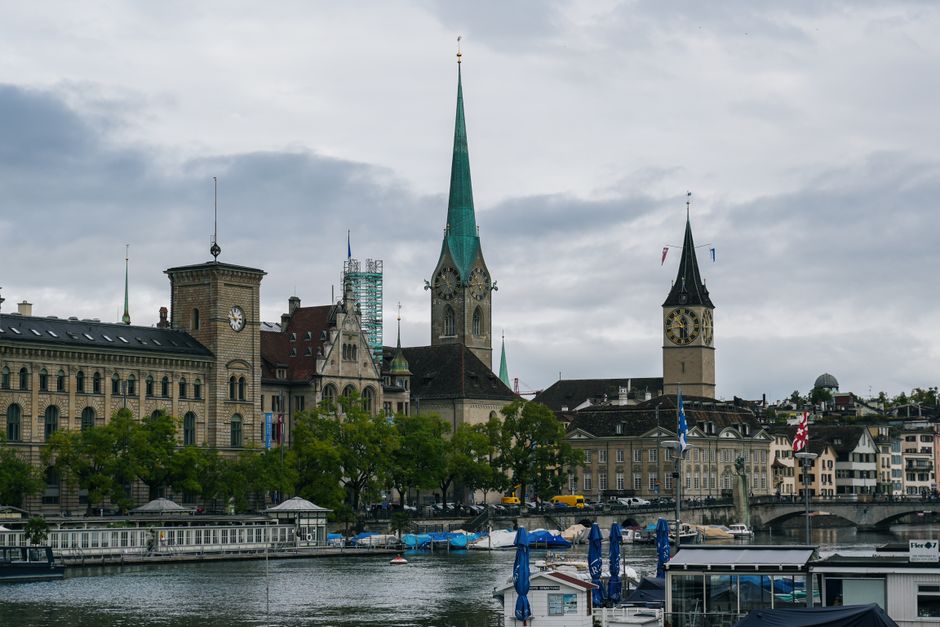
Walk past the University of Zurich's main campus on Rämistrasse, and you'll see the same Gothic spires that have stood for nearly two centuries. But the finances powering that institution have shifted dramatically. Today, international students pay CHF 3,800 annually—more than triple the rate from just a decade ago—while Swiss residents face similarly steep increases, catching the attention of education ministers across the country.
The transformation didn't happen overnight. In 2015, canton Zurich allocated 28% of its budget to higher education. By 2024, that figure had dropped to 19%, according to the cantonal statistics office. Meanwhile, student numbers in the ETH Zurich system and UZH have grown by roughly 12,000 across both institutions since 2010, straining resources further.
The pressure points are visible in Zurich's academic neighbourhoods. ETH Zurich's Hönggerberg campus, which expanded significantly between 2018 and 2023, faced construction cost overruns exceeding CHF 200 million. The Irchel Park area near UZH saw similar pressures, with aging infrastructure requiring reinvestment at precisely the moment canton budgets tightened. Political reluctance to raise taxes—a persistent theme in Zurich's increasingly affluent suburbs—left universities to bridge the gap through fee increases and cost-cutting measures.
The housing crisis compounded matters. Student accommodation near Zurich's city centre costs between CHF 600 and 900 monthly, forcing many to live further afield in Winterthur or Zug, reshaping campus life. University-managed housing stocks, once substantial, have been slowly privatised or sold off to meet budget constraints.
Federal policy amplified these local trends. In 2016, the Higher Education Act shifted more responsibility to cantons, just as national research funding began prioritising applied sciences over foundational studies. Universities that had long operated as relatively well-funded public goods increasingly behaved like market-driven institutions competing for grants and corporate partnerships.
The results are now apparent. ETH Zurich ranks among Europe's most expensive universities for non-residents. UZH, historically the people's university on the Limmat, has repositioned itself accordingly. Graduate programmes in business, engineering, and data science now carry premium pricing. Meanwhile, humanities programmes have seen relative decline in investment.
Education advocates and cantonal politicians alike have begun questioning whether Zurich's model remains sustainable—or defensible. The question framing recent budget debates isn't whether universities need money, but whether public institutions can survive in an era when governments treat them increasingly as cost centres rather than public goods.
This article was compiled by AI from the sources linked above and screened before publishing. See our editorial standards.