Zurich's Housing Crossroads: Three Critical Decisions Facing the City in 2026-2027
As affordability pressures mount and development sites dwindle, City Council must choose between density, preservation, and market forces.
As affordability pressures mount and development sites dwindle, City Council must choose between density, preservation, and market forces.
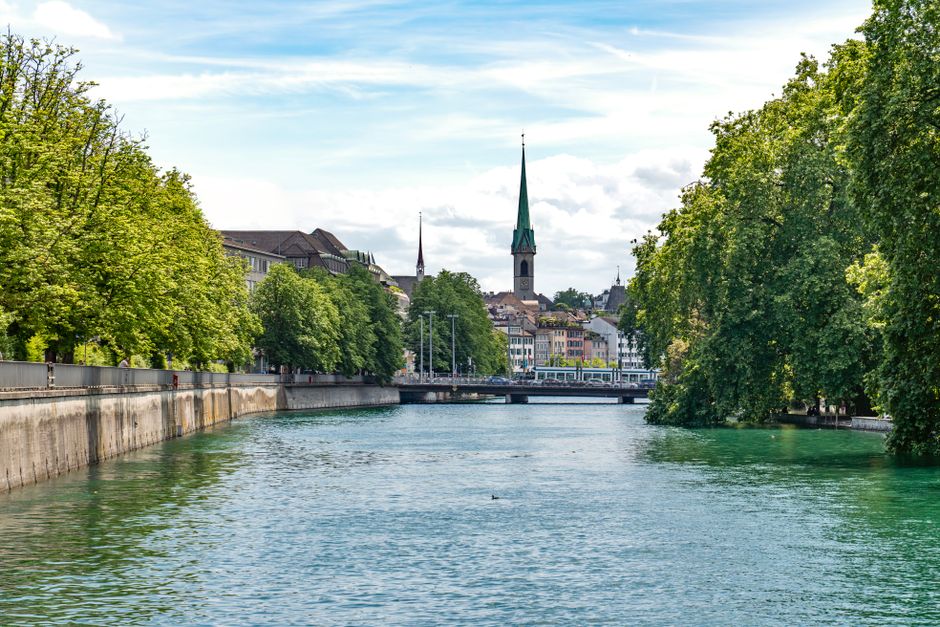
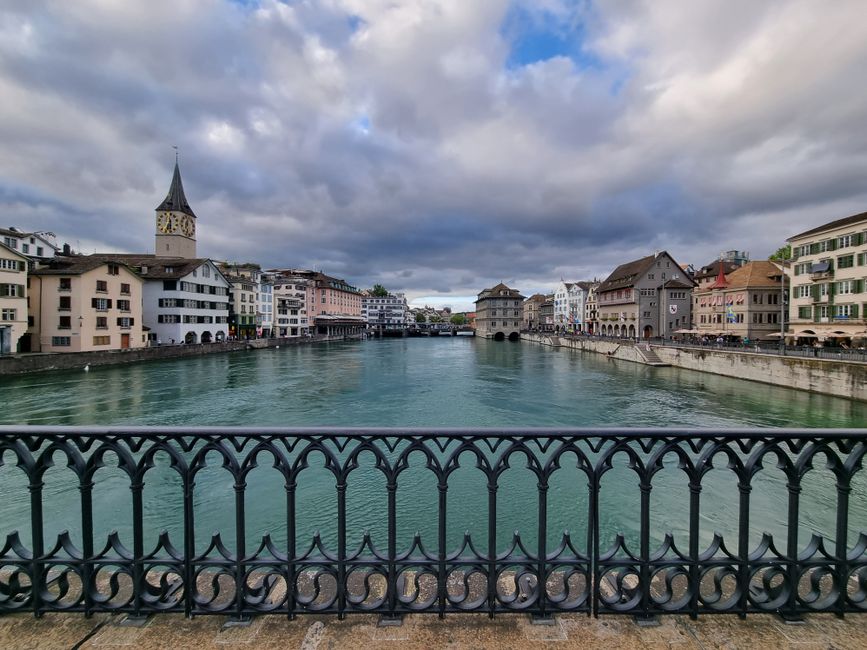
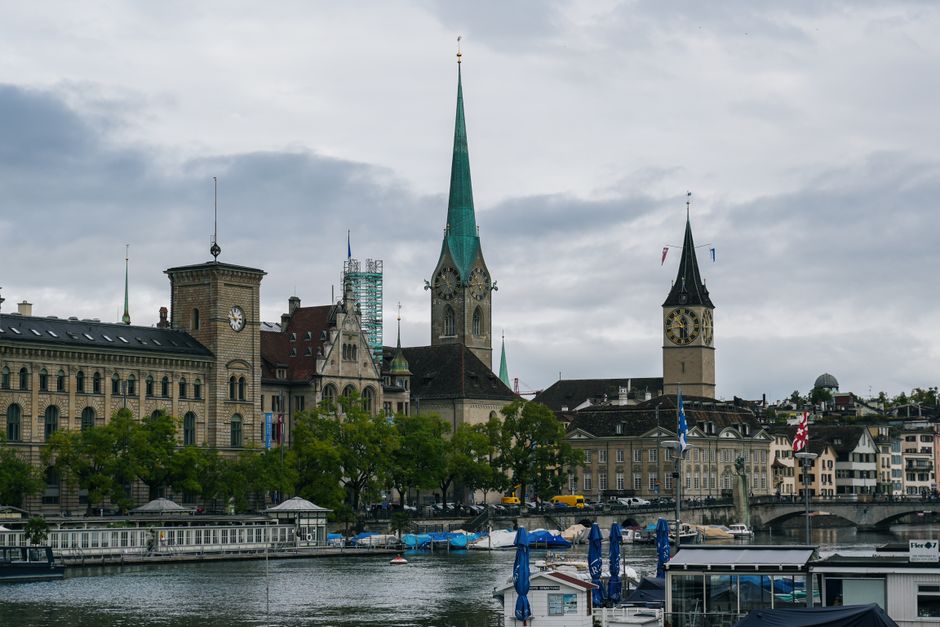
Zurich stands at a pivotal moment in its urban evolution. With median apartment rents exceeding 2,800 francs monthly and ownership prices hovering near 1.2 million francs for a modest two-bedroom flat in the city centre, housing policy has become the defining issue shaping the city's future. Yet the path forward remains contested, with three major decisions looming that will determine whether Zurich remains accessible to new residents or calcifies into a city of inherited wealth.
The most immediate flashpoint concerns the Europaallee development zone in Zurich West. The 72-hectare site, formerly industrial land along the Limmat, represents one of the city's last significant opportunities for large-scale residential construction. City planners envision 5,000 new apartments here by 2035, but negotiations between the municipality, Canton, and private developers over affordability quotas are stalling. The question facing Council in autumn: should Zurich mandate that 30 percent of new units remain price-controlled, or accept market-rate development with only voluntary social housing components?
Parallel to Europaallee sits an equally contentious debate over neighbourhood densification. Districts like Wiedikon and Aussersihl have seen grassroots resistance to mid-rise conversions and infill projects. The Canton's new planning guidelines allow for increased heights and floor-area ratios, but implementation authority rests with the city. Council must decide whether to streamline approval processes for qualifying projects—risking resident backlash—or maintain current restrictions and accept continued housing shortages.
The third decision concerns the Toni-Areal in Zurich West, a heritage-protected former chocolate factory slated for mixed-use redevelopment. Preservationists demand conservation of industrial buildings; developers argue that retrofitting pre-1920s structures for modern residential use is economically unviable. The December planning referendum will effectively pit cultural heritage against housing supply, with implications extending far beyond this single site.
These decisions cannot be postponed. Zurich's working-age population is stagnating as young professionals migrate to Bern, Basle, and Lausanne in search of affordable housing. The city's reputation as a global financial centre depends on attracting talent. Meanwhile, surrounding municipalities in the Zurich metropolitan area are capturing new residents by offering cheaper land and faster approvals.
City Councillor Andrea Hauri's office has indicated that recommendations will come to the full Council by September. Zurich's housing future—whether it expands inclusively or contracts into exclusivity—hangs on how those three decisions fall.
This article was compiled by AI from the sources linked above and screened before publishing. See our editorial standards.
How does this story make you feel?
Spread the word
About this article
Published by The Daily Zurich
Daily brief
Free, in your inbox before 7am. Weekdays.
More in News