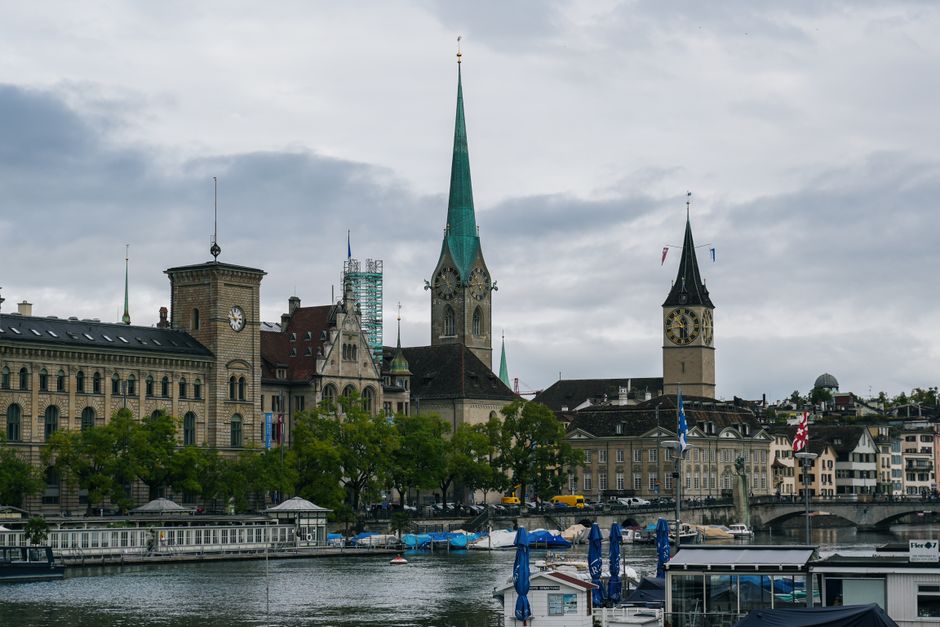
City officials and housing experts gathered last week at the Zurich City Hall to discuss what administration representatives are calling an "unprecedented affordability crisis" affecting neighbourhoods across the canton. The candid assessment marks a significant escalation in public concern over housing costs, which have risen by an estimated 23% since 2020 in traditionally affordable areas like Wiedikon and Aussersihl.
"We are reaching a tipping point," said a spokesperson for the Zurich Department of City Development during a public consultation on Tuesday evening, noting that median rental prices in Wiedikon have climbed to approximately 2,800 francs monthly for a two-bedroom apartment—a figure that has sparked alarm among community advocates and municipal leaders alike.
Experts from the University of Zurich's Institute for Urban Studies have documented the displacement patterns affecting longtime residents. Their research indicates that approximately 12% of households in districts bordering the Limmat Valley have relocated outward toward Dietikon and other suburban areas over the past four years, driven primarily by rent increases. "What we're witnessing is not organic neighbourhood evolution," the institute's director observed in prepared remarks, "but systematic displacement of established communities."
The Aussersihl community centre, located on Kanzleistrasse, has become an informal hub for residents concerned about neighbourhood transformation. Staff members there report a 40% increase in inquiries about tenant rights and housing assistance programs since January 2025. Local councillors representing the district have called for stronger rent-control measures and increased investment in municipal housing stock, which currently comprises only 8% of total residential units—well below the European average of 15%.
Housing advocates emphasise that the crisis extends beyond rental affordability. Purchase prices for modest apartments in central Zurich neighbourhoods now regularly exceed 1.2 million francs, effectively excluding middle-income families from property ownership within city limits. "Young families, teachers, healthcare workers—the professionals who keep our city functioning—can no longer afford to live here," warned representatives from the Mieterverband tenant union during June's housing policy forum.
The city administration has pledged to accelerate development of affordable housing projects, particularly in the Altstetten and Schwamendingen districts, though officials acknowledge that construction timelines and zoning restrictions limit rapid intervention. Meanwhile, community organisations continue calling for more aggressive intervention as summer approaches and the annual rental season intensifies pressure on vulnerable households across Zurich's diverse neighbourhoods.
This article was compiled by AI from the sources linked above and screened before publishing. See our editorial standards.